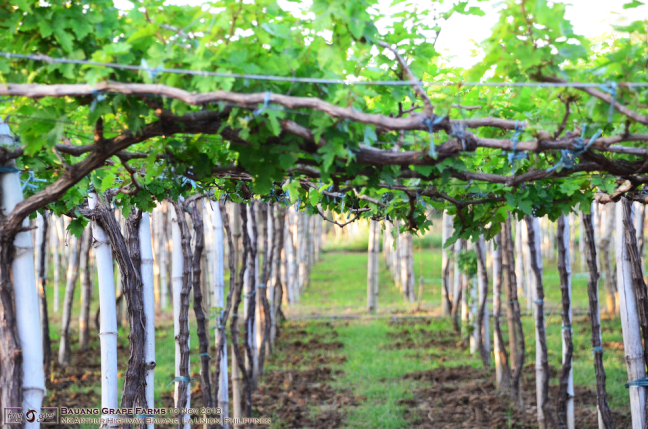
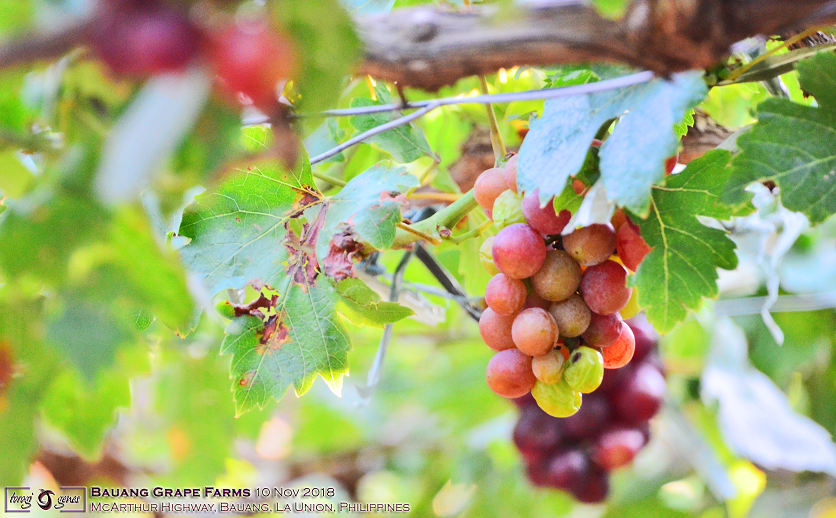
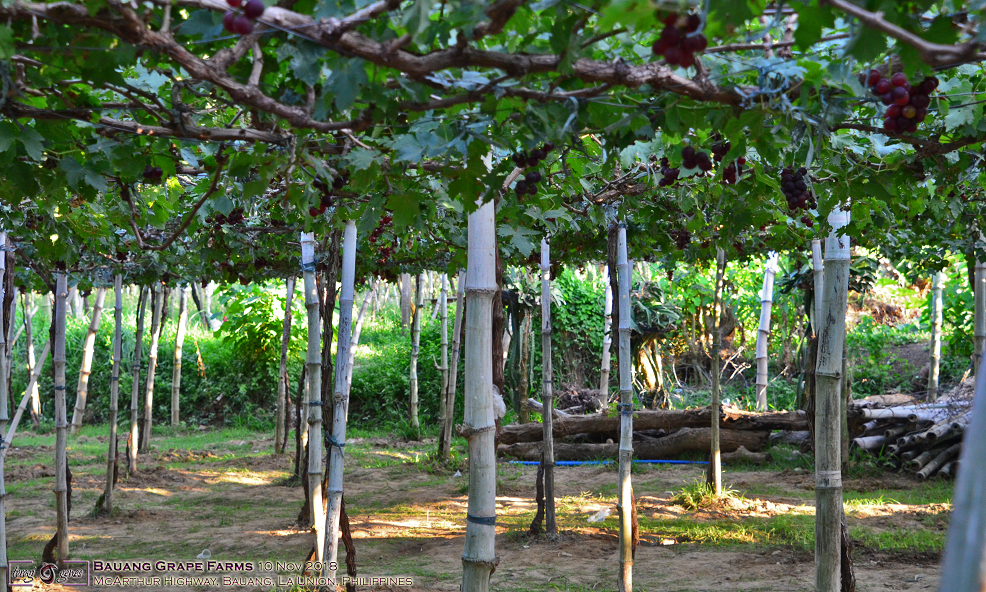
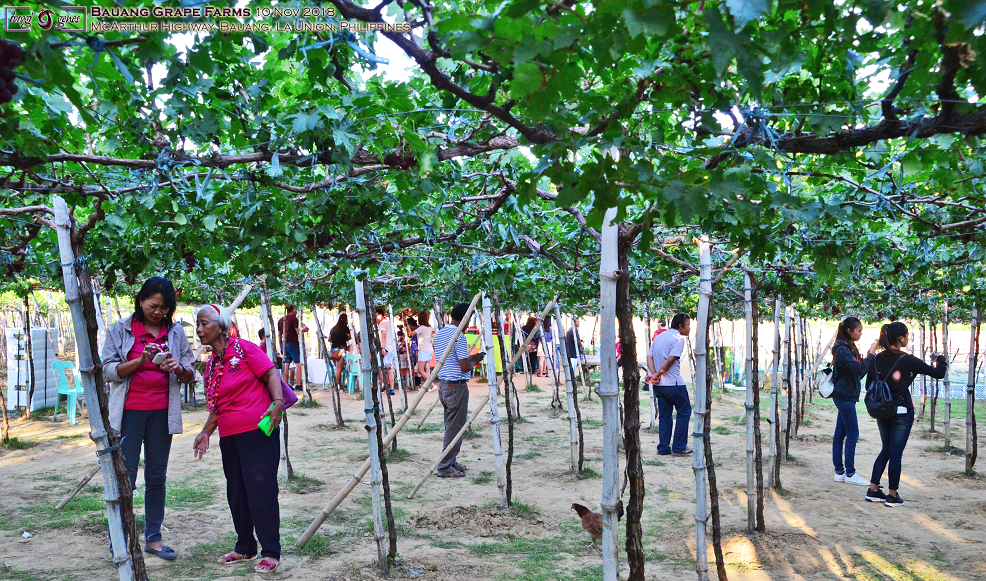
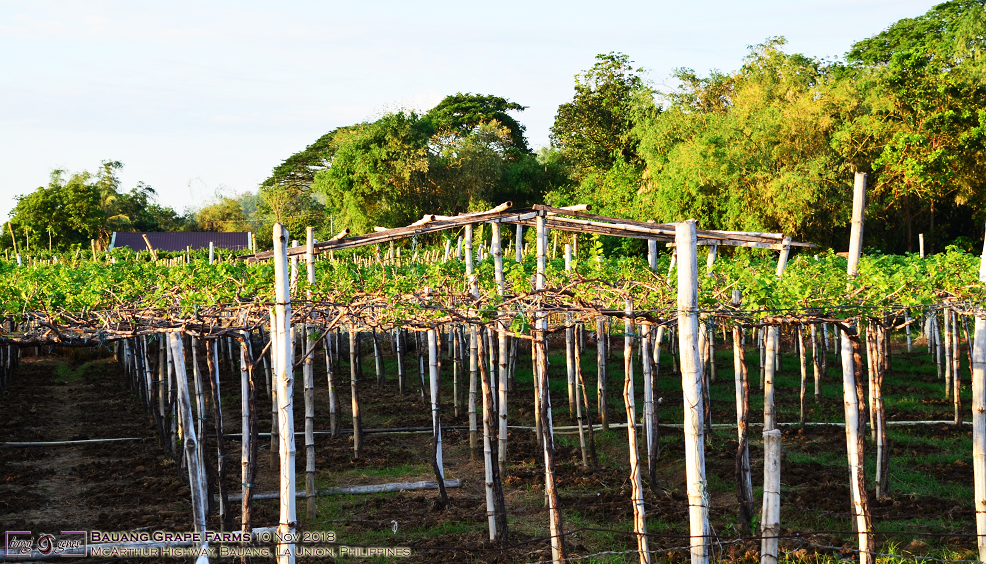
Bauang, La Union is living up to its name as the fruit basket of the north. In fact, grape farming [yup, we have vineyards in the country], takes the lead in agri-industry in the municipality. With decades of experience in grape farming, Bauang vineyard owners are now maximizing it to include grape picking to the delights of the visitors.
Location
Address: Bauang, La Union, Philippines
Map:
Dubbed as the ‘fruit basket of the north’, Bauang has leveled up their game with their vineyards. For years, this humble seaside municipality have been producing dragon fruits, papaya, guavas and grapes. Of these, strolling under the grape vines and picking fruits looks more appealing to tourists.
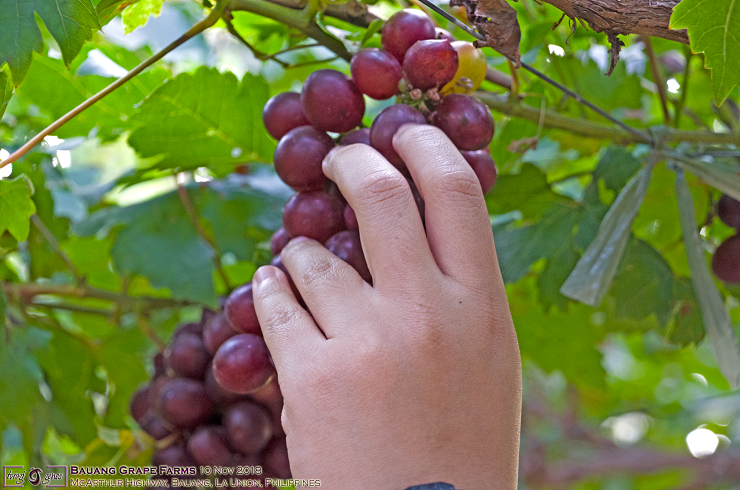
Grapes picking has brought back business in Bauang. Visitors do not mind paying for more for the grapes if they picked it themselves from the vine.
Contrary to common belief that we only import grapes, this municipality in the North do have several vineyards. Accordingly, Bauang had been the original home of grape farmers and had been popular among grape producing towns in the country since the 1970s (1).
There are several surviving vineyards in the municipality, some are new. Googling “bauang + grape + farms” would return your query Gapuz Grapes Farm, Lomboy Grapes Farm, Manguerra Grapes Farm, Calica Grapes Farm, Gapuz/Ancheta/Salino Grapes Farm, Danny Acheta Grapes Farm, Lombor Farms Resort, Acosta Grapes Farm, Orpillano Abando Grapes Farm, Cleorpilla Grapes Farm, and others.
Vineyards and farming techniques in Bauang are mostly handed by generations.
Learning from their strawberry farmer counterparts in La Trinidad, Benguet, grapes farm owners in Bauang opened their vineyards to tourists who want to enjoy picking fruits (2).
Accordingly, grape vine cuttings were taken from Cebu which started the early vineyards in the town of La Union.
The best time to go for grapes picking in La Union is during the dry season, otherwise known as summer especially towards the end of March to May.Grape farms in Bauang are just a walk away from the national highway. However, there are tricycles and single motors for hire in junctions around the area.
Other Notable Places Near Bauang
There are a lot of hotels and resorts nearby if you want to spend more time and see nearby attractions in La Union. Surfing is quite popular in Bauang as well as in San Juan and it is an interesting activity to try.
You can also ride a jeep to San Fernando City and eat the best shaved ice in Halo-Halo de Iloko then continue up north and see Bahay na Bato in Luna. Further towards the Cordillera range, taking a dip in the fresh water of Tangadan Falls in San Gabriel is also feasible within a day.
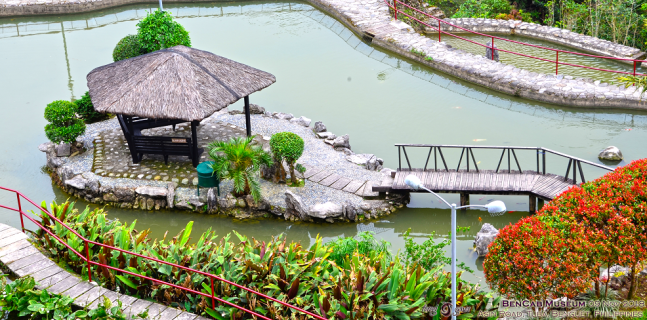
BenCab Museum, located in Tuba, Benguet, showcases the works of Benedicto Reyes Cabrera and other artists, different galleries, exhibitions, and has an outside farm and garden. This house of art is the most popular museum nearest Baguio City.
Location
Address: Km. 6 Asin Road, Tadiangan, Tuba, Benguet, Philippines
Coordinates: 16.4107° N, 120.5504° E
Map
Business Hours
Tuesdays to Sundays 9:00am to 6:00pm (last entry at 5:30pm)
Closed Mondays, Christmas day and New Year’s day
How to Get There
Take a jeepney bound to Asin Road for a meager amount.
You can hail a taxi but for a more expensive fare.
Driving your own car is possible. Just follow available satellite navigators.
BenCab Museum, located in Tuba, Benguet, showcases the works of Benedicto Reyes Cabrera and other artists, different galleries, exhibitions, and has an outside farm and garden. This house of art is the most popular museum nearest Baguio City.
The BenCab Museum, a 15-minute drive away from Baguio City, houses the works of Benedicto Reyes Cabrera, a conferred National Artist for Visual Arts. Contrary to the common notion, it is located in Tuba, Benguet, a neighboring municipality of Baguio City. Also, the BenCab Museum houses the permanent collection of Philippine National Artist Benedicto ReyesCabrera in several galleries (1).
Like other private museum, it also has an admission fee. General admission costs Php150.00 while students, PWD and senior citizens need to pay Php100.00 after discount, provided that they present a valid ID (school ID, PWD card, senior citizen ID). They also have special rates for organized group tours with minimum of 30 pax. Outside the museum, guest can also have an Eco-trail tour.
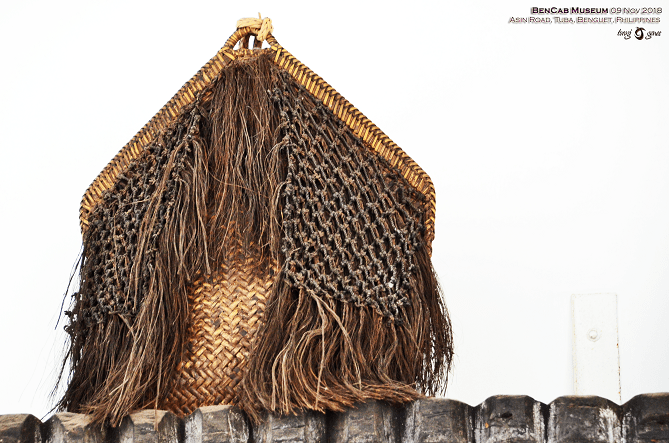
Some of my favorites are depicted in the following images.
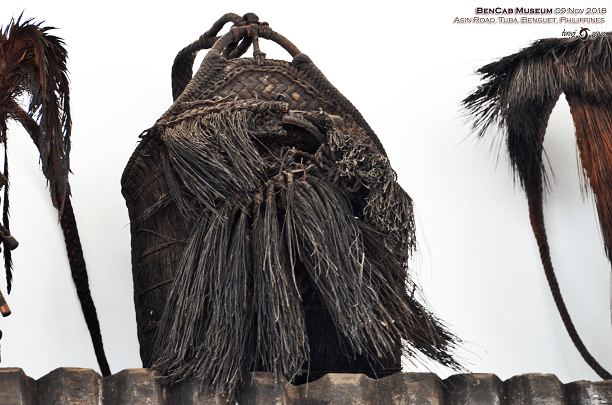
Pasiking are woven bamboo or rattan backpacks in the Cordillera.
They say that a work of art evokes emotions from the viewers. Of the paintings in the museum, these three had the most impact in me.
This standing male figure representing a rice deity (bulul) from the Ifugao people of northern Luzon Island in the Philippines is an outstanding and highly important expression of the foremost tradition of anthropomorphic sculpture in the northern Philippines (2).
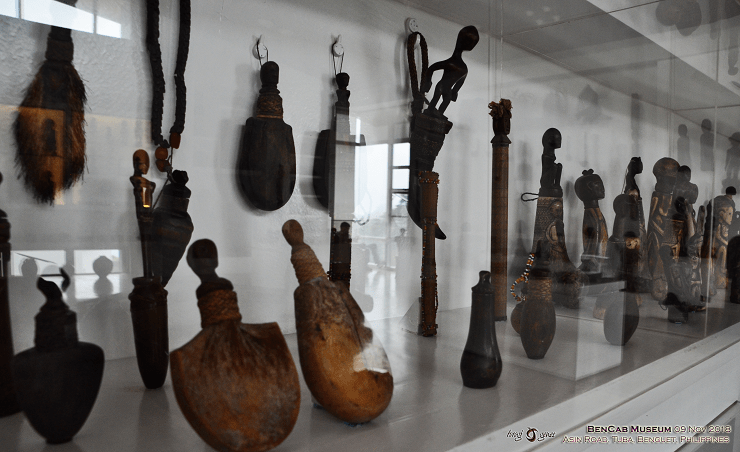
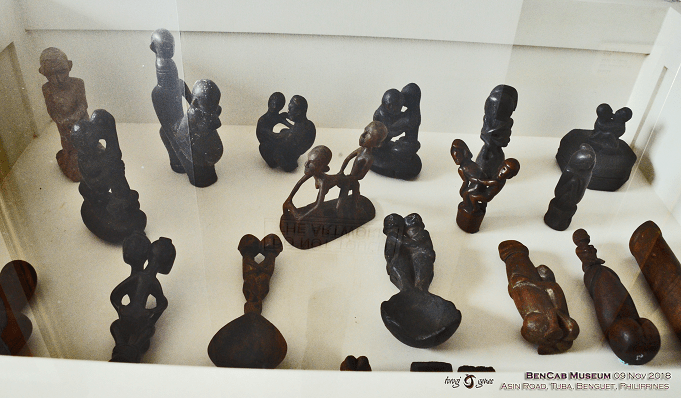
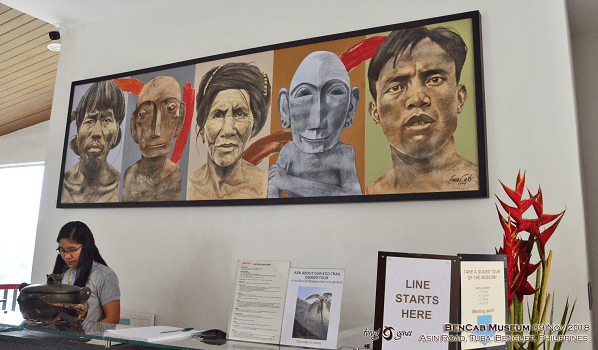
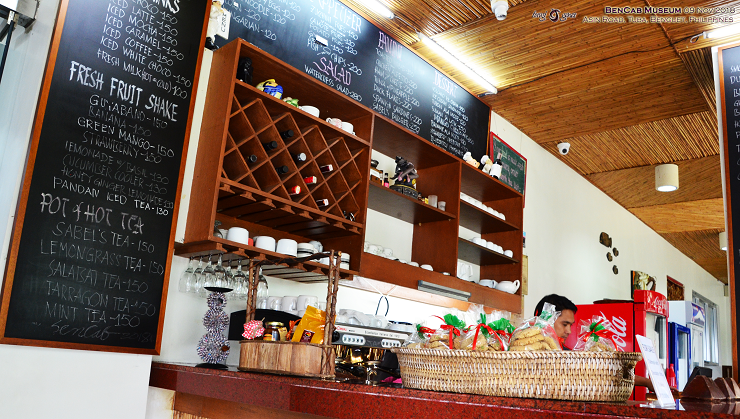
Carved wooden implements (left and center) and carved figures in Erotica Gallery (right).Reception area of the museum.Cafe Sabel is located at the lowest level of the building.
The museum offers the following parts:
BenCab Gallery
Erotica Gallery
Larawan Hall
Cordillera Gallery
Galleri Indigo
Edison T. Coseteng Patio
Philippine Contemporary Art Gallery 1 & 2
Sepia Gallery
Bulol Installation
Maestro Gallery
Pation Salvador
Graffiti Wall
Other notable tourist spot in Tuba includes Aran Cave, Asin Hot Springs, Cafe in the Sky, and Hydro Falls.
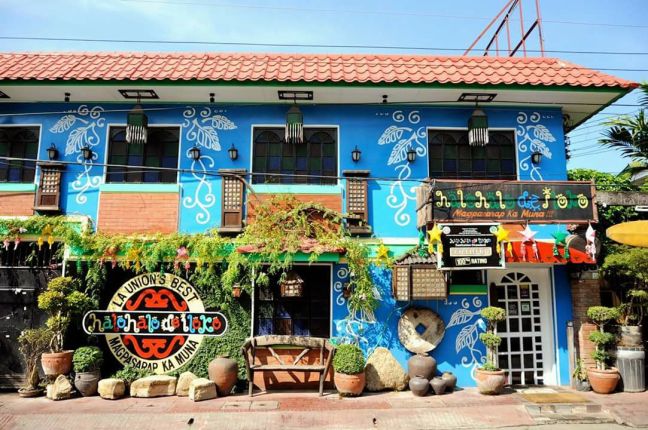
A few minutes walk from the national road, this halo-halo house have been tickling the taste buds of locals and tourists alike. From the national road, you can either walk or hail a tricycle to the resto. While the city temperature is quite hot during high noon, a serving of their all-time favorite halo-halo can easily lower down your body temperature.
Location
Address: #12 Zandueta St., San Fernando City, La Union
Coordinates: 16.6172° N, 120.3198° E
Map:
Business Hours
The restaurant is open from 09:00AM until 09:00PM
Peak hours starting at 11:00AM til 02:00PM and 0500PM-08:00PM
A few minutes walk from the national road, this halo-halo house have been tickling the taste buds of locals and tourists alike. From the national road, you can either walk or hail a tricycle to the resto. While the city temperature is quite hot during high noon, a serving of their all-time favorite halo-halo can easily lower down your body temperature.
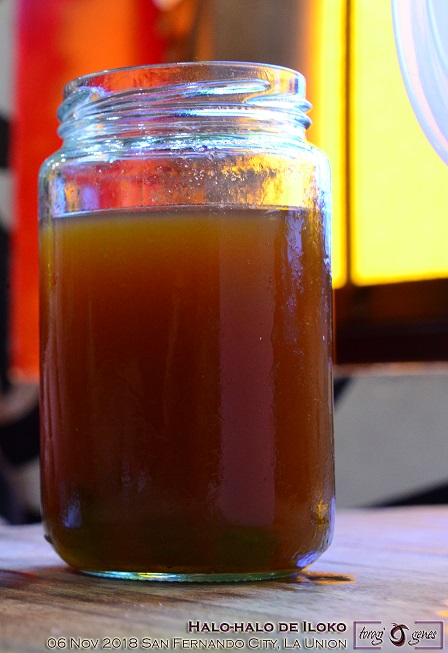
Their signature halo-halo is what draws people to flock this establishment. Because of this shaved ice, I have been to this restaurant, maybe, once a year since it is far from my home base. Price starts at Php70.00 up to Php180.00, depending on the size.
They also offer other Filipino dishes such as “sinalamagian/sinampalukan” (tamarind soup), “nateng” (vegetable), “lames ti baybay” (seafoods), “inapoy” (rice meals), local desserts, etc.
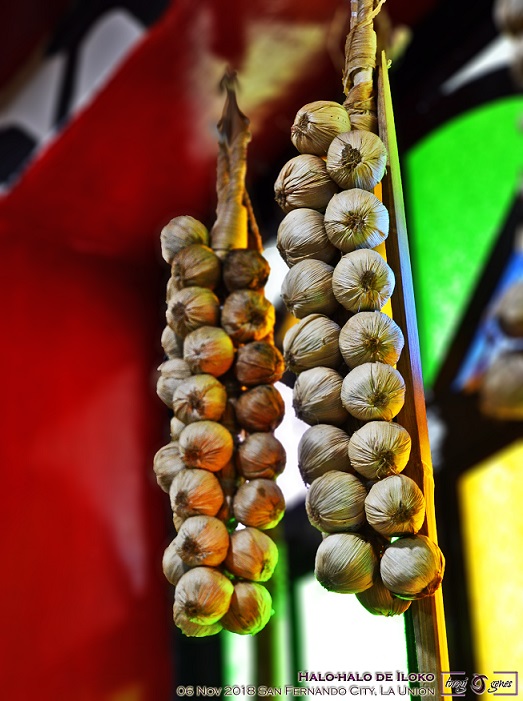
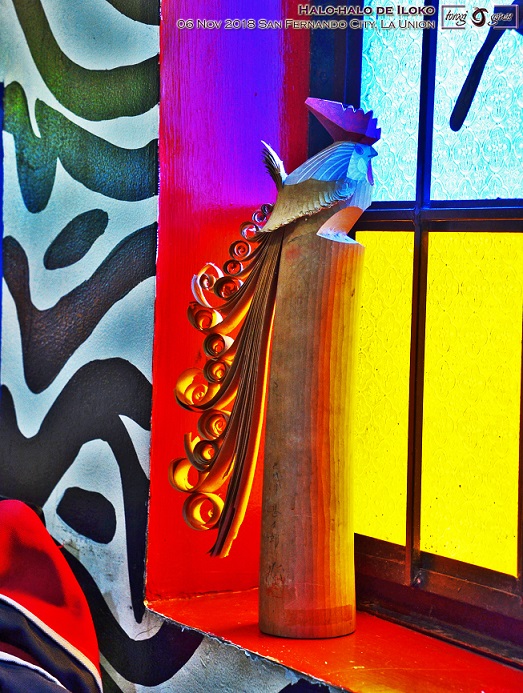
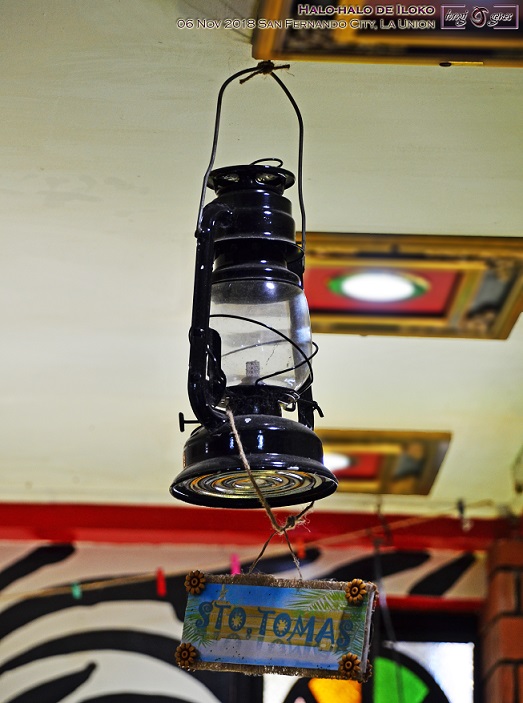
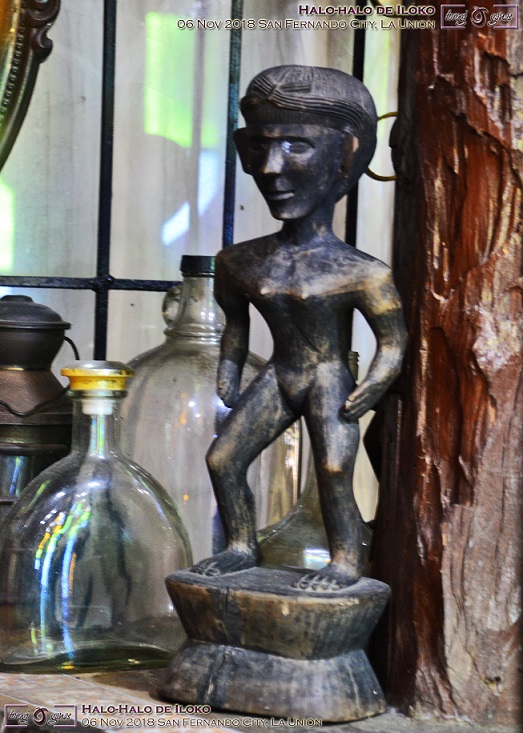
Aside from the luscious local foods, the restaurant itself is instragammable. It features old wares as well as different parts of La Union.
Tips
Don’t go there during peak hours especially if you are a big group. Better yet, contact them if you could book in advance.
If you are coming from San Juan, ride a jeepney bound to San Fernando City via CSI. Tell the driver to drop you in the junction nearest the restaurant.
Explore the restaurant before eating. There are interesting displays throughout the building.
If eating in this resto is your only itinerary for the day, you could explore nearby places like beaches in San Juan, Kamay na Bato Art Gallery in Luna, or go for an early dip in Tangadan Falls in San Gabriel.
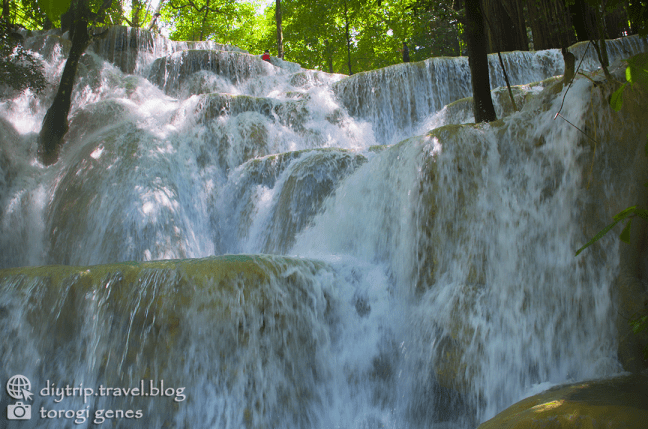
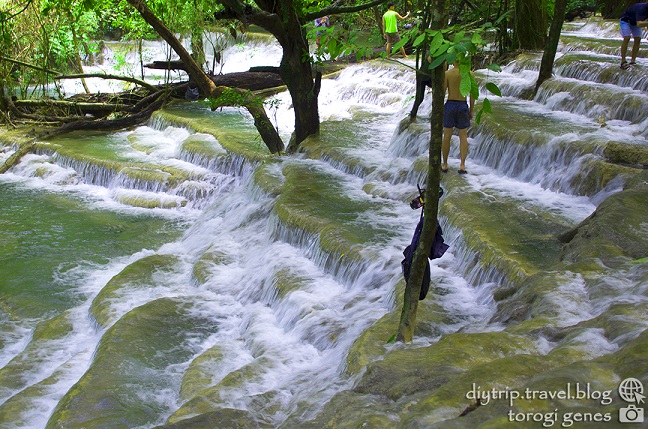
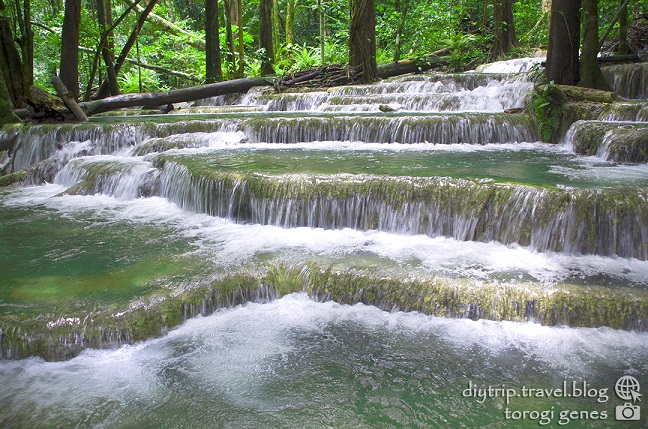
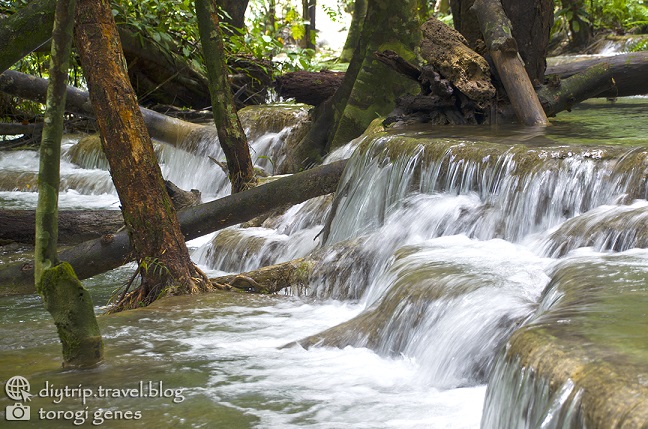
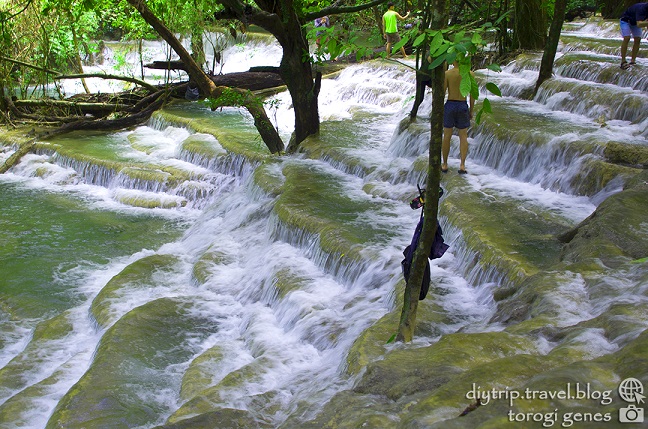
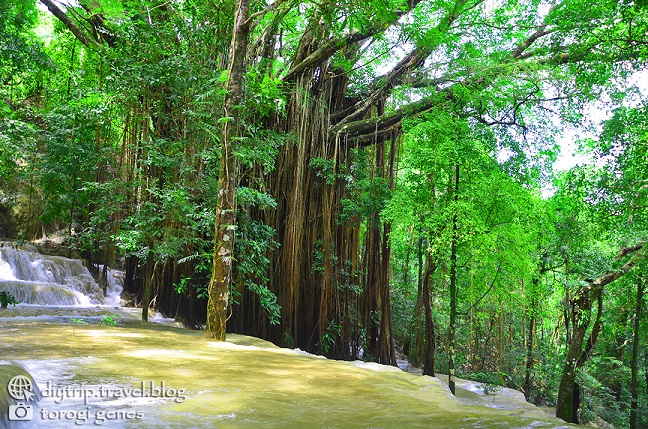
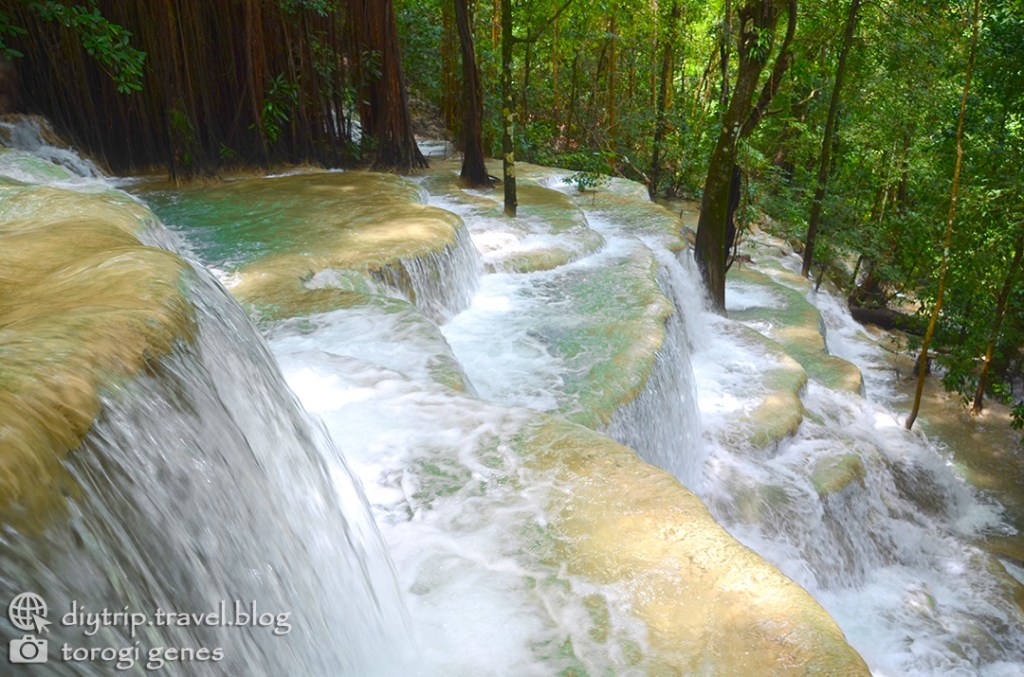
Kaparkan Falls (also known as Mulawin Falls) is a limestone terraces hidden for centuries in the landlocked province of Abra. This travertine rose to fame in 2015 when images of the terraced water gours were uploaded in the internet.
Kaparkan Falls (also known as Mulawin Falls) is a limestone terraces hidden for centuries in the landlocked province of Abra. This travertine rose to fame in 2015 when images of the terraced water gours were uploaded in the internet.
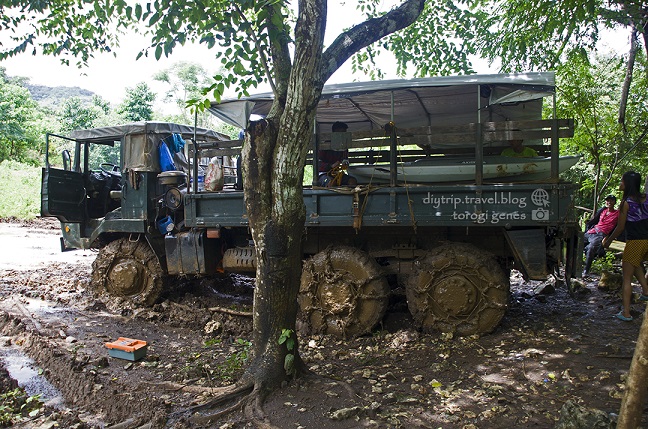
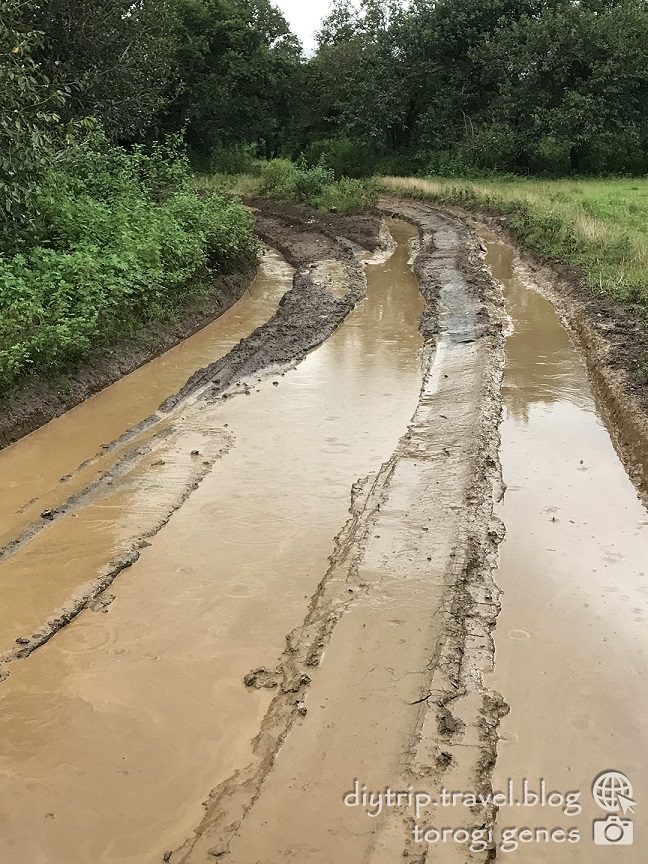
Reaching Kaparkan Falls requires good physical and mental sturdiness. Located in a province 9-10 hours ride away from Manila, this travertine paradise can only be reached through off-road vehicles. Sometimes, these tough vehicles carrying tourists even falter along the way. If you are lucky that these monsters of vehicle will not give up, you need to endure a harrowing, bumpy, and muscle numbing ride for a few hours.
The video below will show you the arduous ride to Kaparakan (Kibad[a], 2019).
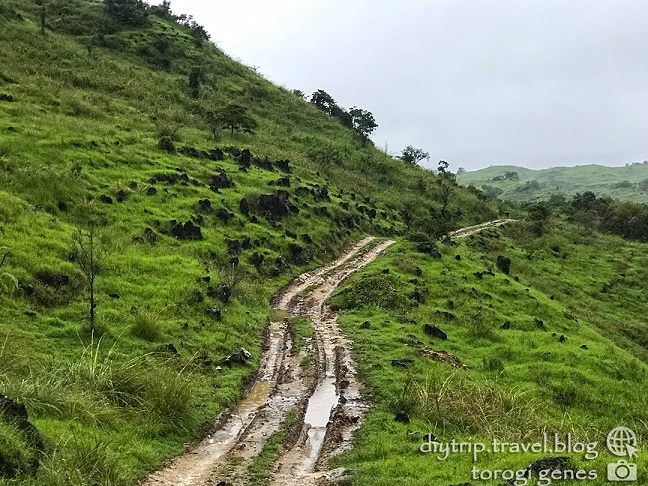
The “hell ride to paradise” will give you insights of the mountainous part of the province. You’ll notice that limestones are scattered along mountain slopes. Caves are often found under these terrains which is corroborated by the Libtec Crystal Cave in Dolores and Sibud-Sibud Cave in Tineg, maybe even more in some areas waiting to be discovered. Several trees such as duhat,banaba, etc. will also delight the visitors aside from the picturesque plains and mountaintops.
Upon arrival at the drop-off point, you’ll need to walk around 10-20 minutes, depending on your pace. We made it in 10 minutes including refilling our water containers from a spring along the way. If you need to empty your bladder or bowel, there is a facility near the entrance
The grounds at the entrance of the falls is a delight itself. There are picnic tables and benches under the trees. You can leave your bags on these tables. Your lunch and snacks should be taken also in this area as no foods are allowed in the water.
Walking further will lead you to the breathtaking Kaparkan Falls. The falls covers a wide water paradise [yeah, a kilometer!] until it drains to the Tineg River. For the purpose of an organized presentation, the picture will be grouped into levels: the upper level, the lower level, and the blue lagoon and ‘mother’ falls near the Tineg River.
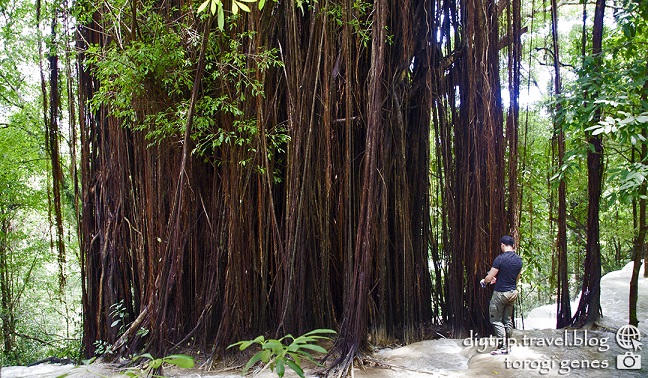
The upper level consists of shallow gours. This starts from the uppermost terraces, which are off limits, until the gours draining to steep and several-meter high pools, just below the balite tree. The images ends on the video posted by Nomadic Highlander (Kibad[b], 2019) in YouTube.
The lower level has greater pool heights than those at the upper level. Further, there are portions of this level which are restricted to tourists unless accompanied by local guides. I highly suggest that you take a local guide as they will even accompany you to the blue lagoon and ‘mother falls’ below.
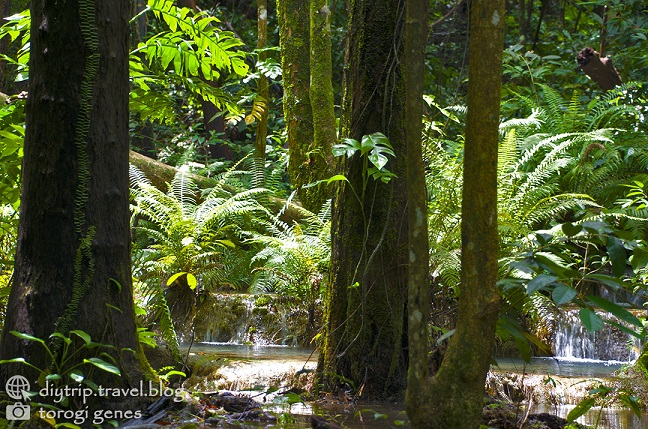
The lower level of the Karakan Falls requires a little bit of walking down a slope under the forest trees and bamboos and going up following the cascades up to the balite tree.
Initially, the guide told us that the blue lagoon is off limits. Later, I came to understand that such restrictions are done when the water level is high as it may be risky to tourists. I was lucky to ask another guide why the lagoon is restricted and got a response that tourists need to be accompanied on those particular days because of previous heavy rainfall.
So, we asked for assistance and they accompanied us down after getting permission from the head guide. Going down is easy but it may be treacherous to some, hence the need of the guide. Moreover, you will not retrace your steps when going back after the blue lagoon and ‘mother’ falls. These guides will lead you through the cascades, indicating which parts are safe to tread. This will lead you up to the hidden pools and gours of greater heights than those at the upper level.
The first two videos were taken by the author. The third one was uploaded by Nomadic Highlander (Kibad[c], 2019) will give you more details of the lover level of this wonder including the Blue Lagoon and Mother Falls.
Diverse Flora and Fauna
There is a diverse flora and fauna in the Kaparkan Falls. To protect this, the tourism council of Abra has created policies including no collection of endemic flora and fauna in the area. Further, the LNT prnciples were also being discussed during the orientation prior to loading in the vehicles. It was noted by guides and the council that some previous tourists were collecting plants and insects.
House Bill No. 2651
With the allure of the Kaparkan Falls to local and foreign tourists, House Bill No. 2651 (2019) was filed by Rep. J.B. Bernos of Abra, which seeks to declare this place as an official ecotourism site. Once the House Bill is approved and enacted, funding will be made available, enabling faster development of the area. The House Bill was received at the Bills and Index Division of the House of Representatives on 24 July 2019.
Get to Bangued, Abra (by land only; the nearest airport is in Laoag)
From Manila: Partas Bus (Cubao and Pasay; fare and schedule here), Dominion Transit Bus (Cubao), or Viron Trans (Cubao or Sampaloc) bound to Bangued. Approx. trip duration: about 9-10 hours. Get to Bangued, Abra. From the bus station, take a tricycle to the agreed meeting place (usually DPWH Compound or at Blugas Station).
From Baguio City: Take a Partas Bus (Php370.00*) or a mini bus (less than Php300.00*) bound to Bangued. Approx. trip duration: about 5-6 hours.
From other parts of the country: Take any transportation that will take you to Narvacan, Ilocos Sur. Tell the driver or conductor to drop you at the junction going to Abra. Hail buses or PUJs plying this route.
Private vehicles: Directions can be easily asked from the friendly Abra locals.
From Bangued to Kaparkan
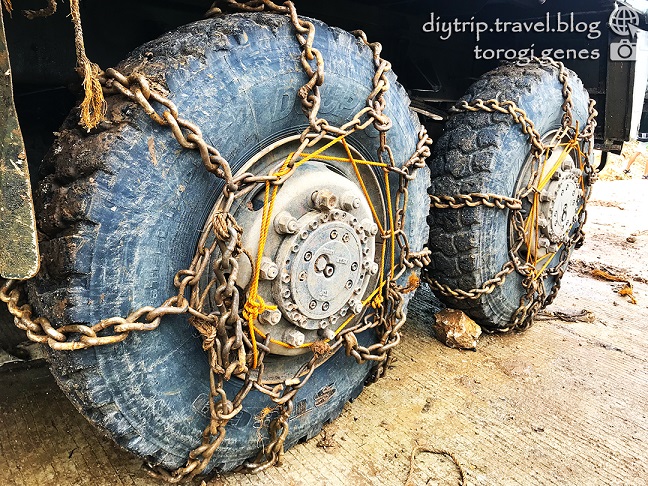
The ABRAmazing team will transfer you to a 4×4, 6-wheeler, jeep, or whatever is best for the group, though usually the 6-wheeler. This will take you to Kaparkan Falls in about 4 hours as of writing. Its starts with a smooth ride for an hour along paved road. At the end of the cemented road, you will all disembark for the team to put chain on the wheels. This will aid the wheels to have better traction in the following 3-hour hyper-bumpy ride.
At the end of the “hell ride”, you will need to take an easy walk down to the Kaparkan Falls for 10-20 minutes, depending on your pace.
Bus fare (round trip): Php740.00 depends on where you came from
Abra pancit miki for breakfast: Php64.00
Tricycle from bus station (accumulated; from bus station to pancit miki resto to BLUgas Station): Php80.00 (divided already for individual fare; there were 2 of us)
Packed lunch (well, we just bought snacks); Php60.00
Tricycle to the bus station (accumulated; from DPWH compound to public ihawan for dinner to bus station): Php20.00 (divided already for individual fare; there were 2 of us)
Get in touch with the above-mentioned contacts before heading to Abra, especially if you do it DIY, to reserve a slot. The Kaparkan falls has a designated maximum capacity, the area is open seasonal (during rainy season only), as well as the availability of transpo can affect the approval of your booking. Most weekends and national holidays are fully booked, by the way.
Be courteous to the locals, tourism and local guidelines, the culture, and of the place itself.
Always practice leave-no-trace principles. I have to highlight to please not leave anything, do not vandalize, and do not take any physical memento from the place. Whether it is under the protection of the DENR or not, treat nature with respect.
Please empty your bowels before embarking. One of the most common sentiments of locals in developing and developed natural tourist areas is fecal dumping of visitors.
If you are pregnant or with health problem (cardiovascular or musculuskeletal), better rebook your travel until you are physically fit to endure the ride. Well, I am used to bumpy rides along unpaved roads in the Cordilleras, however, this particular ride is was much more unfriendly.
Kibad[c], D. [Nomadic Highlander]. (2019 Sept 04). KAPARKAN FALLS Part 3| Exploring Blue Lagoon and Mother Falls [Video file]. Retrieved on 2019 Sept 04 from https://www.youtube.com/watch?v=FbOHxwMa6w0
Disclaimer: The content of this article is not perfect as fees, routes, position holders, etc. changes over time. Please do comment below for any updates and any information deemed necessary for the public to know.
Tekip Falls, a towering natural beauty located in Poblacion, Bakun, Benguet, is probably the most known waterfalls in the municipality as well as the most accessible one.
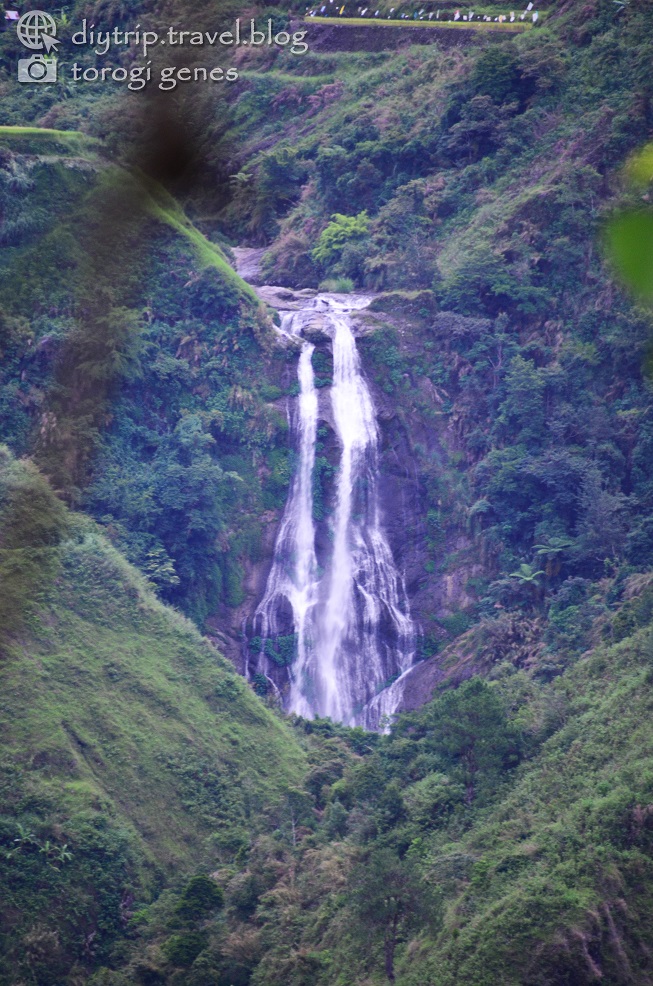
Tekip falls might be the most popular waterfall in Bakun. This is probably related to easy access from Poblacion. It would only need more or less 15 minute-easy-walk from the community, making it the most accessible among the major falls in the area.
En route, you will be amazed with the scenic view of the community area as well see one of the highest footbridge in the community.
On your way to Tekip Falls, you can see a wider view of the community with Mt. Kabunian as the backdrop.
Walking through this hanging bridge near Tekip falls will probably make you dizzy because of its height and length.
Behold the soaring heights of Tekip Falls! Standing at the base of the waterfall, you will feel that you are easily dwarfed by the fall’s immense height. Take note, however, that the best time [like other waterfalls] to see this spectacle is during rainy season where the volume is at its peak.
The beauty of Tekip Falls depends heavily on the volume of rain drops. The image above was taken on May where rainy season is still starting. Actually, it did not rain for days before we visited the site.
Images below detail the different parts of Tekip Falls. Again, the more volume of water, the better. Images below depicts a time when the place did not have voluminous rain in the past days.
Tekip Falls have multiple water streams and cascades. Rainy season has the best view of this natural spectacle.
Other Notable Waterfalls and Destinations in the Area
Option 1. Old Municipal Hall at Php80.00 per night per person. Pro: cheap. Cons: bring your own sleeping gears; food** not included.
Option 2. Sagunday Transient at Php200.00 per night per person. Pros: you get to sleep in a bed with foam, bedding, CR, and with kitchen and cooking utensils (yes, you can cook and stores are a stone’s throw away. Con: food** not included.
** You can arrange with the barangay officials to cook for you at around Php200.00.
Contact Persons
Mr. Arthur Tolito (Municipal Tourism Officer): +63 921 211 3687
Guide fee (Per guide per group [max of 6 pax per group]. In excess of 6 members, additional heads will pay Php75.00 each. However, if the total participants are beyond 8, it is mandatory to have two guides. Further, in excess of the maximum hours, the guide will be paid additional Php50.00 per hour):
Tekip falls: Php300.00 (3 hours)
There are also packages if you want to go to more than one waterfalls and/or site (valid for a day, unless specified):
Tekip falls, Bagiw river, Pikaw falls, rice terraces: Php1000.00
Tekip falls, Bagiw river, rice terraces: Php600.00
Be early taking jeep from Baguio City to La Trinidad as traffic might get heavy.
Get in touch with the contact persons listed above for to verify for any changes in transportation schedules, fees, temporary closure of sites, etc. This will also give them ample time to prepare for your accommodation.
Be courteous to the locals, tourism and local guidelines, the culture, and of the place itself.
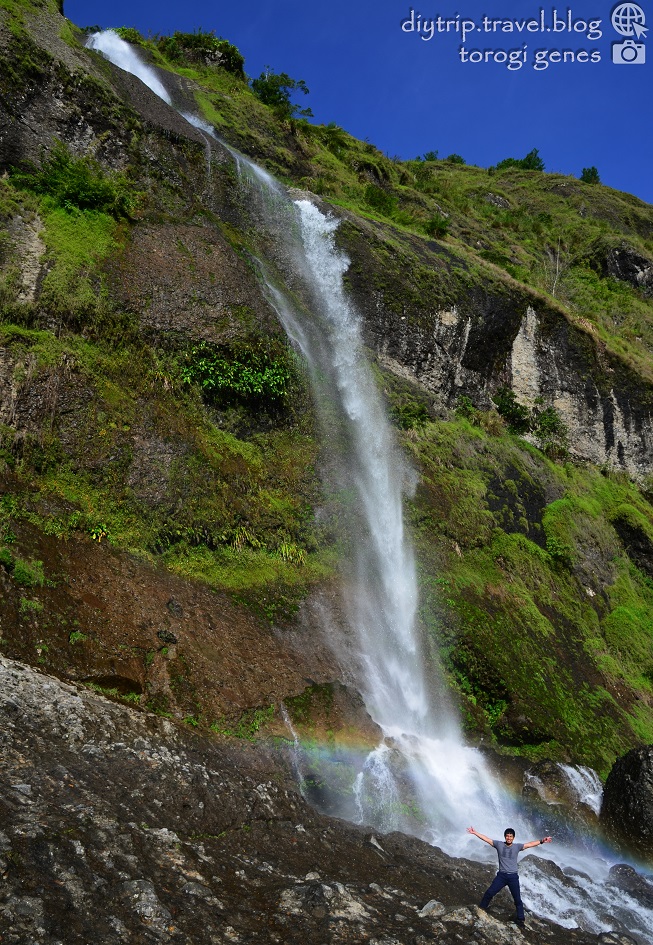
Pikaw Falls, located in Poblacion, Bakun, Benguet, is one of the major falls in the municipality due to its towering height and rainbow formation.
The route to Pikaw falls converges with part of the path going to Gedgedayan, another tourist hill destination. Going to Pikaw is an enjoyable journey itself as you will see a lot of beautiful sceneries, rice terraces, water cascades, mini waterfalls, burial cave, as well as pass through several hanging bridges.
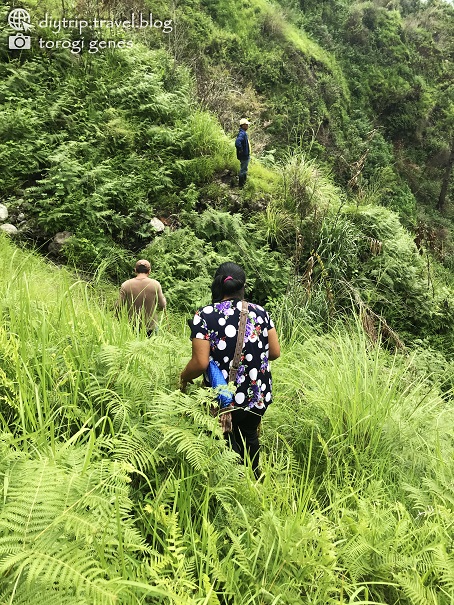
As of writing, access to Pikaw Falls is a little bit of a challenge. Previously, the locals had created pathway for tourists bound to the area. However, it was destroyed during one of the previous typhoons. Apparently, tourists were discouraged to go there because of this, despite of the beauty of the place. Fortunately, we were able to convince our guide, Uncle Max, to accompany us. I had to admit that going there is grueling as, obviously, the old path was already covered with vegetation. I had to admire Uncle Max’s diligence to bring us there.
Our tour guide Uncle Max, the guy in blue in the lead, had to clear our way because no tourist had reached Pikaw Falls for a couple of years. The above image is actually the easiest part. Some parts hard which needs you to stoop walk under brushes and walk through cliff. Once a new safe path will be created, it would be a lot easier to go there again.
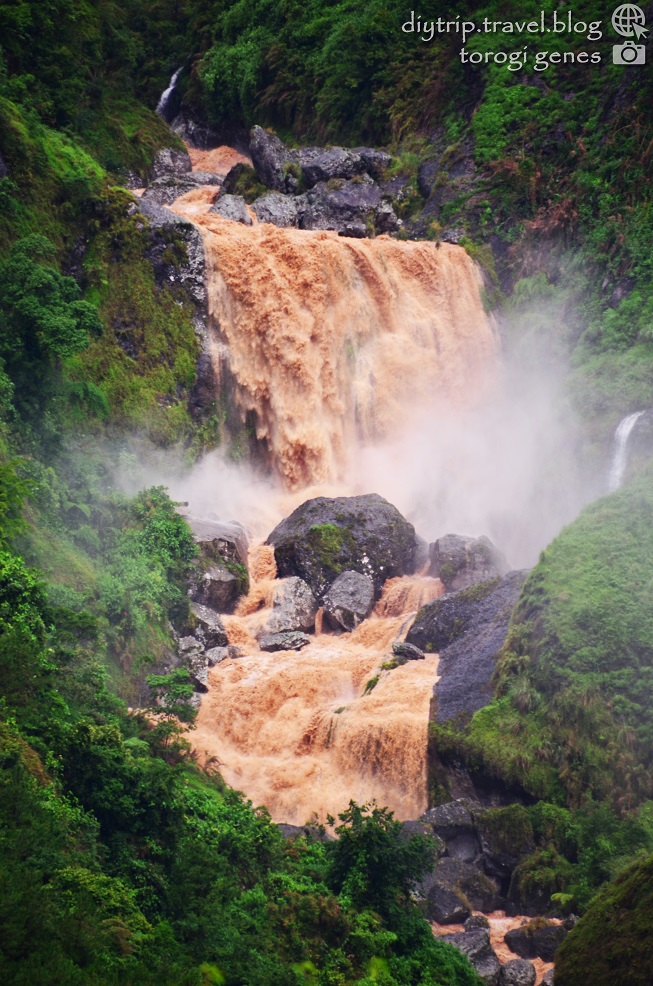
Unlike other major falls in Bakun, Pikaw Falls retains enough volume of water to maintain a reasonable view even during summer days. During rainy months, the volume of water makes even the falls more beautiful and sometimes changes its clear water to chocolate-like color during heavy downpour.
During heavy rains, Pikaw falls turns into a chocolate-colored waterfall. This is due to the soil carried by small bodies of water coming from the bulldozed road above.
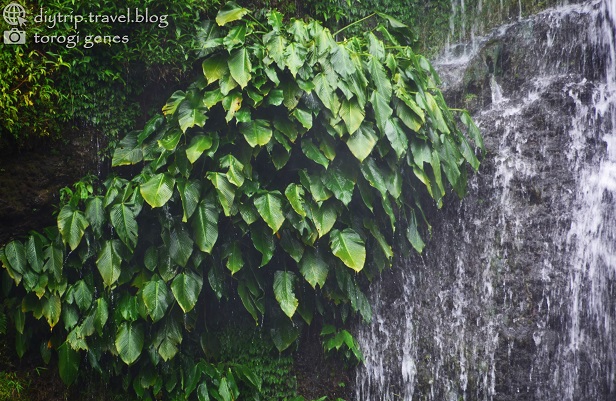
The name of the falls is taken from a plant which abundantly grows in the site. The plant is Pikaw, a plant typically growing in rivers, streams, falls, and marshes in the Philippines and in neighboring countries. Its scientific name is Schismatoglottis calyptrata (Bodner & Gereau, 1988) and is a kind of a wild taro used for indigenous dishes.
Pikaw, a wild taro, commonly grows in steep and rocky portions of bodies of water. The abundance of this plant in Pikaw Falls prompted the locals to call it as such.
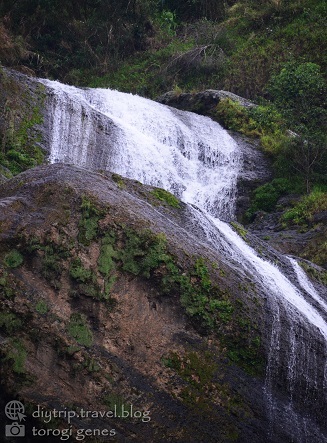
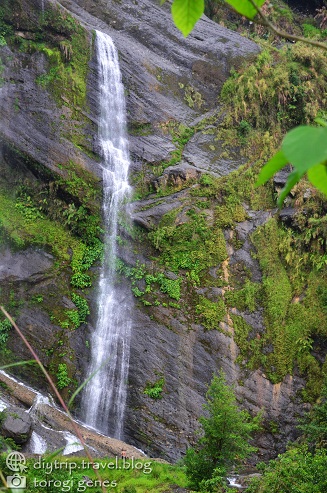
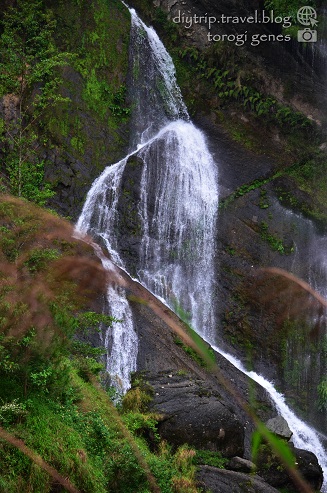
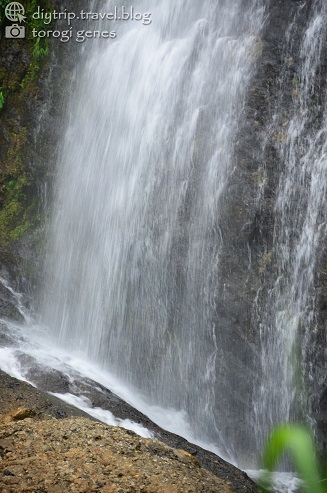
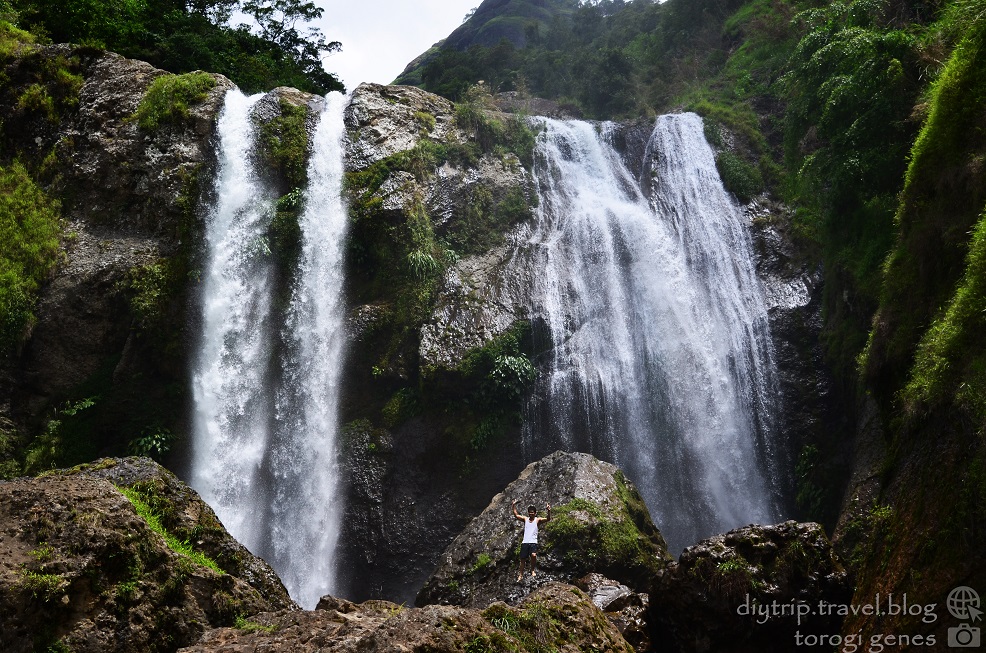
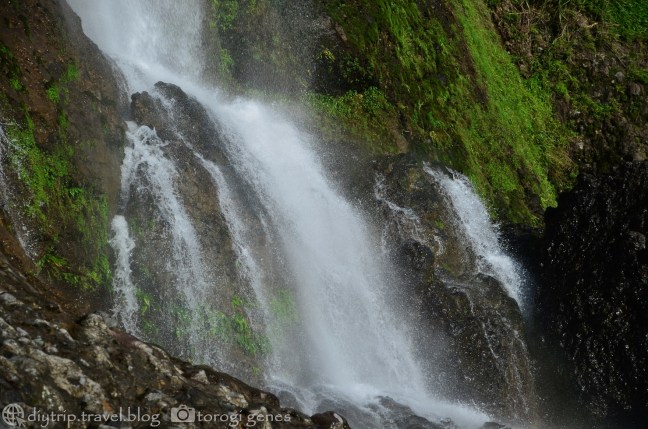
Pikaw Falls has four stream drops from its overhung collapse. The water drops to boulders of stones instead of a plunge pool unlike in Mangta Falls. The way to the falls might be arduous, but the beauty of the destination easily erases your curses on the way.
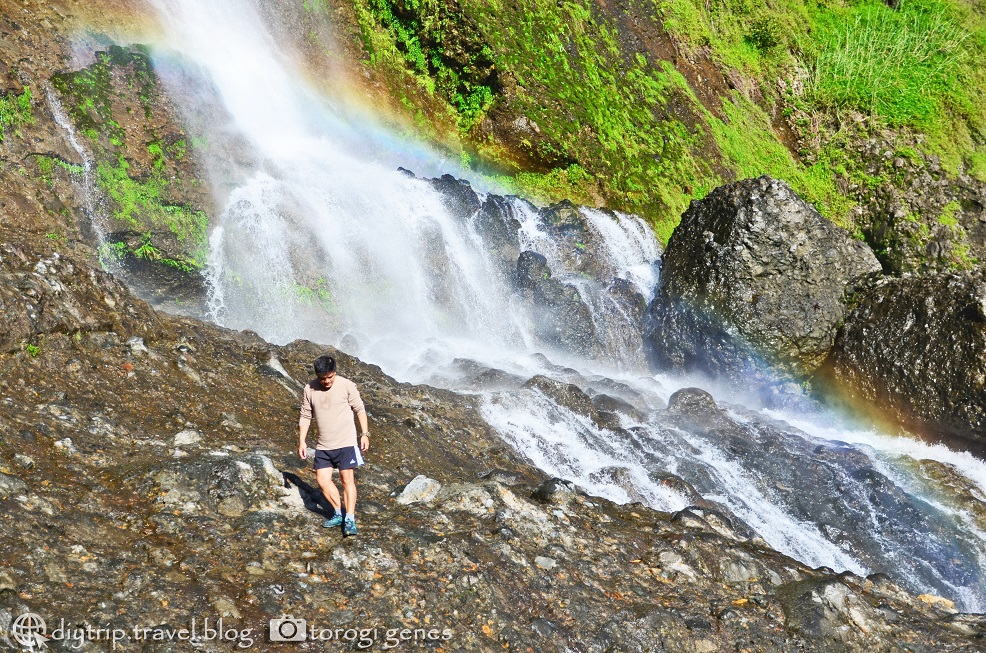
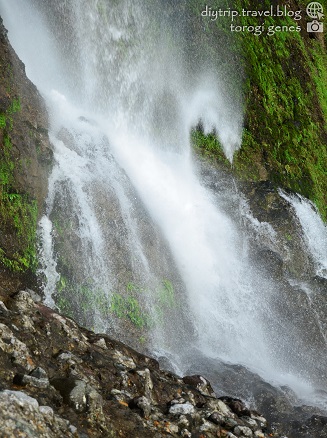
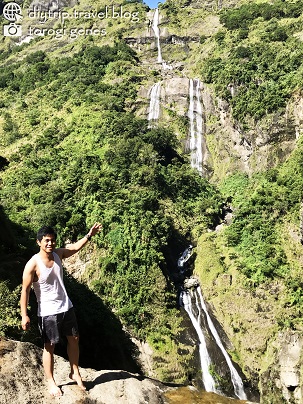
Pikaw Falls as seen from a mountainside on the way. At this vantage, you can see the two levels of the falls.Scaling the boulders for a better view of the falls is a little bit tricky. You need to squeeze through a space in between big rocks then scale the slippery boulders.These are two of the towering water streams.The other water streams are are more of a cascade over a wall of rock.Yup, you can see a small rainbow up close in Pikaw Falls.
The presence of billions of droplets from the impact of water on the stone base of the falls creates a rainbow downstream. This phenomenon, like is Pattan Falls, is common in big waterfalls where the rays of the sun reaches the area where droplets are constantly numerous.
The following videos show Pikaw Falls in its towering splendor and the rainbow formation.
Pikaw falls as seen from a high vantage point. In here, you will see the upper level (waterfalls) draining to the lower level (cascade).
If you can’t get over the rainbow in this waterfall, this video will show you how vast the droplets are which is necessary in the formation the rainbow.
Other Notable Waterfalls and Destinations in the Area
Option 1. Old Municipal Hall at Php80.00 per night per person. Pro: cheap. Cons: bring your own sleeping gears; food** not included.
Option 2. Sagunday Transient at Php200.00 per night per person. Pros: you get to sleep in a bed with foam, bedding, CR, and with kitchen and cooking utensils (yes, you can cook and stores are a stone’s throw away. Con: food** not included.
** You can arrange with the barangay officials to cook for you at around Php200.00.
Contact Persons
Mr. Arthur Tolito (Municipal Tourism Officer): +63 921 211 3687
Guide fee (Per guide per group [max of 6 pax per group]. In excess of 6 members, additional heads will pay Php75.00 each. However, if the total participants are beyond 8, it is mandatory to have two guides. Further, in excess of the maximum hours, the guide will be paid additional Php50.00 per hour):
Pikaw falls: Php500.00 (5 hours)
There are also packages if you want to go to more than one waterfalls and/or site (valid for a day, unless specified):
Tekip falls, Bagiw river, Pikaw falls, rice terraces: Php1000.00
Mt. Gedgedayan + Pikaw falls, Bagiw river: Php1200.00
Pikaw falls + Bagiw river: Php600.00 (valid for 6 hours)
Be early taking jeep from Baguio City to La Trinidad as traffic might get heavy.
Get in touch with the contact persons listed above for to verify for any changes in transportation schedules, fees, temporary closure of sites, etc. This will also give them ample time to prepare for your accommodation.
Be courteous to the locals, tourism and local guidelines, the culture, and of the place itself.
Do not go there if you don’t have endurance for challenging routes.
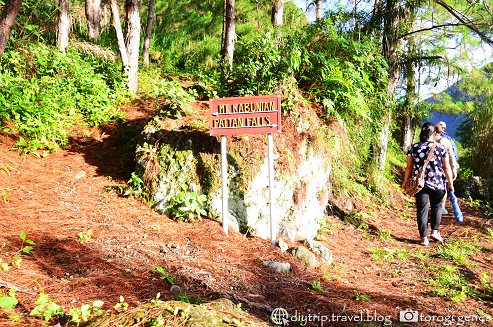
Pattan Falls, located in Poblacion, Bakun, Benguet, is one of the major falls in the municipality due to its towering height and proximity to Mt. Kabunian.
Bakun, Benguet was initially known to tourist of its beautiful mountains. Lately, the waterfalls of this wonderful place is also gaining attention. Of the major falls, Pattan seems to have found a place in hiker’s itinerary primarily due to its proximity to Mt. Kabunian.
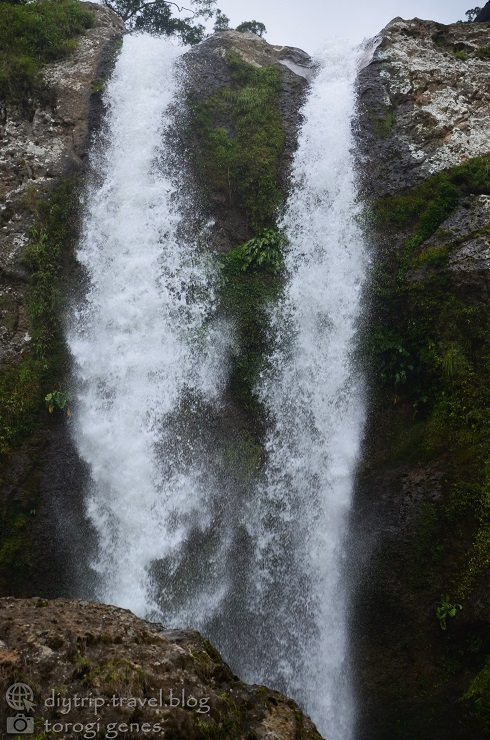
Unlike other waterfalls, Pattan falls has a couple of interesting points to offer. One, the height of the waterfall is towering and is approximately 150 meters, according to Uncle Max, one of the pillars of tour guiding in Bakun. This makes the sound of the water fall so loud that you can hear it several meters away even before having a glimpse of it.
Water from Pattan Falls drops from the precipice above to approximately 150 meters below.
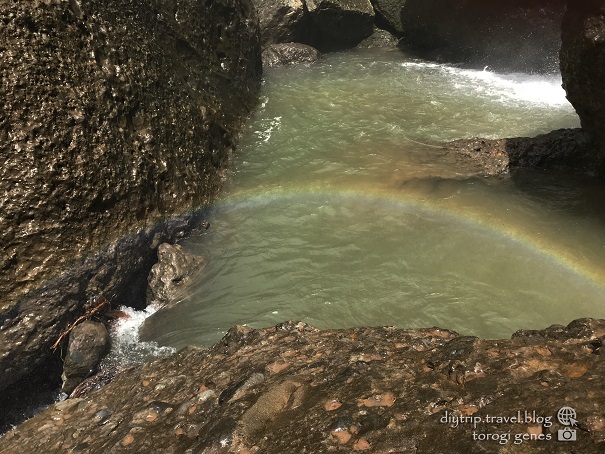
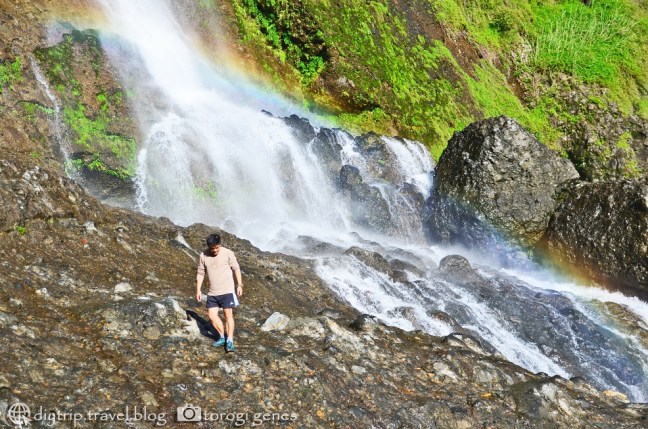
Two, it generates an amazing RAINBOW! Yup, rainbow guys. So, if you are still trying to get that pot of gold at the end of the rainbow, this is one of the right places to be.
The rainbow appears if the base of the falls is under the sun. Moreover, the best angle where to take a picture of the rainbow depends on the volume of the water and the position of the sun.The impact of the water dropping to the base of the falls creates a multitude of droplets which is necessary fro rainbow formation when sunlight passes [reflects] through.
The images below show the whole length and levels of Pattan Falls as seen from Mangta Falls.
The video below shows Pattan Falls in its towering splendor.
Option 1. Old Municipal Hall at Php80.00 per night per person. Pro: cheap. Cons: bring your own sleeping gears; food** not included.
Option 2. Sagunday Transient at Php200.00 per night per person. Pros: you get to sleep in a bed with foam, bedding, CR, and with kitchen and cooking utensils (yes, you can cook and stores are a stone’s throw away. Con: food** not included.
** You can arrange with the barangay officials to cook for you at around Php200.00.
Contact Persons
Mr. Arthur Tolito (Municipal Tourism Officer): +63 921 211 3687
Guide fee (Per guide per group [max of 6 pax per group]. In excess of 6 members, additional heads will pay Php75.00 each. However, if the total participants are beyond 8, it is mandatory to have two guides. Further, in excess of the maximum hours, the guide will be paid additional Php50.00 per hour):
Php600.00 (6 hours)
There are also packages if you want to go to more than one waterfalls and/or site with Mangta Falls (valid for a day, unless specified):
Be early taking jeep from Baguio City to La Trinidad as traffic might get heavy.
Get in touch with the contact persons listed above for to verify for any changes in transportation schedules, fees, temporary closure of sites, etc. This will also give them ample time to prepare for your accommodation.
Be courteous to the locals, tourism and local guidelines, the culture, and of the place itself.
Do not dare the pool if you do not know how to swim.
Mangta Falls, located in Poblacion, Bakun, Benguet, is now drawing tourists’ attention among its former waterfalls competitors in the area because of its breathtaking beauty and natural plunge pool.
When waterfalls started to become part of hiking itineraries in Bakun, Mangta Falls is commonly not included. Unlike Pattan Falls, its remoteness from mountain hiking paths could be a big factor. In fact, the previous local tourism guideline only includes Mangta Falls in one tour package but not as an stand-alone destination. Fortunately, as of early 2019, this now has been remedied and Mangta Falls is now part of other packages and can also be visited as a single destination.
The Path to Mangta Falls
Going to Mangta Falls maybe arduous but has more rewards than your sheets of sweat. The chirping of birds, wild mushrooms, and mountain scenes are but some of the things that will divert your attention from your sore muscles.
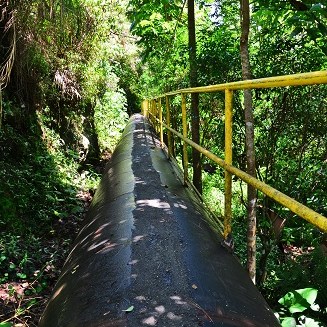
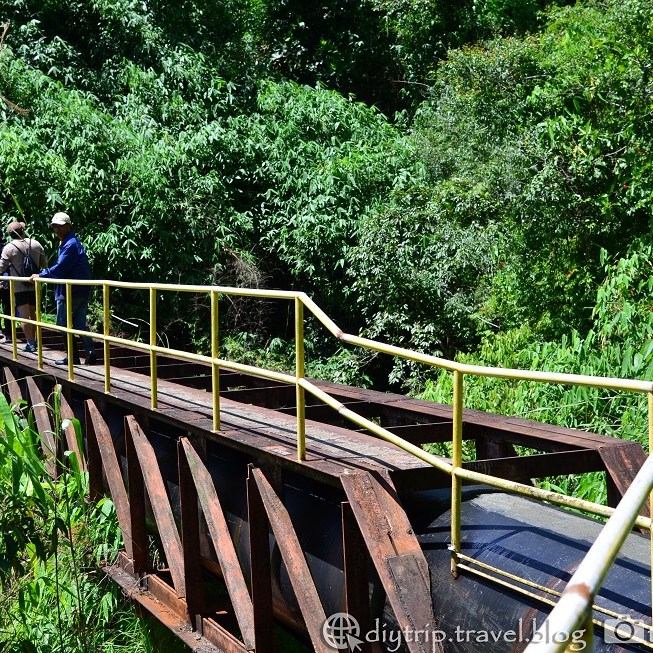
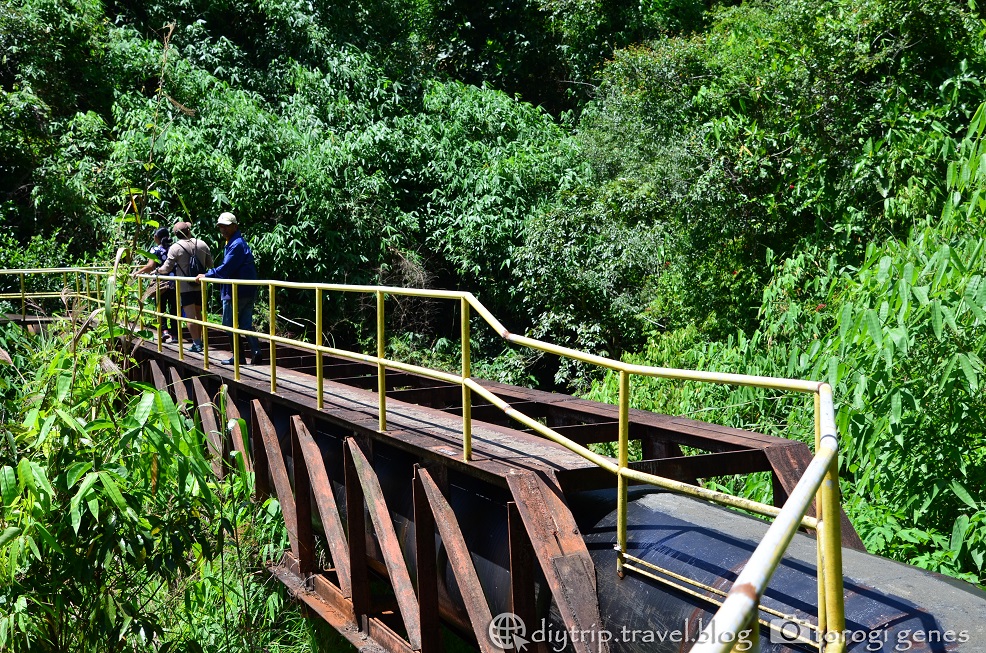
You’ll also get to walk on foot bridges other than the typical one. This includes stairs over a giant waterpipe, stairs over gigantic hydro pipes, or just walk over these pipelines.
The Magnificent Mangta Waterfall
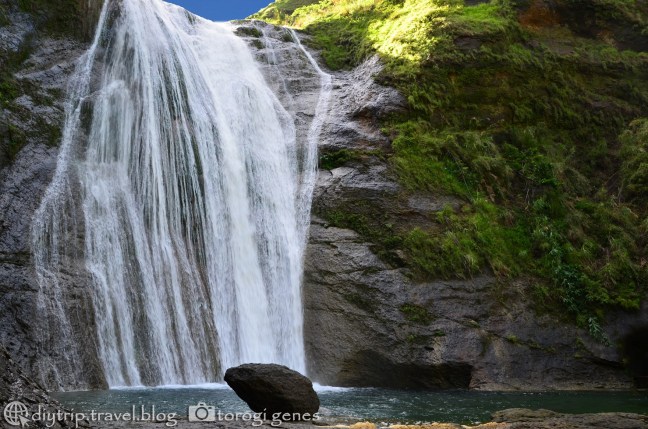
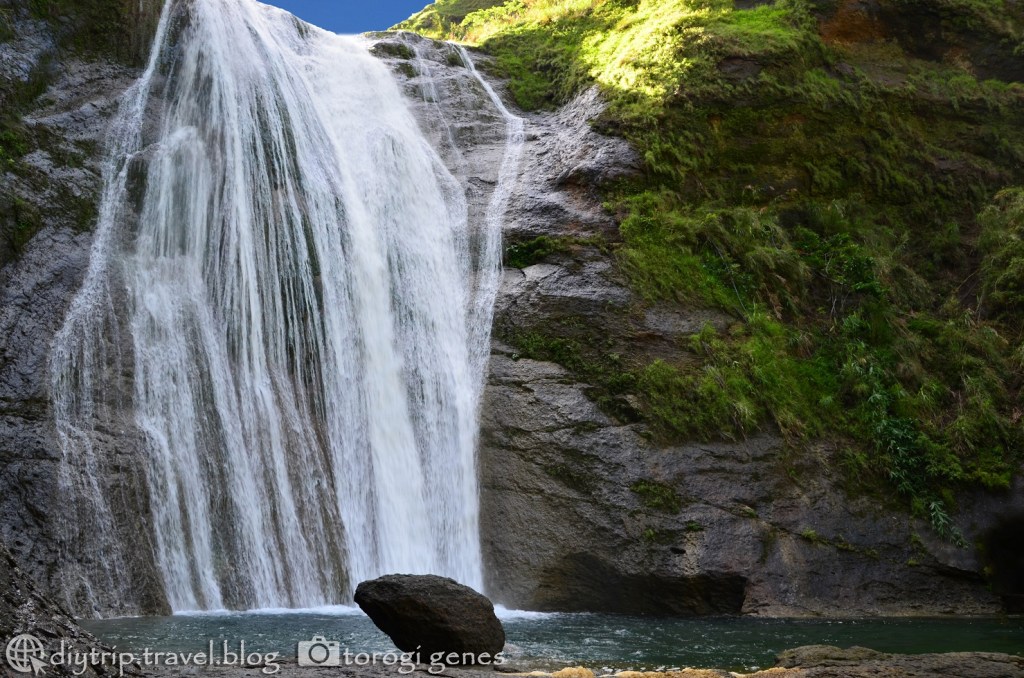
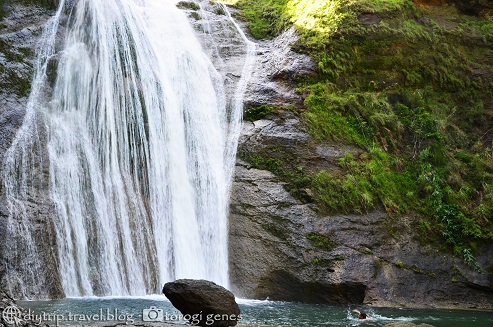
The waterfall is one of the major attraction of Mangta Falls. It is approxiamtely 20 meters high from the top until it drops in the natural pool. Unlike other falls that you can climb up to some extent, water falls through a steep wall that scaling it is impossible without necessary equipment. Instead, better take dip, swim or dive in its pool. Relieve your sore muscles in the clean and icy water.
The following images shows Mangta Falls in different angles.
To appreciate the beauty of Mangta Falls, the following videos captured the cascading of water until it plunges to the natural pool below.
The video depicts a close up view of the falls and of the pool.
Mangtan Falls is a beautiful waterfall with a natural pool. Also, you can have a good view of the total length of Pattan Falls.
The Mangta Pool
Mangta Falls is very unique from the other waterfalls in Bakun because of its plunge pool. The natural pool is approximately 12 feet deep and as wide as a single volleyball court. This is more than wide enough for tourists who wants to swim its clear waters.
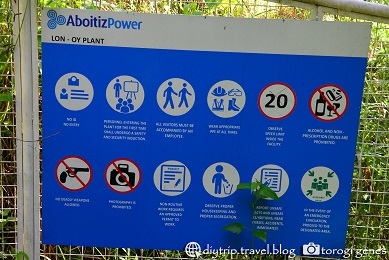
The pool drains to a pipeline which draws water for the nearby Aboitiz hydroplant. Don’t get scare of getting swallowed by the gigantic pipe because it is located on the far right side of the pool and has safety bars across pipe mouth. Actually, be more scared of the chilly water if you want to take a dip.
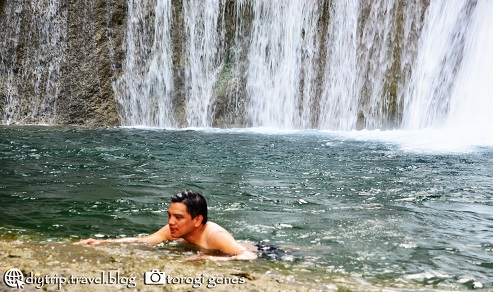
Tourists can take a dip and swim in the pool of Mangta Falls. The water is clean and refreshingly cold.
Option 1. Old Municipal Hall at Php80.00 per night per person. Pro: cheap. Cons: bring your own sleeping gears; food** not included.
Option 2. Sagunday Transient at Php200.00 per night per person. Pros: you get to sleep in a bed with foam, bedding, CR, and with kitchen and cooking utensils (yes, you can cook and stores are a stone’s throw away. Con: food** not included.
** You can arrange with the barangay officials to cook for you at around Php200.00.
Contact Persons
Mr. Arthur Tolito (Municipal Tourism Officer): +63 921 211 3687
Guide fee (Per guide per group [max of 6 pax per group]. In excess of 6 members, additional heads will pay Php75.00 each. However, if the total participants are beyond 8, it is mandatory to have two guides. Further, in excess of the maximum hours, the guide will be paid additional Php50.00 per hour):
Php700.00 (7 hours)
There are also packages if you want to go to more than one waterfalls and/or site with Mangta Falls (valid for a day, unless specified):
Be early taking jeep from Baguio City to La Trinidad as traffic might get heavy.
Get in touch with the contact persons listed above for to verify for any changes in transportation schedules, fees, temporary closure of sites, etc. This will also give them ample time to prepare for your accommodation.
Be courteous to the locals, tourism and local guidelines, the culture, and of the place itself.
Do not dare the pool if you do not know how to swim.
Bakun is one of the most picturesque municipality in the Cordilleras, if not in the country, as it boasts nature at its best. The place is known for its mountains, especially the trio of Mounts Tenglawan, Lobo, and Kabunian. Now, it also attracts tourists’ attention for its scenic waterfalls.
How to Get To Bakun, Benguet (DIY)
The best way to get to Bakun and experience the rush of its waterfalls is through Baguio City. From Baguio City, take a jeepney going to La Trinidad, Benguet and drop at the Caltex Gasoline Station at Km. 5. Take note that this is across Mercury Drugstore and NOT the one in Puguis junction or in front of Benguet State University. There is only one daily bus trip stationed there and starts moving between 6:00AM to 6:30AM. Be there at 6:00AM so that you will not miss it.
Contact Persons
Mr. Arthur Tolito (Municipal Tourism Officer): +63 921 211 3687
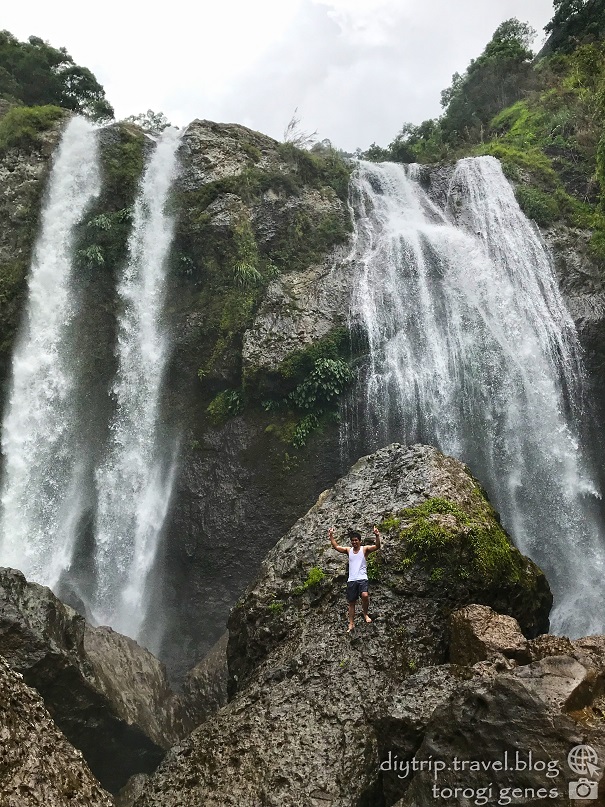
Bakun offers waterfalls of great heights and of incomparable beauty. Among the numerous waterfalls in the municipality, Mangta, Tekip, Pikaw, Pattan, Sakup, and Tres Marias are the most popular. Each have their own allure, depending on the height and width of the waterfall, presence of plunge pool, accessibility, and others.
Pattan Falls, with its impressive height and rainbow formation, is quite popular to hikers traversing the Bakun Trio because of its proximity to Mt. Kabunian.
Want to see the details of the waterfall and plunge pool of Pattan Falls? Check it here:
Pikaw Falls, one of the farthest falls from Poblacion and hardest to reach, offers mist-forming plunges, rainbows, and unique boulders instead of a pool.
Want to see the details of the waterfall and plunge pool of Pikaw Falls? Check it here:
Tekip Falls might be the most popular among Bakun waterfalls. Probably, this is because of its proximity to Poblacion, easy to access, height of the falls, and picturesque facade.
Want to see the details of the waterfall and plunge pool of Tekip Falls? Check it here:
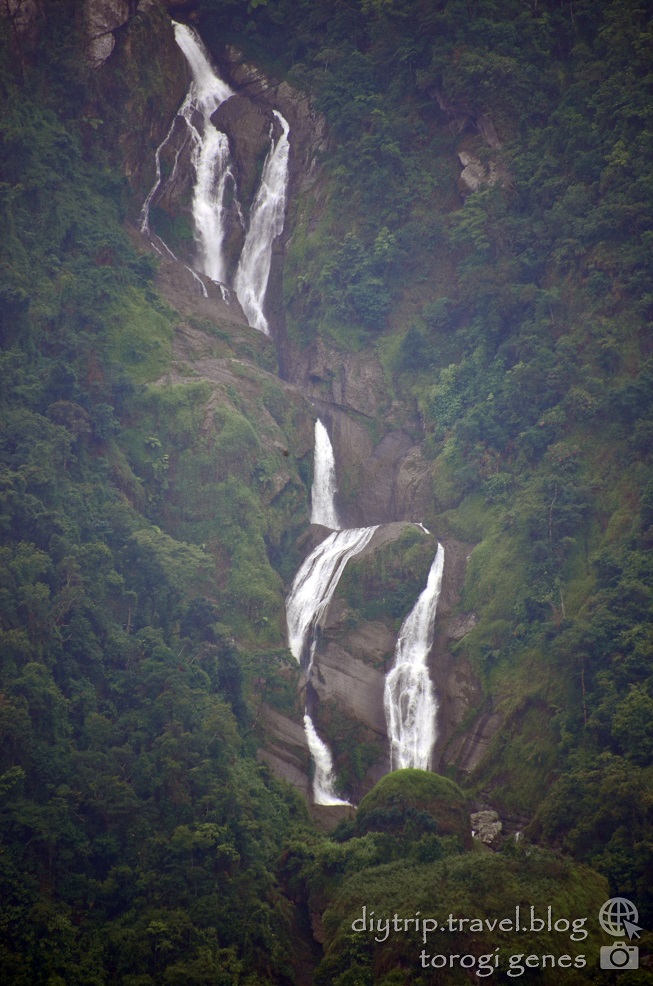
Tres Marias Falls (also known as Dalingaoan Falls) is a series of three falls in Sinacbat, Bakun. This thee-layered waterfalls can be seen in its totality en route to Tekip Falls.
Of Foot Bridges Over Crystal Clear Waters
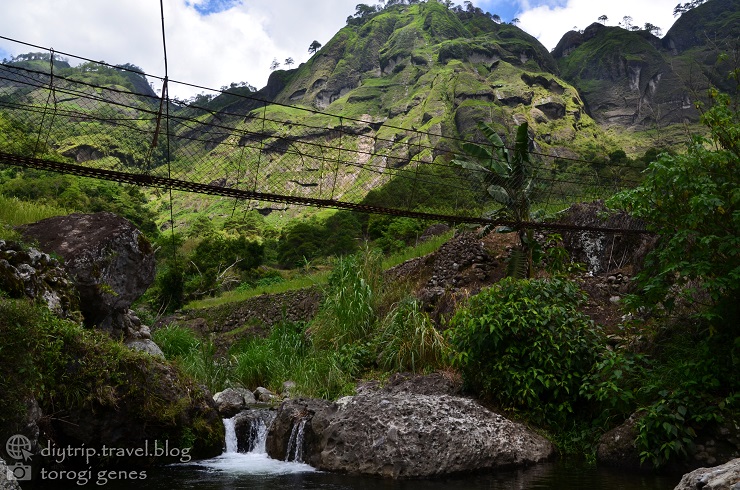
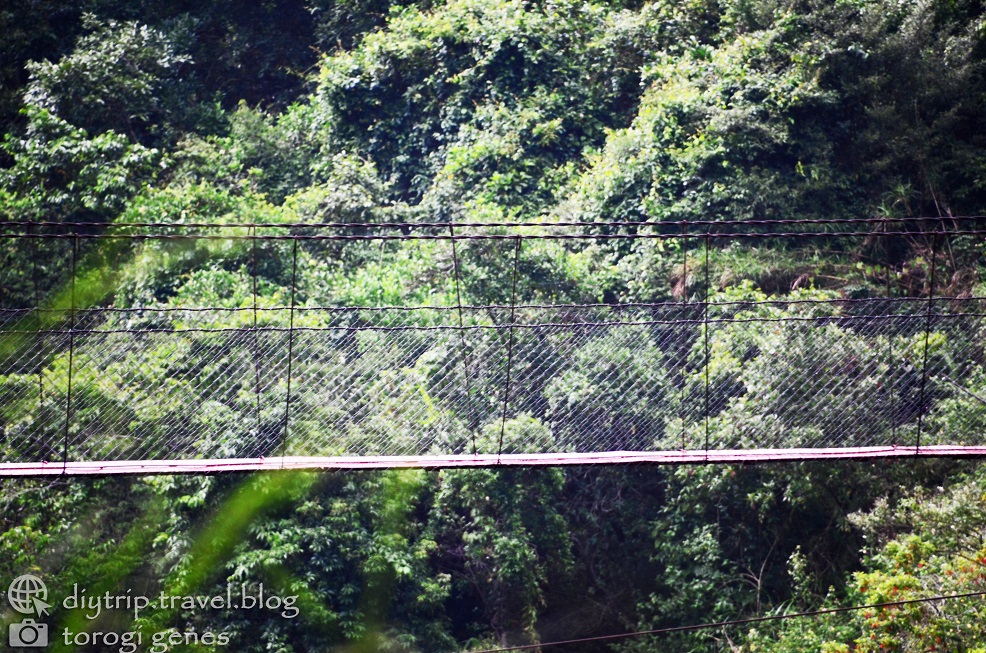
Traversing Bakun’s heavy-trodden paths will almost always lead you to a foot bridge. In each waterfall destination, you will almost always pass through these hanging bridges. It may seem challenging to those who fear height but it surely does bring excitement walking through each of them.
This type of hanging bridge is the most common among foot bridges in Bakun. The above image is located near a burial cave. The above image depicts a bridge over one of the gargantuan pipelines of Aboitiz hydroplant. The nearest foot bridge in Poblacion is located near Tekip Falls.
Walkingthrough a hanging bridge in Bakun could be challenging to some tourist who have fear of heights. However, this could also be an extraordinary experience to some.
Scenic Bakun
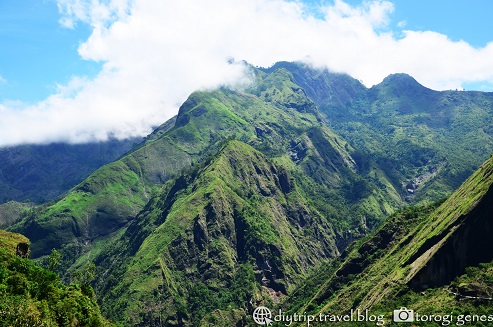
Going to Bakun will not only satisfy your love for waterfalls but also engage you with its natural beauty. Poblacion, for instance is surrounded with scenic mountains, often capped with fog in the afternoon and when it rains.
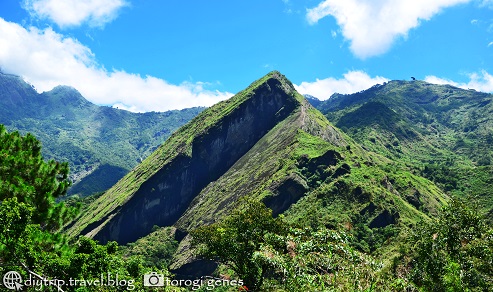
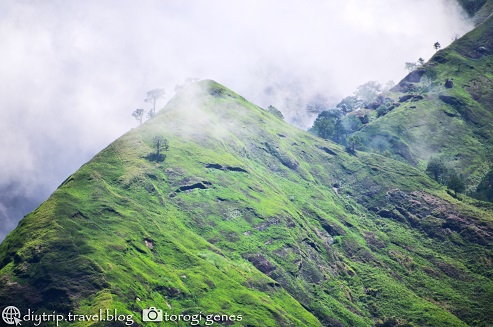
Mt. Kabunian as seen en route from Tekip Falls. This view is typical in this part of the country, where a mountain made of stone is covered with grasses and dotted with coniferous trees. There are a lot of boulders at the foot of this mountain which were felled with natural erosion process and during earthquakes.The mountains covered with fog gives a surreal image which delights tourists.
Option 1. Old Municipal Hall at Php80.00 per night per person. Pro: cheap. Cons: bring your own sleeping gears; food** not included.
Option 2. Sagunday Transient at Php200.00 per night per person. Pros: you get to sleep in a bed with foam, beddings, CR, and with kitchen and cooking utensils (yes, you can cook and stores are a stone’s throw away. Con: food** not included.
** You can arrange with the barangay officials to cook for you at around Php200.00.
Expenses (food not included) as of May 2019
Baguio City to Km. 5, La Trinidad: Php10.00
Bus fare from La Trinidad to Bakun: Php180.00
Accommodation: Php80.00-200.00
Environmental fee: Php50.00-100.00 depending on the site. Fee is per site.
Guide fee (Per guide per group [max of 6 pax per group]. In excess of 6 members, additional heads will pay Php75.00 each. However, if the total participants are beyond 8, it is mandatory to have two guides. Further, in excess of the maximum hours, the guide will be paid additional Php50.00 per hour):
Be early taking jeep from Baguio City to La Trinidad as traffic might get heavy.
Get in touch with the contact persons listed above for to verify for any changes in transportation schedules, fees, temporary closure of sites, etc. This will also give them ample time to prepare for your accommodation.
Be courteous to the locals, tourism and local guidelines, the culture, and of the place itself.
Do not attempt to swim nor dive if you do not how.
In 2016, I went to Abra to visit Kaparkan Falls and see the countryside as Ceenan, my lower batch in college, had suggested. To my utter amazement, I found that Abra is a beautiful place, with lots of potential for tourism.
My one week stay in Abra is productive yet insufficient because of the hassle of travelling from one municipality to another. I was not able to see Kaparkan Falls because there was a raging low pressure that time and no motorized bike would be hired because the road was almost impossible to pass because of continuous torrential rain. So I asked my guide-cum-driver if he could accompany me to Piwek Rock formation. Unfortunately, the water is so high that it is unsafe to continue the plan.
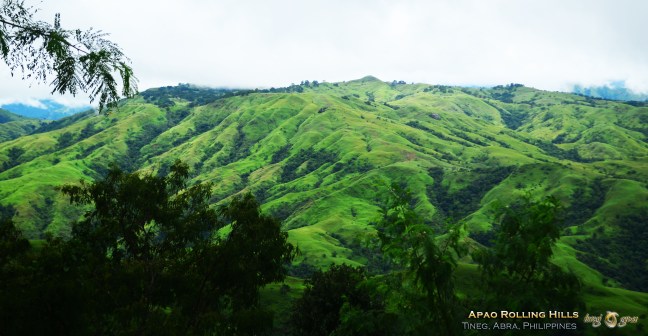
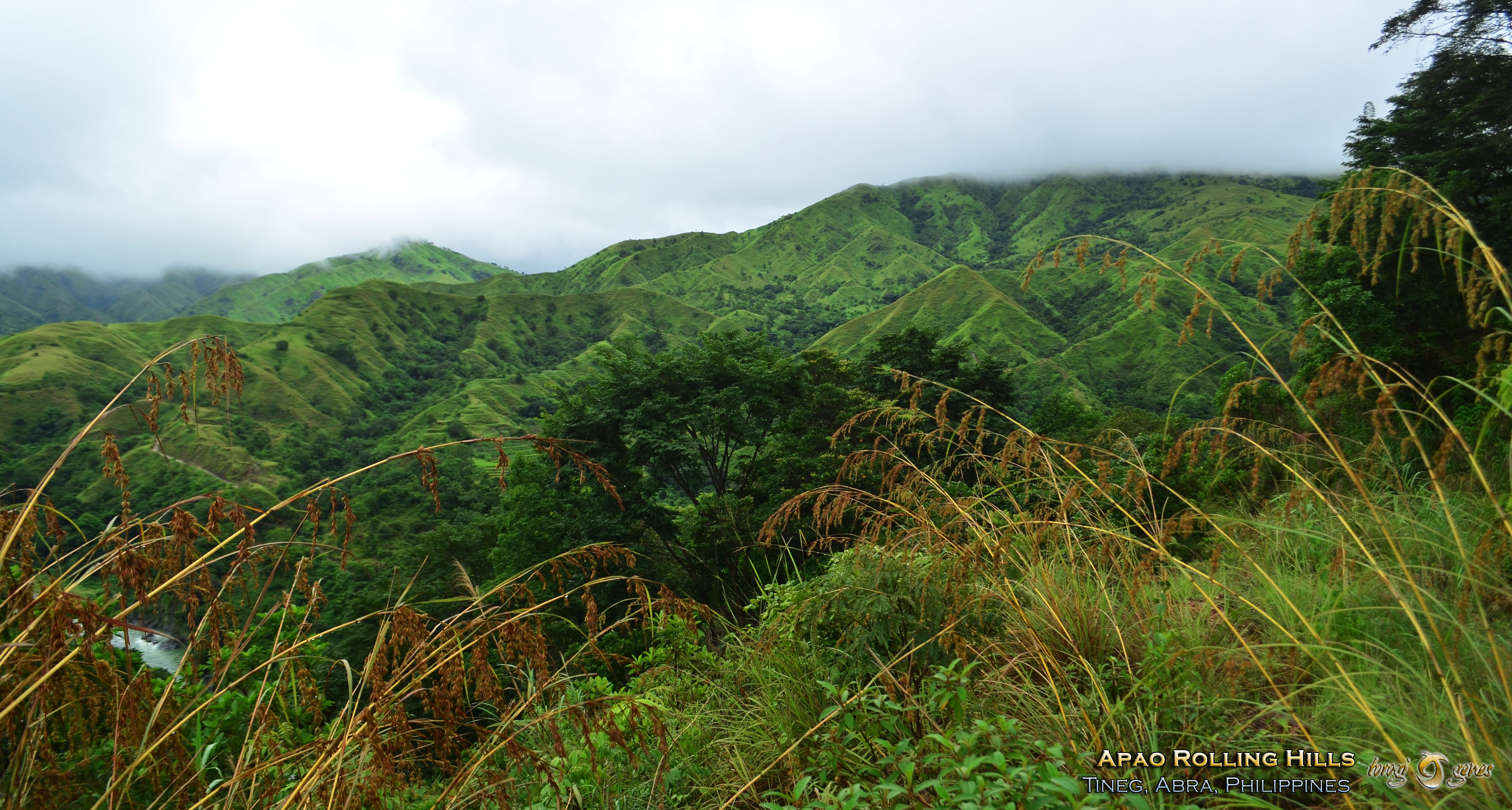
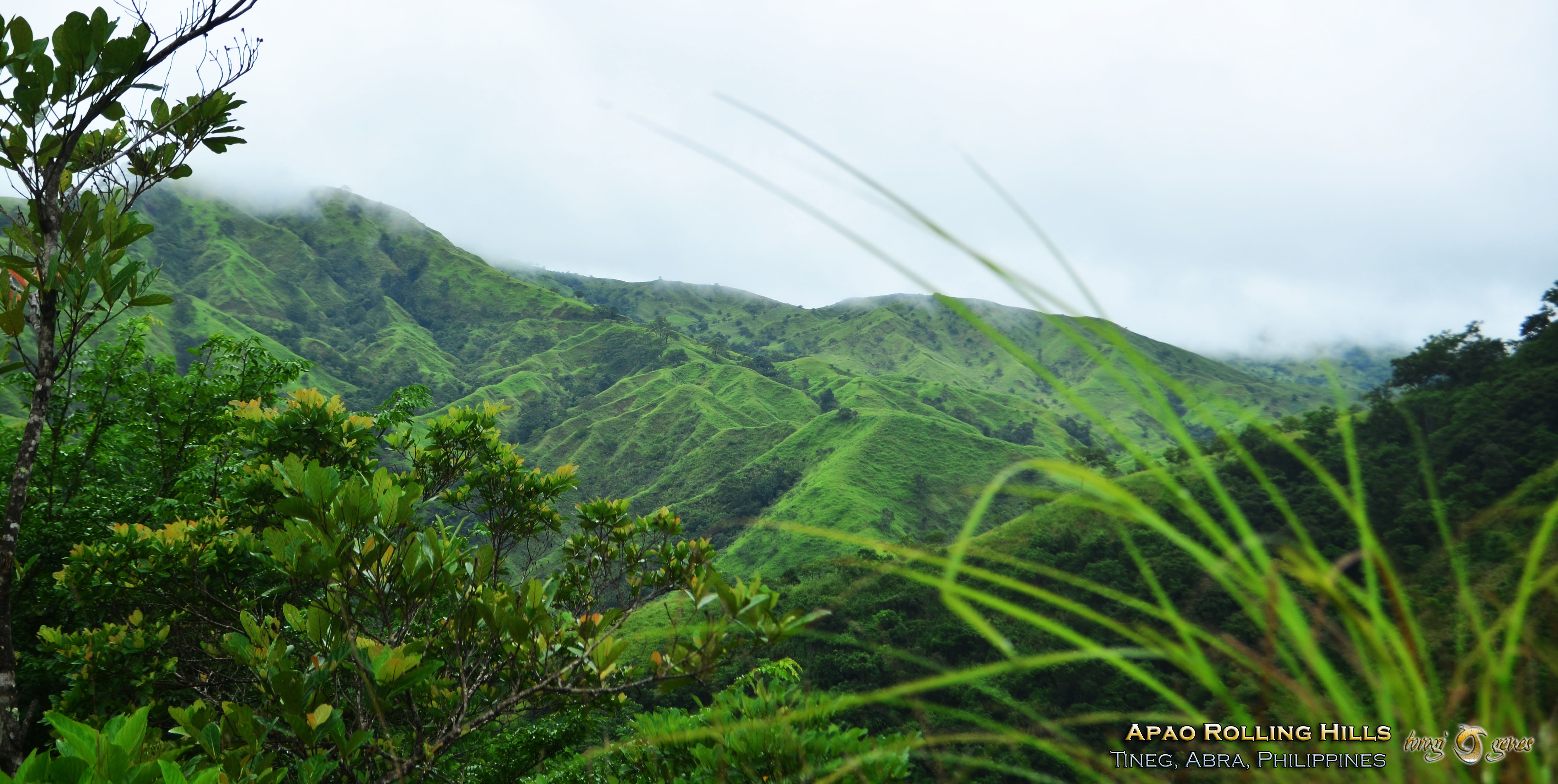
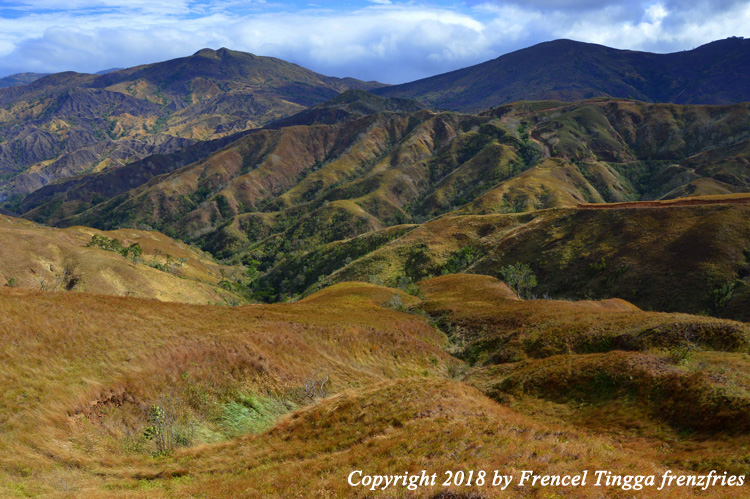
On our way to and from the river going to Piwek Rock formations, I saw verdant rolling hills and was awed by its beauty. The guide told me that it what we saw covers mostly Barangay Apao but also nearby barangays. I took some shots and I just named it Apao pastureland in my mind, because that is its main purpose. A year or two later, tourists called it Apao Rolling Hills, and it got stuck.
The hills near the municipal hall has actually a road on its base. I hoped then that it should not encroach the higher parts of the land as it will destroy the view.
Gallery
Embedded image below gives you the details of Apao Rolling Hills as seen in Google Map
When I went there in 2016, it was fortunate (though the swollen river stopped me from visiting Piwek Stone formations and Kaparkan Falls) that it is rainy season, thus the hills have that verdant green color. However, the fog has blanketed the mountains and hills that I cannot have a good view of the farther hills.
To give comparison of the place during summer time, the hills would look brownish with patches of green bushes. An example would be seen in the embedded image below from Fren Fries blog article (Tingga, 2018).
Other Notable Tourist Spots in Abra
There are a lot of tourist destinations in Abra with Kaparkan Falls at the helm. Others include Kili Falls, Tayum Church, Cassamata Hill National Park, Tayum Church, Apao Rolling Hills, Sibud-Sibud Cave, Libtec Crystal Cave, Calaba Bridge, Don Mariano Marcos Bridge, Piwek Rock Formations, Tangadan Tunnel, and many more.











































 Loneprowler