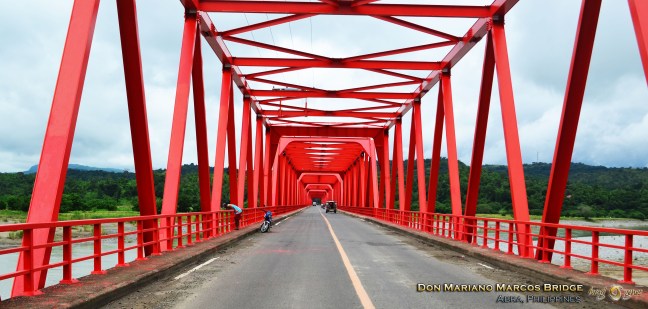
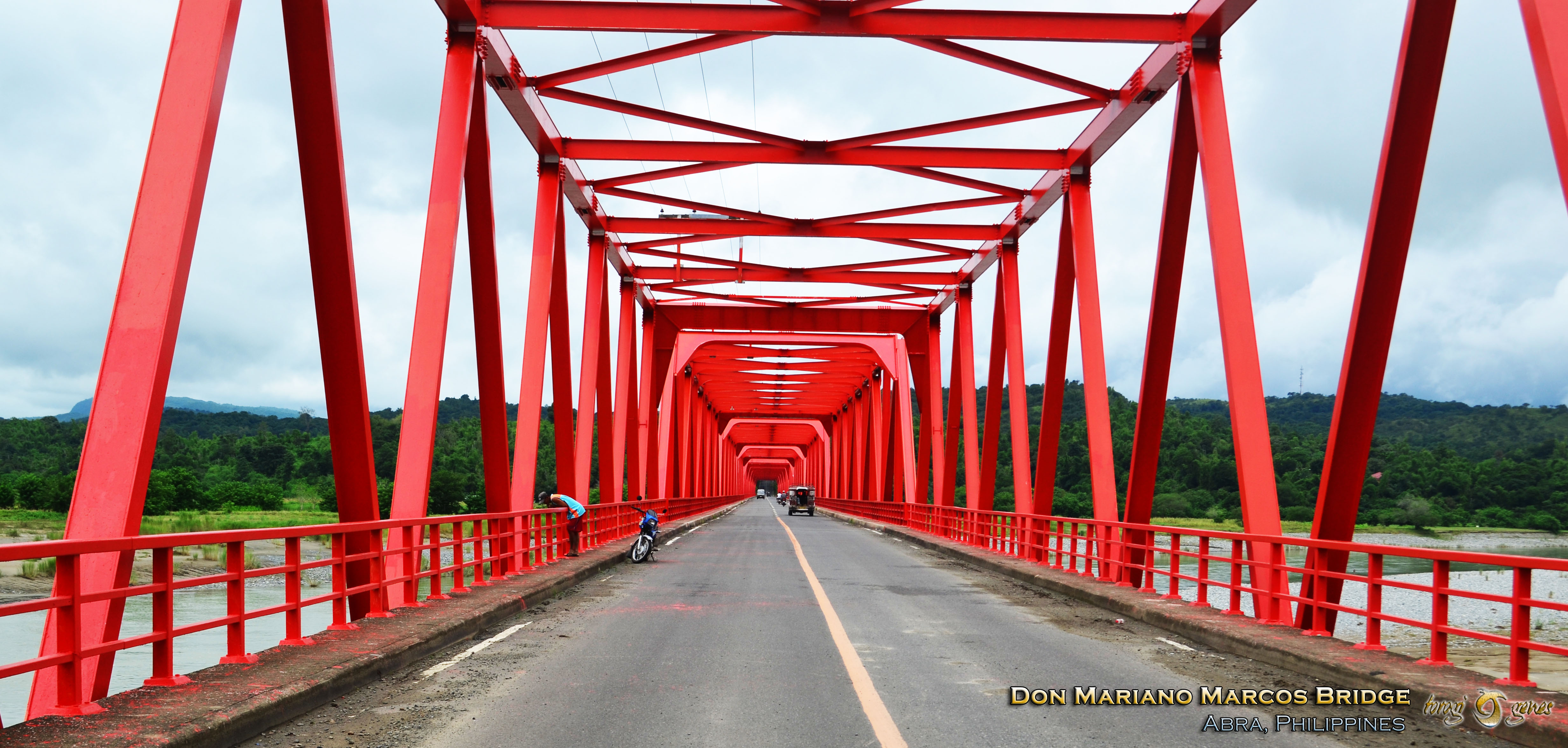
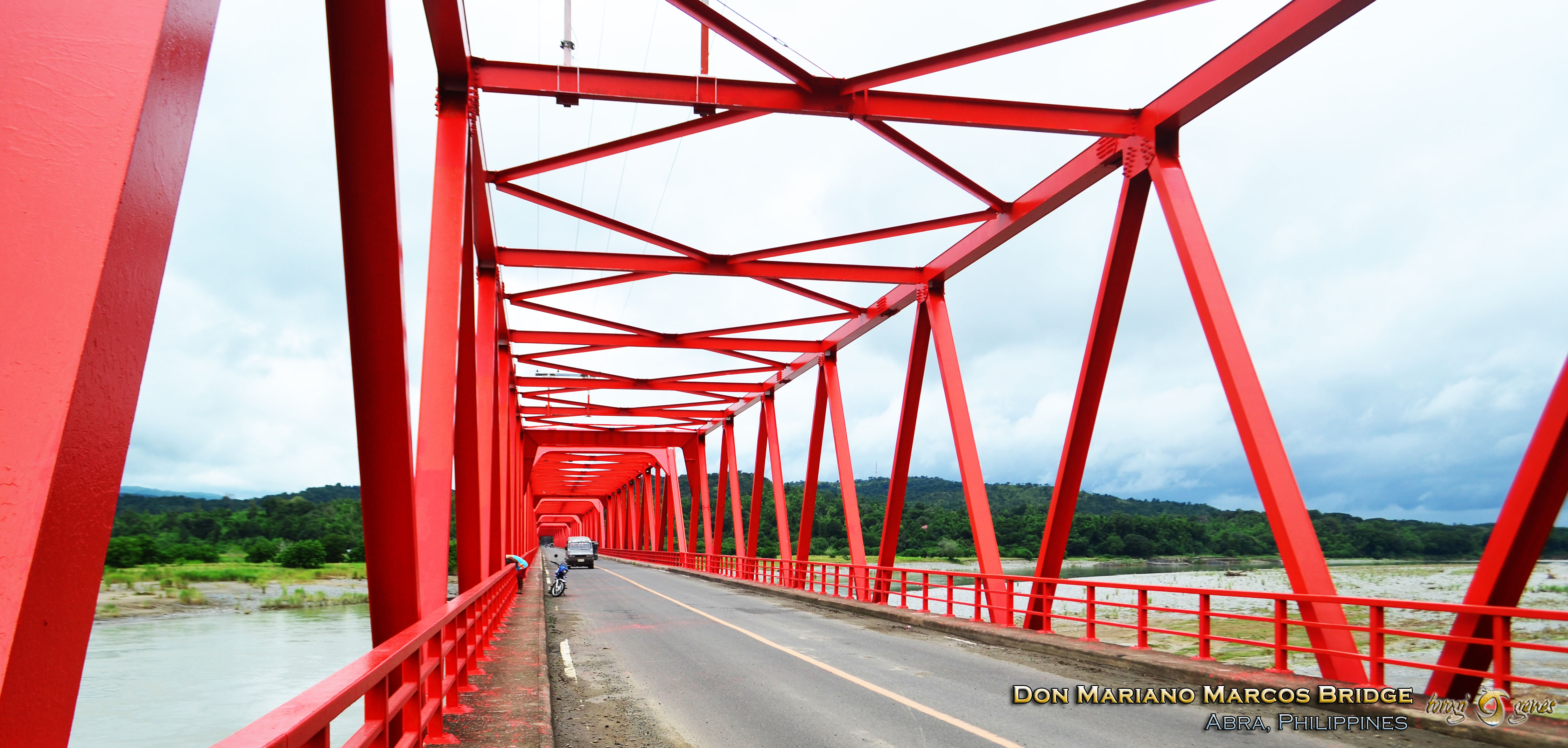
Don Mariano Marcos Bridge: 3rd Longest Bridge in the Philippines

As rivers in Abra snakes around the province, the construction of bridges is but necessary to connect towns. One of which is the Don Mariano Marcos Bridge, one of the longest of its kind in the country.

The name of the bridge has a history, unlike other bridges being named to the place where it is located. The bridge was constructed in the early 1970s and when it was about to be completed in 1974, the Provincial Board and the Mayor’s League of Abra inked a resolution on 08 February 1974 to “name the new bridge, DON MARIANO MARCOS BRIDGE, in memory of the man, who, during those critical days of the Japanese Occupation saved a vanquished people from the mire of despair into which they were arbitrarily cast by their victors (PD 422, s. 1974).” This was then adopted as Presidential Decree No. 422, series of 1974 when it was signed on 27 March 1974.

The Don Mariano Marcos Bridge is the third longest of its kind in the country. Its total length is even longer than Calaba Bridge spanning 886.812 meters across the Lagben River connecting municipalities of Tayum and Dolores (The Philippine Star, 16 April 2017).

Gallery

Below is the Google Map of Don Mariano Marcos Bridge which crosses over Lagben River.

The bridge is painted with red, giving a warm aura during sunset.


To give justice to the beautiful scenery along the bridge, I have embedded a photo from Marc7travels website (Del Rosario, 2017) below.

Other Notable Tourist Spots in Abra

There are a lot of tourist destinations in Abra with Kaparkan Falls at the helm. Others include Kili Falls, Tayum Church, Cassamata Hill National Park, Tayum Church, Apao Rolling HillsSibud-Sibud CaveLibtec Crystal Cave, Calaba Bridge, Piwek Rock Formations, Tangadan Tunnel, and many more.

References

Del Rosario, M. (2017). Aba! Abra! Aba! (Unlocking Abra’s landlocked beauty). Accessed on 27 June 2019 from https://www.marc7travels.com/marc7-travels-blog-entries/aba-abra-aba-unlocking-abras-landlocked-beauty.

Presidential Decree 422, series of 1974. Naming the bridge across the Abra River linking the municipalities of Tayum and Dolores, Abra, as “Don Mariano Marcos Bridge.” Accessed on 27 June 2019 from http://www.officialgazette.gov.ph/1974/03/27/presidential-decree-no-422-s-1974/.

The Philippine Star. (16 April 2017). Uncovering Abra. Accessed on 27 June 2019 from https://www.pressreader.com/.

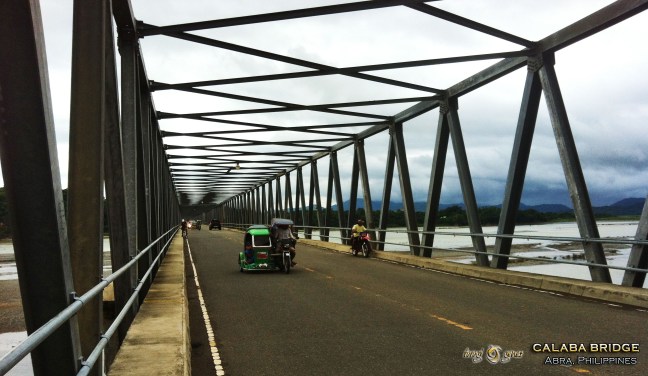
Calaba Bridge: Connecting People

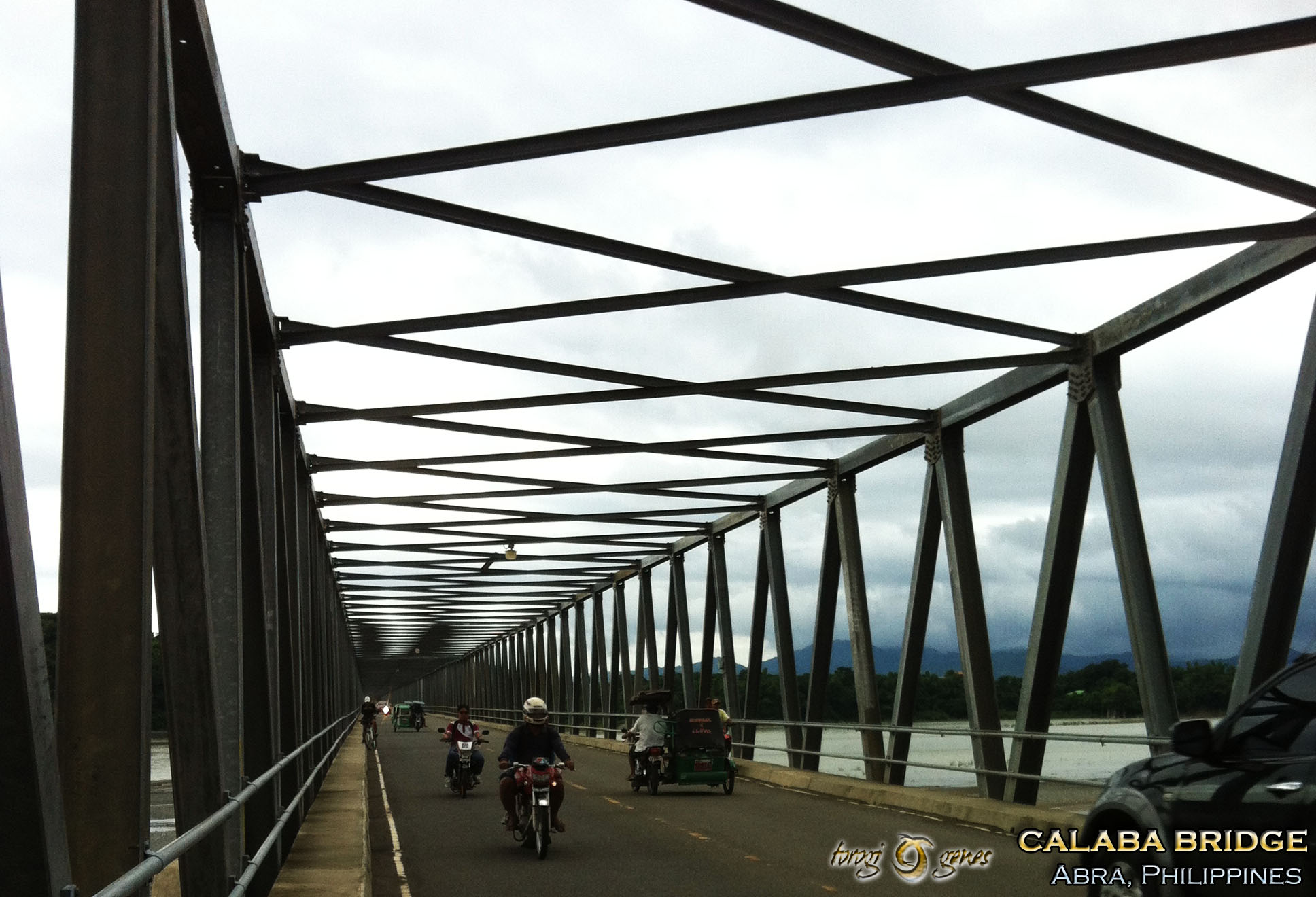
Bridges are primarily built to connect places with a body of water or a ravine in between. However, the case of Calaba Bridge, the longest Modular Bridge ever constructed of one Austrian company, connecting towns of Abra, has also become a tourism fixture along the Scenic Abra river.

Before its construction, the people need to cross the Abra River to go to the other side using a ferry. This, however, posed danger to the people during rainy season where the water is turbulent. Further, transporting heavy trades and goods along the river is quite expensive as well as time and effort consuming.

Project Details: Waagner-Biro

The Calaba Bridge in the Philippines is currently the longest Modular Bridge ever constructed by Waagner-Biro (2012). It measures 900 meters and covers the length of the Abra River. Further, according to the Austrian construction company, for the people of the area, the Calabra Bridge represents a great relief, because, in the past, they were restricted to using a ferry to cross the river which interrupted its service during high waters for safety reasons.

It was completed in the year 2010 under the Department of Public Works and Highways (DPWH) projects and now connects three municipalities across the Abra River, namely La Paz, Danglas, and Lagayan to Bangued and other parts of the province.  More importantly, the bridge serves as a primary link to the provinces of Ilocos Norte and Cagayan, and other urban centers in the region and even cuts driving hours by one hour when connecting to Laoag City International Airport (Benas, 2010) .

Gallery

Satellite image of the bridge from Google Map is seen in the embedded map below.


I took the following image as well as the header image when I visited the province in 2006. Never did I imagine that such bridge of monstrous size is connecting peoples in Abra.


The embedded image below is taken by the Austrian construction company upon its completion in 2010. (Photo source: Waagner-Biro)


To give a different view of the bridge from the two previous images, I embedded another image from Tupang Gala (2015).


Unfortunately, as the bridge has a moderate traffic when I went there, I wasn’t able to take a photo at the middle of the bridge. Here is another embedded image (Cabigas, 2014) to give justice to the allure of the bridge.

Other Notable Nearby Tourist Spots

There are a lot of tourist destinations in Abra with Kaparkan Falls at the helm. Others include Kili Falls, Tayum Church, Cassamata Hill National Park, Tayum Church, Apao Rolling Hills, Sibud-Sibud Cave, Libtec Crystal Cave, Don Mariano Marcos Bridge, Piwek Rock Formations, Tangadan Tunnel, and many more.

Reference

Benas, B. (2010). Calaba bridge links Abra, Baguio Midland Courier, 2. Accessed on 27 June 2019 from http://www.baguiomidlandcourier.com.ph/abra.asp?mode=%20archives/2010/may/5-2-2010/abra4.txt

Cabigas, E. (2014). A 900 meter bridge over stunning scenery in Abra. Accessed on 27 June 2019 from Langyaw website http://langyaw.com/2014/08/17/900-meter-bridge-stunning-scenery-abra/.

Tupang Gala. (2015). Bangued: Calaba Bridge, bridging hope for Northwestern Abra. Accessed on 27 June 2019 from Tupang gala website http://www.tupanggala.com/calaba-bridge/.

Waagner-Biro. (2012). Calaba Bridge. Accessed on 27 June 2019 from Waagner-Biro website https://www.waagner-biro.com/en/divisions/bridge-construction/references/reference/calaba-bridge.

I AM BUT A MOUNTAIN BOY

I am but a mountain boy. That is a fact. I was born, grew up and finished my studies, and even worked for nearly a decade in the mountainous part of the northern Philippines. And yes, not a mountain man but a MOUNTAIN BOY. Now, this boy in me wishes again to bivouac under the bright stars, to feel the cool breeze, and to tread the grass-strewn and shaded paths [or no paths] of the boondocks.
Cry as you might but not of fear nor sorrow. Cry as much with a light heart
The rocks, trees, grasses and soil of the mountains have always been a mute witness to my life’s transitions, aches and gladness. To the mountain I go when I am stressed from the hustle and bustle of the city life. To the mountain I can ultimately cry all the anguishes in my life. When I want to shout for joy to the mountains I go.
A mountain of rock! I takes years before it succumbs to its natural degradation, then the trees will invade [if humans will not do it first].

 
This is a typical cloud kissing the mountain. You’ll be in a great treat if you’ll see a sea of clouds. Such is common among the Philippine mountains at the northern part.
These behemoths are unconquerable when you hike through it. Most social media posts after a mountain hike would be like “I conquered Mt. Pulag” or “I beat the tough Mt. Guiting-Guiting”. A real mountaineer would know better than these social media-hyped and [almost] cheesy quotes. It is not the mountain that we conquer—we could never do that. It is ourselves that we conquer when we climb mountains. It is us that the mountain conquers! We bow down to the earth as the ache in our legs are felt. We gasp for air as our body needs more oxygen from exertion. We take refuge on its rock crevices and flat plains in our need for physical rest. We cry from the color of the sunset, the squeaks and chirps of the forest insects, the gentle curves of the mountains, and even the sheets of rain and network of lightning bolts. We conquer ourselves as we go beyond what we thought is our limit. Yes, the mountain is conquering us as we abide by its physical rule.
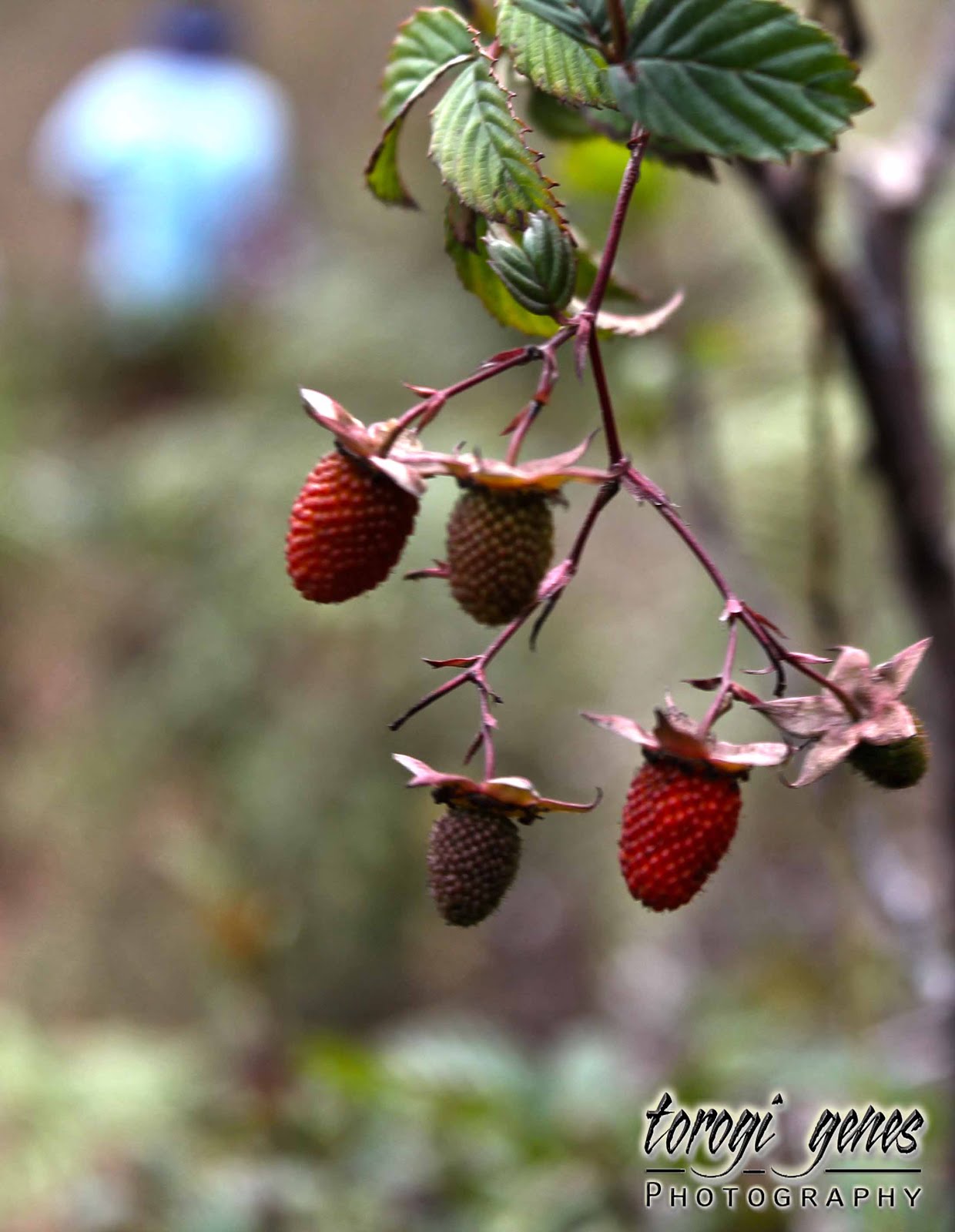
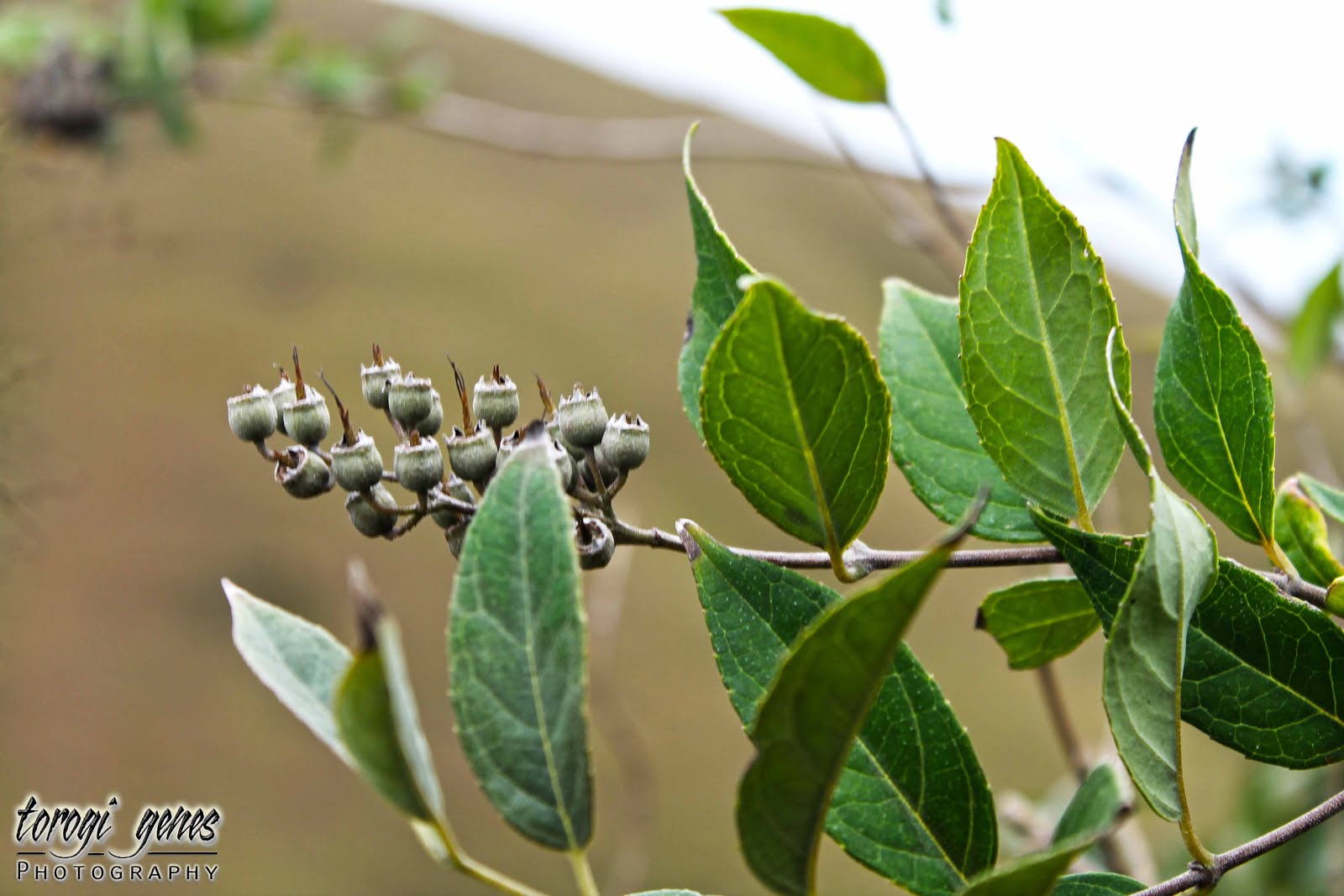
At the mountains, you will also see different fruit that would make you wonder if it is edible or not. This one in particular is a peculiar fruit. Crush it, lit a fire on it and it will burn.
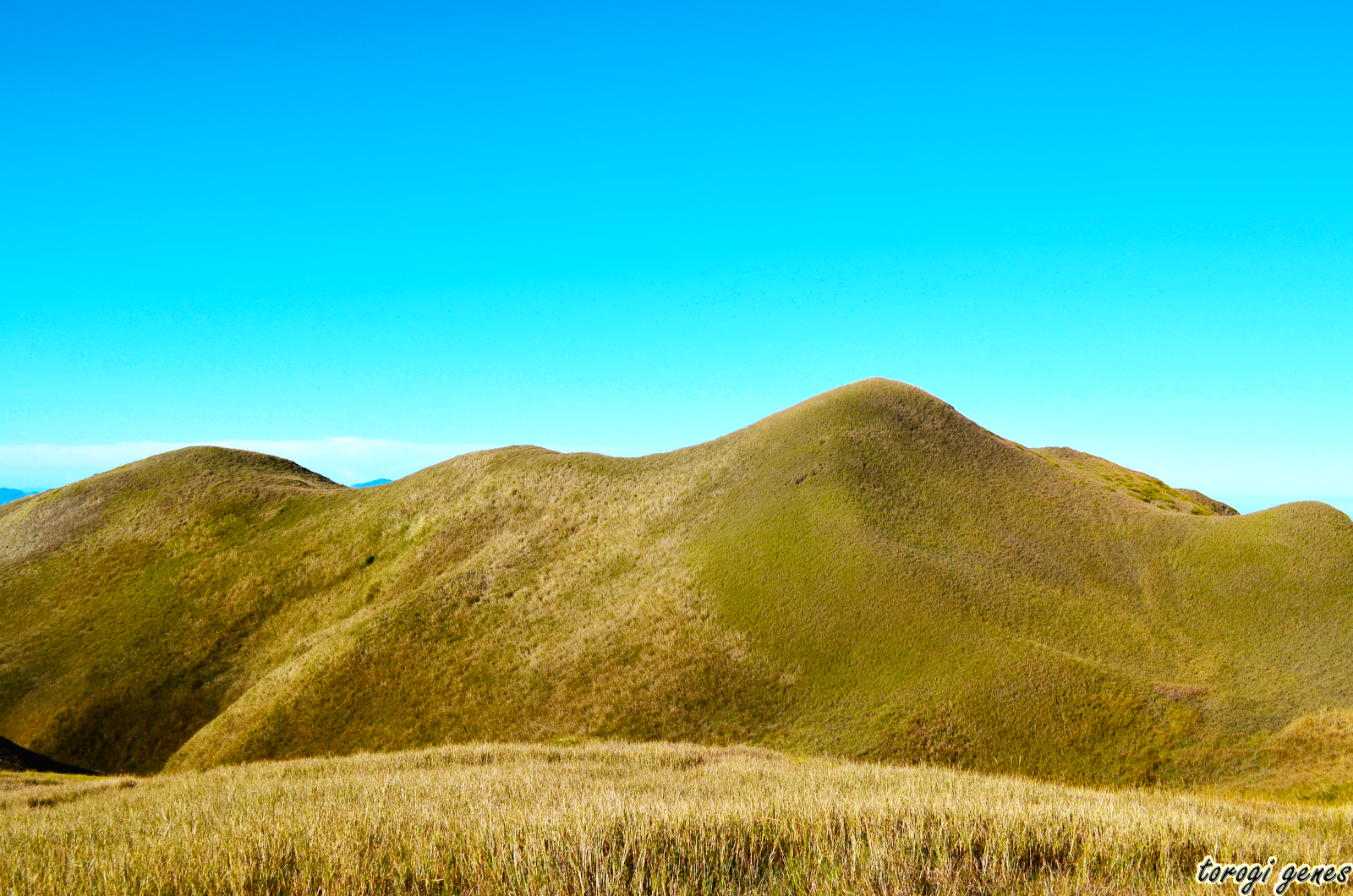
One of the most beautiful peaks in Philippine mountains, Mt. Pulag. You could spend hours lazing on the grass as you behold nature at its best.
This exertion, both physical and psychological, keeps our health in tune. Evidences on the good effects of mountain hiking have always been there. Cardiovascular, respiratory, muscular, lipid profile, well, almost on all aspects of our life. There are a lot of success stories in the internet about getting fit, thanks to the hills and even to 9/9 hiking destinations. I have seen a lot of slow-paced hikers who moans from body pains, complains of never going back again in the mountains, and outbursts of expletives during the trek. Then [lo and behold!], at the peak of the mountain and/or after the trek, they would ask for the next hiking destination. It is addicting.
Yes, it gets cold, and very very cold. Be prepared.
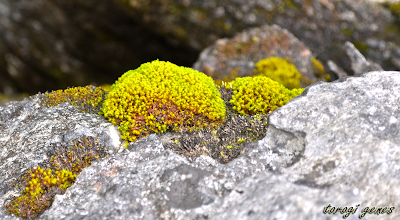
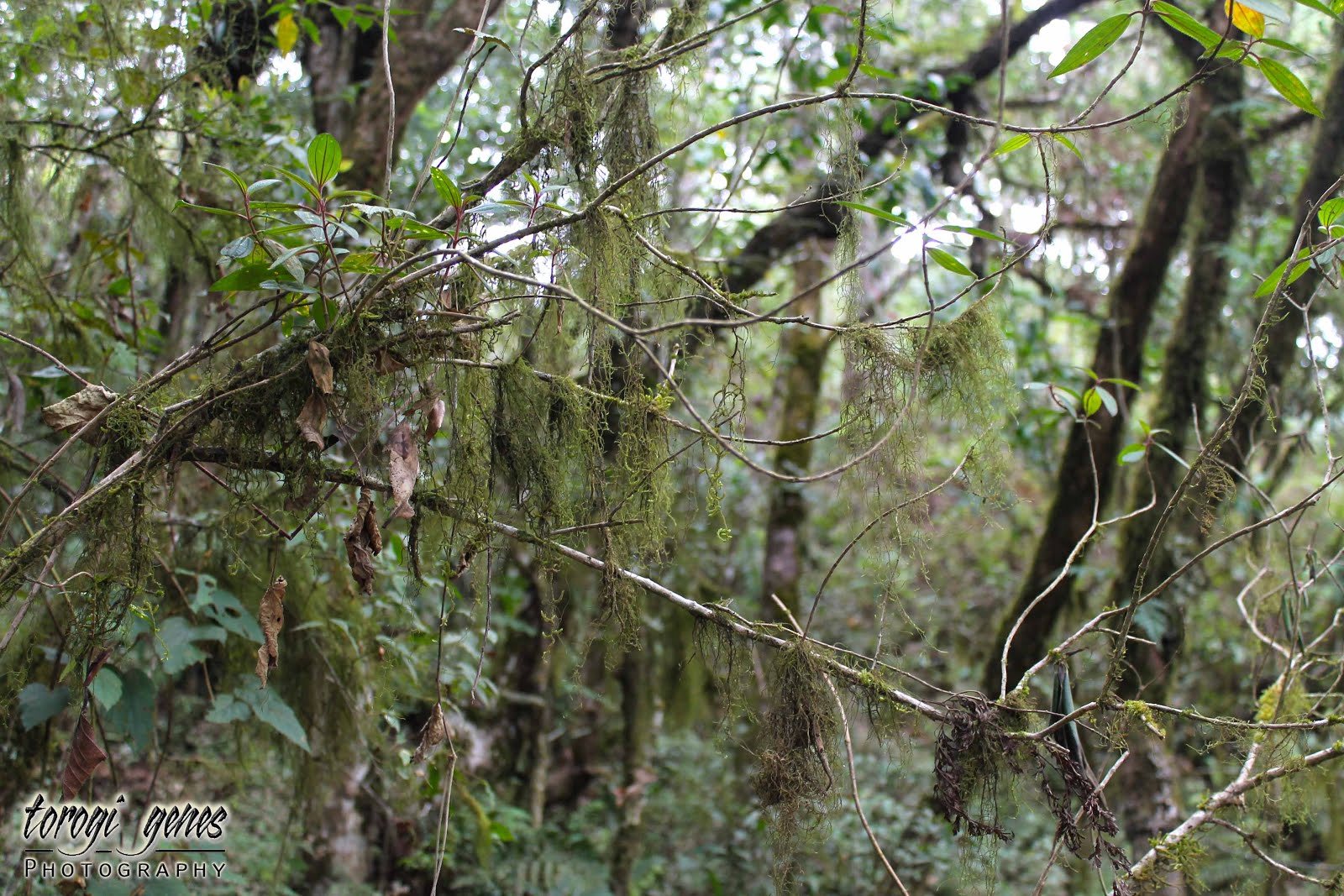
According to the BBC, in places where no lichens are growing, it is often a sign that the air is heavily polluted with sulfur dioxide. The presence of a bushy or a leafy lichen indicates that the place has a clean air. Next time you go a-climbing a mountain, check them lichens!
I grow as I get to know more of the mountains. I kept maturing as I see the law of nature. I widen my horizon as I get to hear stories around bonfires and along footpaths from people of different colors, race, creed, religion, and language. I learn more as I go to the mountain. Yes, I still weep and get that open-mouthed awe when I see wonders of this world and how minute we are in this world when I get to a mountain peak. Well, I am but [and just] a mountain boy.

FARMER’S DAUGHTER RESTAURANT

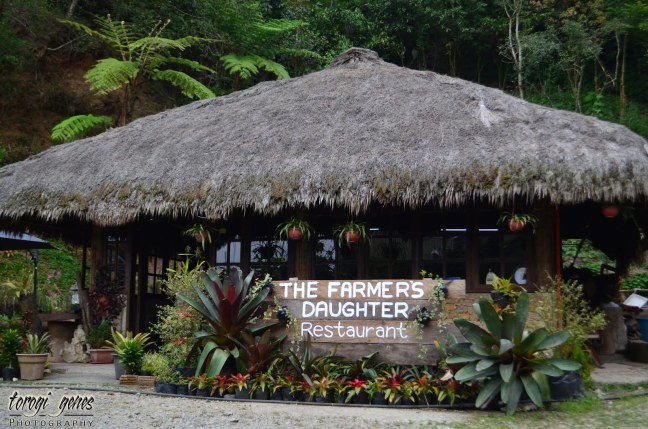
Eating at Farmer’s Daughter Restaurant would always give me that authentic, homey, Cordilleran feeling. Recently opened, it is already getting special place in the tummies of locals and highland visitors and making exemplary ratings among online cuisine and travel sites.

 
Location:
Tam-awan, Longlong, Baguio City, Philippines (just beside the entrance of Tam-awan Village).
Dining Hours:
9:00AM-8:00PM
Contacts:
Telephone: (074) 661 4384
How To Get There:
Just hail a cab along the Central Business District of Baguio; do not forget to tell the driver that it is just beside the Tam-awan Village entrance.
 

You might be wondering why a restaurant has found a place in this non-cuisine travel blog. Well, it could easily be justified that it is probably the only restaurant in Baguio City that exclusively offers pure authentic Cordilleran dishes in a rustic, homey, traditional environment. There are no non-Cordilleran dishes in their menu; a Cordilleran diner would likely notice that the dishes are of Ibaloi cuisine. Some of their offerings are featured below.

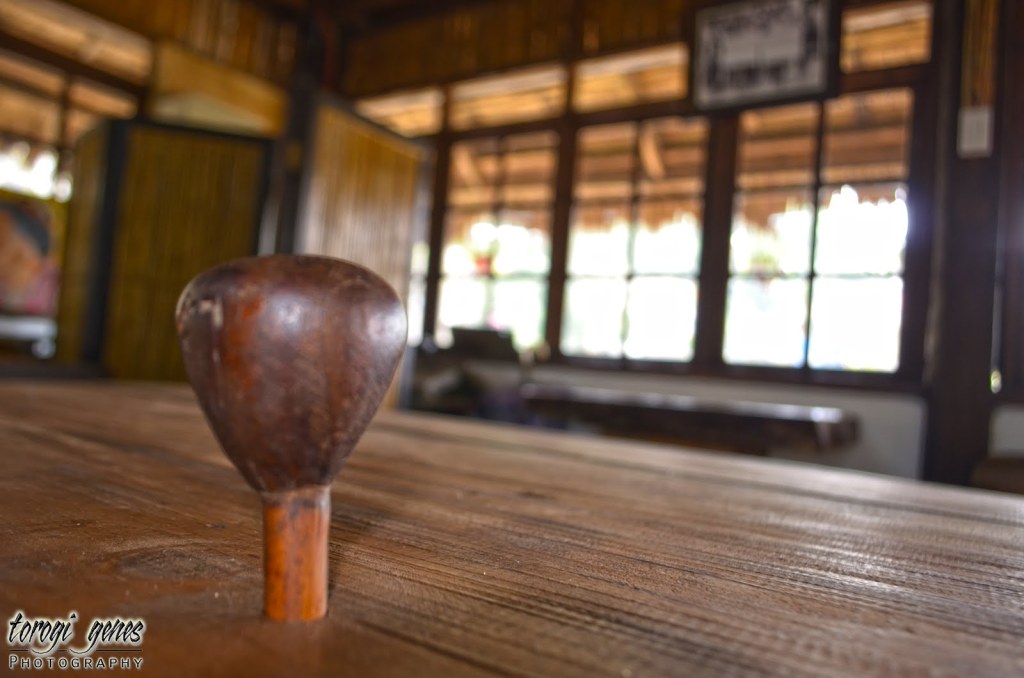
This table appendage confounds diners of its purpose; been there myself (LOL). Oh, I won’t divulge the secret behind this seemingly nonsensical portion of this certain table. Ask them when you get there and you will learn a bit about the Cordilleran architecture.

Update: the knob has been stolen by some restaurant client.


Ba-o

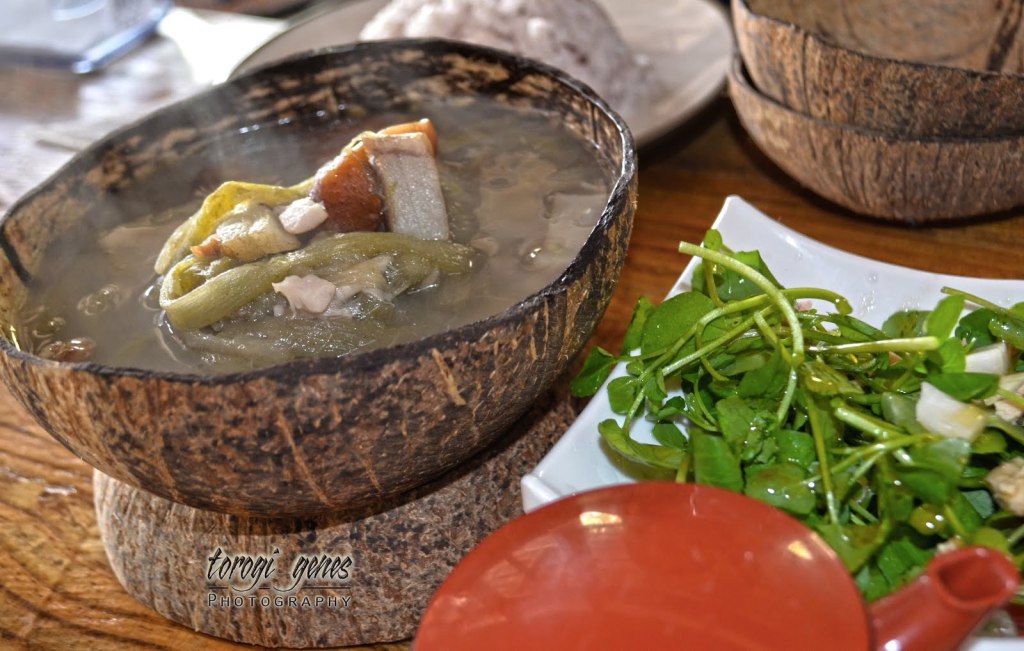
Coconut shells are traditionally used by Cordillerans in many ways. One of its use is seen in their dining table as soup bowls. An advantage of this over its plastic, ceramic, or metal counterpart is that when you hold it you will never get burned when the content is hot.


The foods…

So, let Farmer’s Daughter introduce you to some Cordilleran authentic foods. The following are but some of the entrees in their menu.

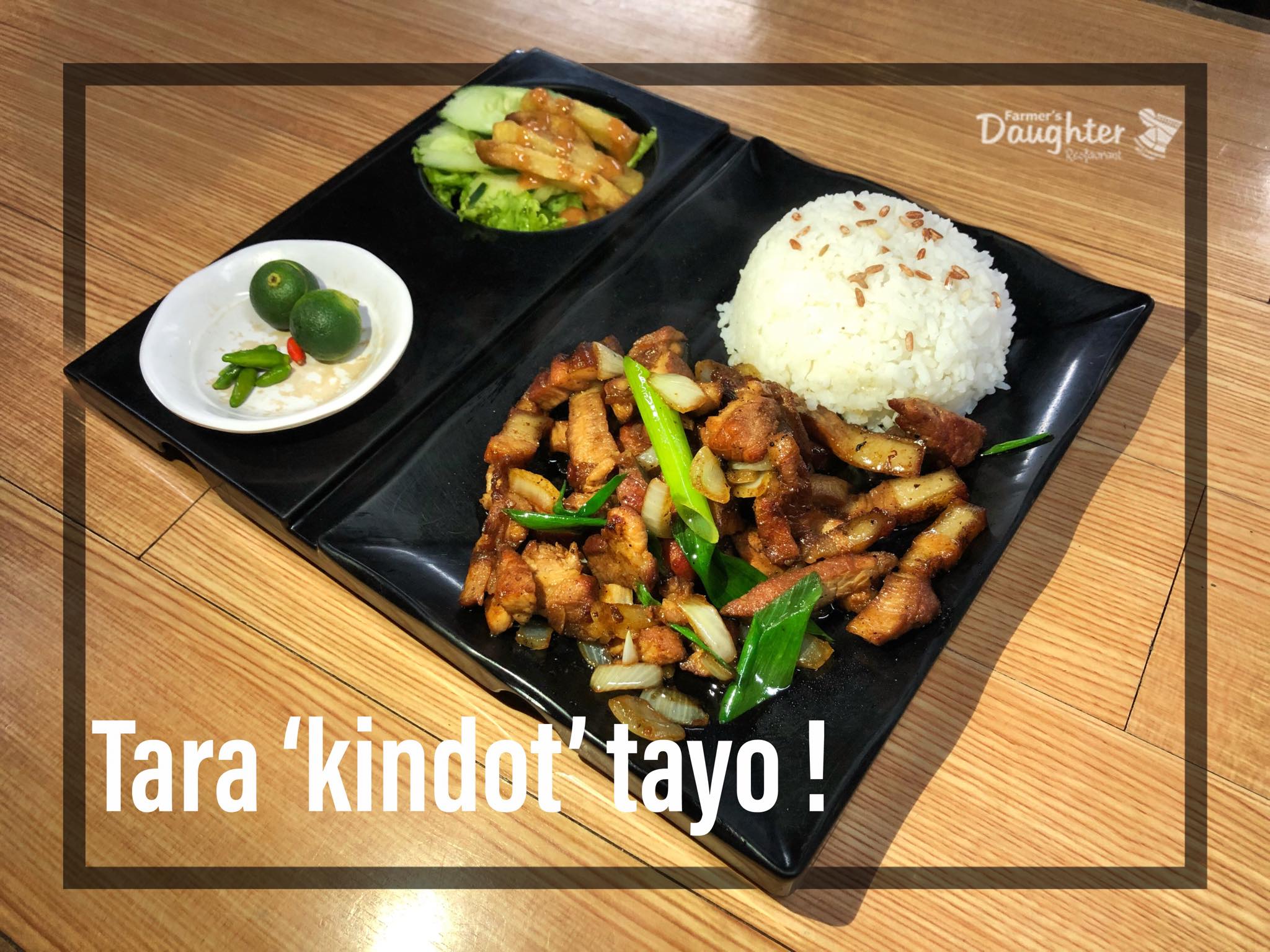
Kindot jen baboy

One of the basics in Cordillera in cooking meat is grilling. The word kindot came from Ibaloi term, meaning ‘grilled’; thus, kindot jen baboy is grilled pork (image below courtesy of Farmer’s Daughter Facebook Page).


Pinuneg

You should not miss this “bloody, yummy” Pinuneg when you order. A more popular cousin of this dish throughout the archipelago is the pork blood stew [dinuguan]. Unlike the dinuguan, pinuneg [blood sausage] ingredients are stuffed inside a cleaned large intestine of a pig, a technique also being practiced in Europe and many parts of the world (image below courtesy of Farmer’s Daughter Facebook Page).


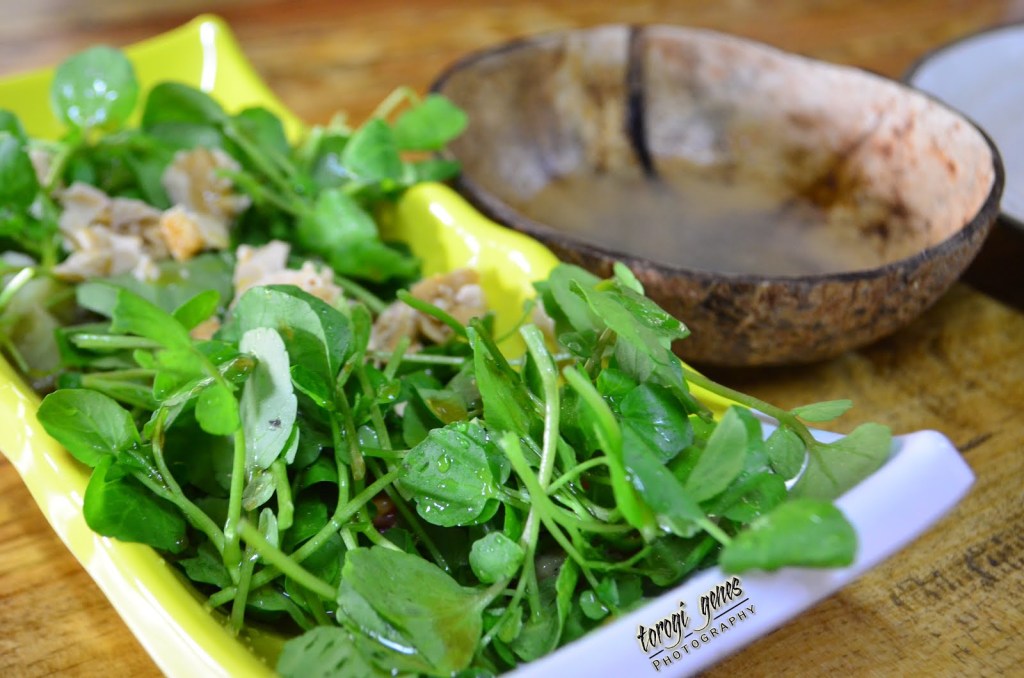
To those who have never tried eating a raw watercress as a salad, this is a good place to try. The fresh watercress salad they offer is seasoned with herbs and spices.


Pising Tan Kinuday

It’s not you’re your typical lowland ginataang gabi, it is boiled taro stalks and leaves with bits of smoked pork meat.


Pak-pako

While some parts of the country only use fern as a decorative plant, some species are actually edible. Both Ilocanos and Cordillerans are knowledgeable of this and the term commonly used are pako, pak-pako, or pak-paku. This edible fern is commonly used as a side salad like how it is served in Farmer’s Daughter (image below courtesy of Farmer’s Daughter Facebook Page).


Kinuday

Kinuday is basically an Ibaloi etag (smoked meat) devoid of salt when processing. In a traditional Cordilleran home, wat-wat (large meat portions given during cañao) are usually pierced with an iron (bamboo or wood are also used), smoked above the traditional cooking fireplace for weeks to months (first image below courtesy of Farmer’s Daughter Facebook Page).


Mix-Mix (Tinadtad)

From its name alone, you know that this is a mix of the meats they are serving: kinuday, pinuneg, kindot, and innards (image below courtesy of Farmer’s Daughter Facebook Page).


There are more delicacies they offer such as Dinakdakan, Kindot Jen Bangus, ampalaya salad, Shanghai Kinuday lumpia, paytoy, and pita among others. They have also included cakes in the menu. The menu is quite pocket friendly. With its cheap prices, you get to taste unique Cordilleran delicacy in a homey, rustic environment. By the way, like in a western home, they use non-fat fresh milk in their brewed coffee.

MARYKNOLL ECOLOGICAL SANCTUARY

MARYKNOLL ECOLOGICAL SANCTUARY

Last updated:

03 August 2016

Location:
25 North Santo Tomas Road, Campo Sioco, Baguio City, Philippines.
Contact Details:
Email: mesbaguio@gmail.com;
Tel. No.: +63 74 424 5745;
CP No.: +63 915 655 5745
Registration Fee:
Php50.00.
Business Hours:
8:30AM to 4:30PM (Cosmic Journey closed on Mondays)
How to Get There:
·         Take a Campo Sioco jeep at the Igorot Park
·         Take a taxi.
·         For private car, drive to Marcos Highway, then take a right turn to North Santo Tomas Road


Description

Revisiting the Maryknoll Ecological Sanctuary had been a nostalgic moment to me as it had been a venue to several self-awareness activities with my students when I was working as a clinical nurse instructor. The stonehenge, the native huts, and concrete benches had been mute witnesses to some of my students’ priceless smiles as they recounted their best life experiences as well as tearful accounting of their struggles and how they coped with it. It is basically the perfect place when you want to unwind, find the inner peace in yourself, or  discover the balance in your stressful life.
The Maryknoll Ecological Sanctuary, a green museum, is located in the City of Pines just a few minute drive away from the hustle and bustle of the central business district. The green museum offers a two-hour Cosmic Journey among its several programs. The Cosmic Journey walks you to 14 stations depicting natural history along its easy trail.
Following the trail gives you a serene feeling that “challenges us to reassess our role and relationship with the Universe, and to refashion our way of life in conformity with nature” (Cosmic Journey, n.d.). This had been the biggest factor why this venue is good for self-awareness activities.
Reminders:

  • Follow the trail as indicated by the map given by the security guard.
  •  Do not pick flowers.
  • Do not vandalize any of the art forms along the trail.
  • Be guided by the Leave No Trace mantra.
Gallery
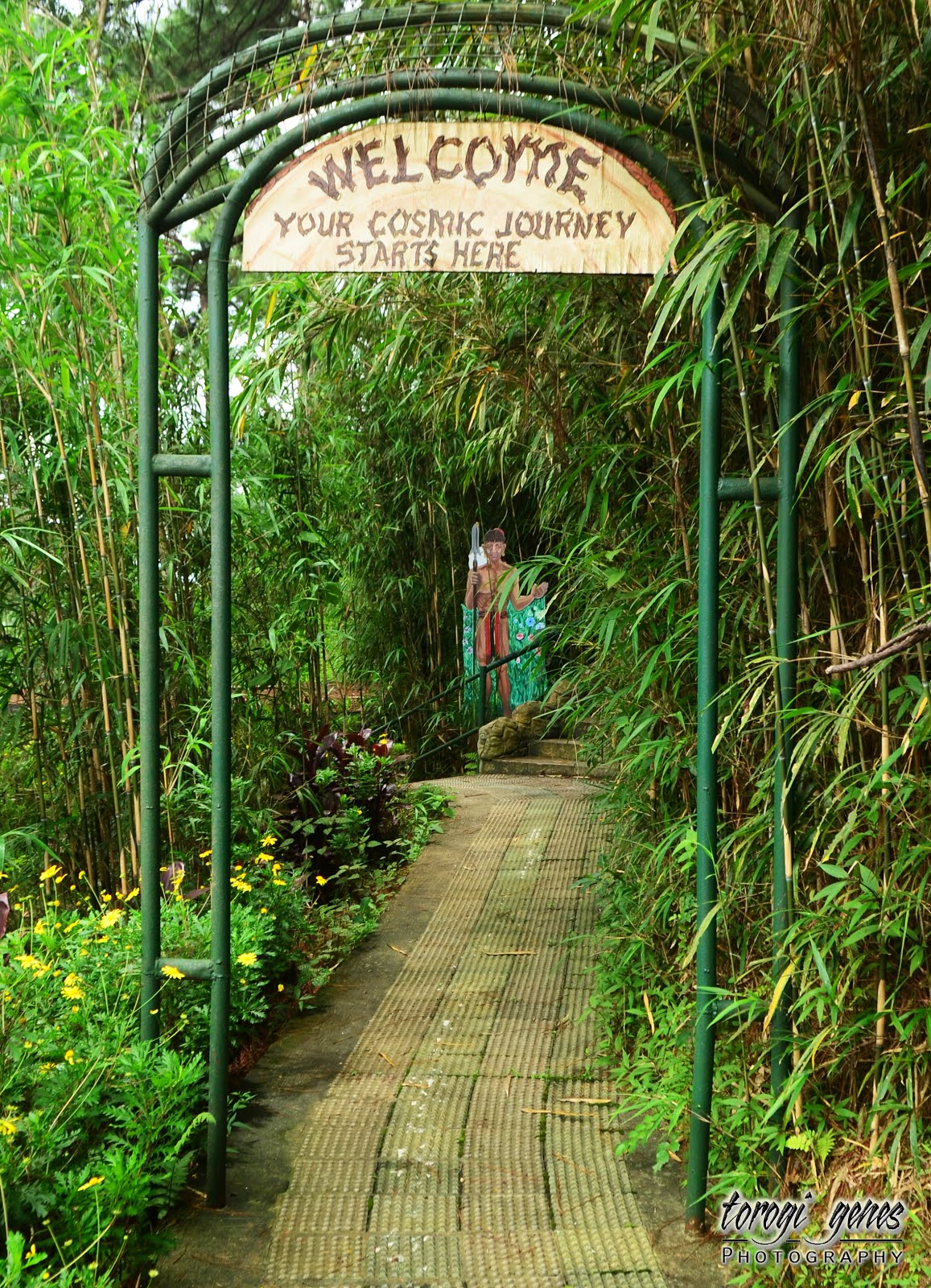
After securing a ticket, the security guard will direct you to the start of the journey.
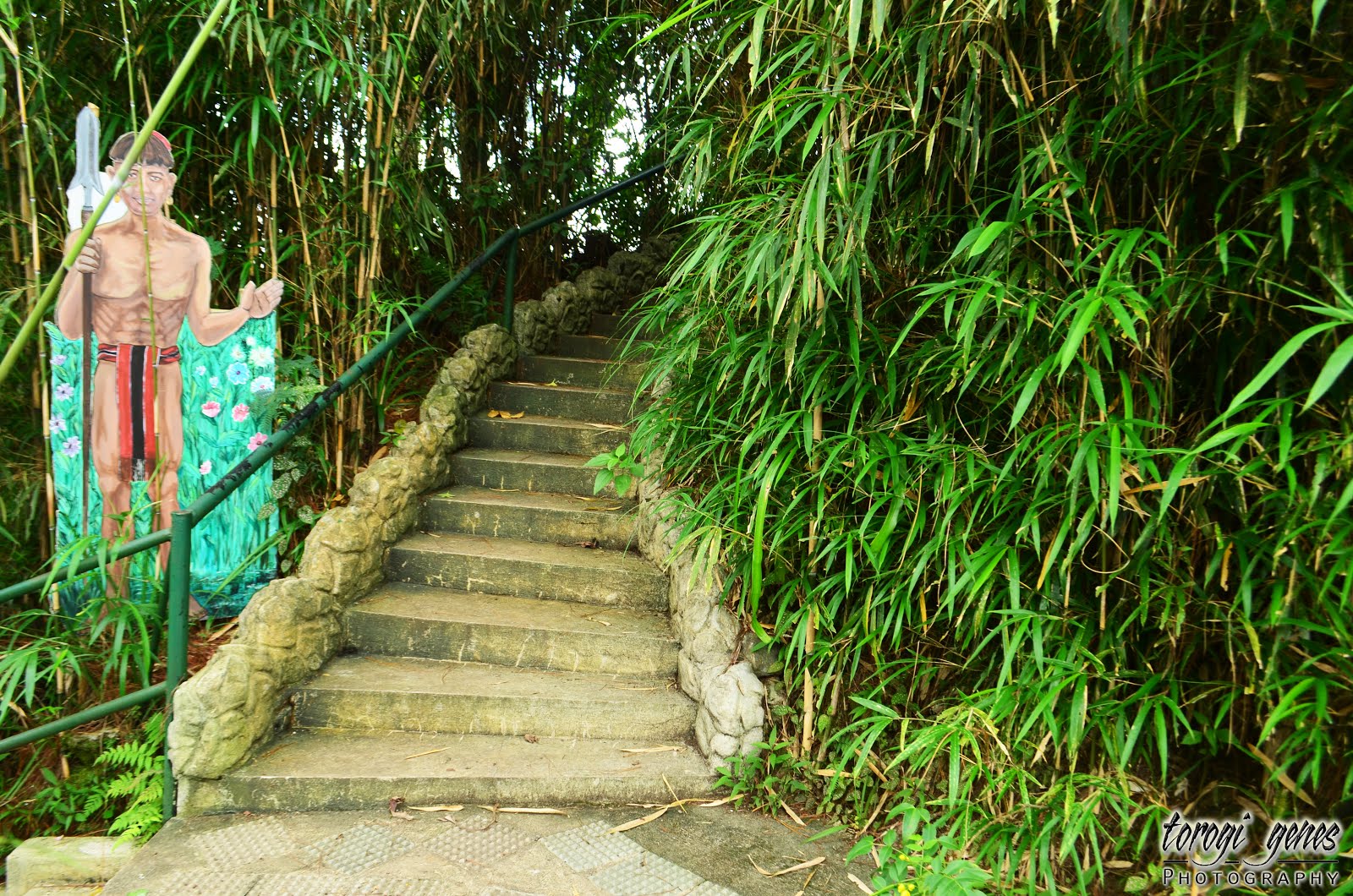
Follow the stairs going up to the right, the left merges with the end of the journey.
You will not be lost as you will be guided by arrows, rails, and caricatures along the trail.
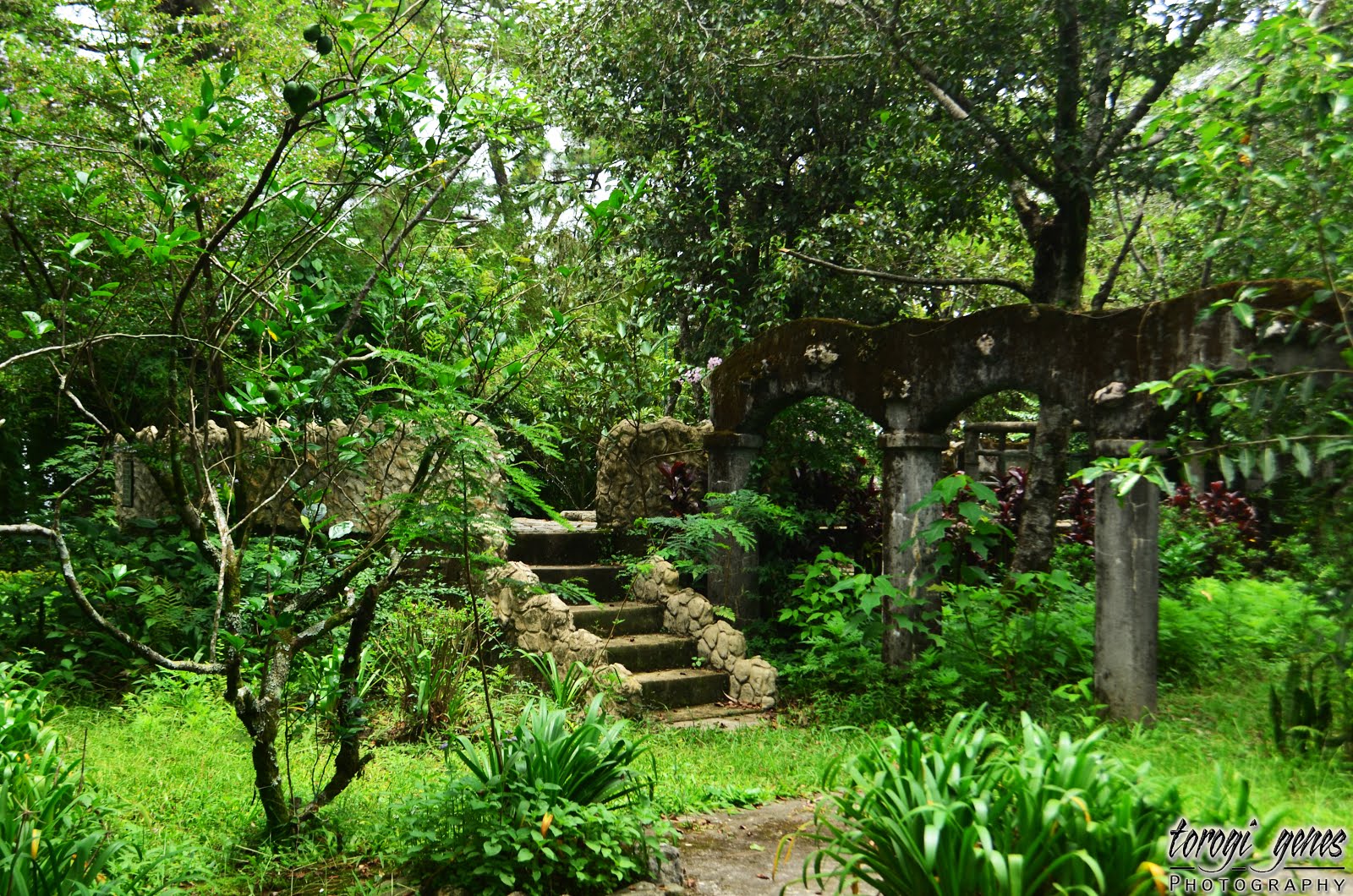
One of the ruins during the 1990s earthquake.
A good place to sit, relax, or even meditate. However, there are even better places along the trail.
Obviously, another building ruin.
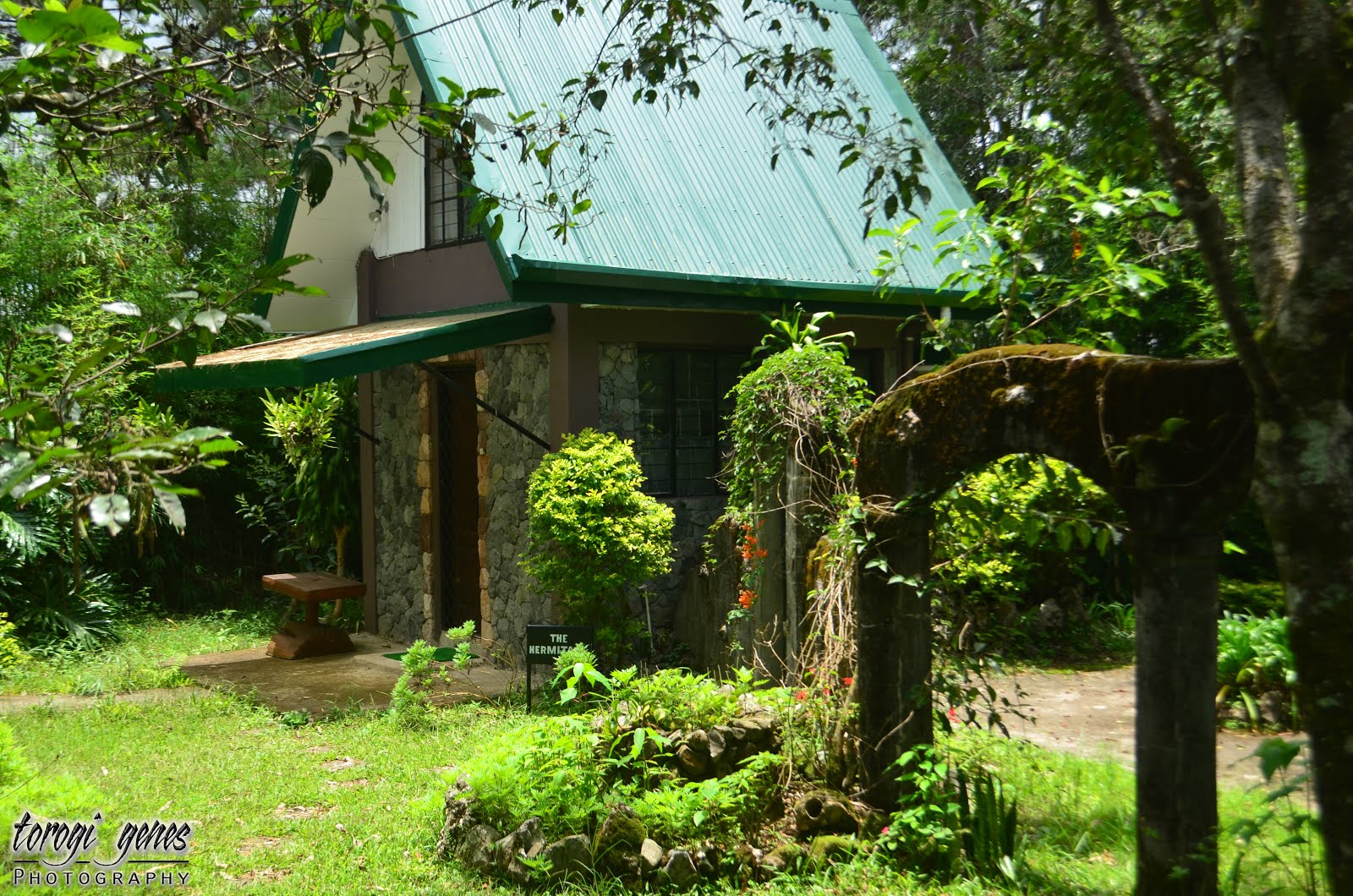
The Hermitage near the ruins.
The first station.
“The universe came into being 13.7 billion years ago.”
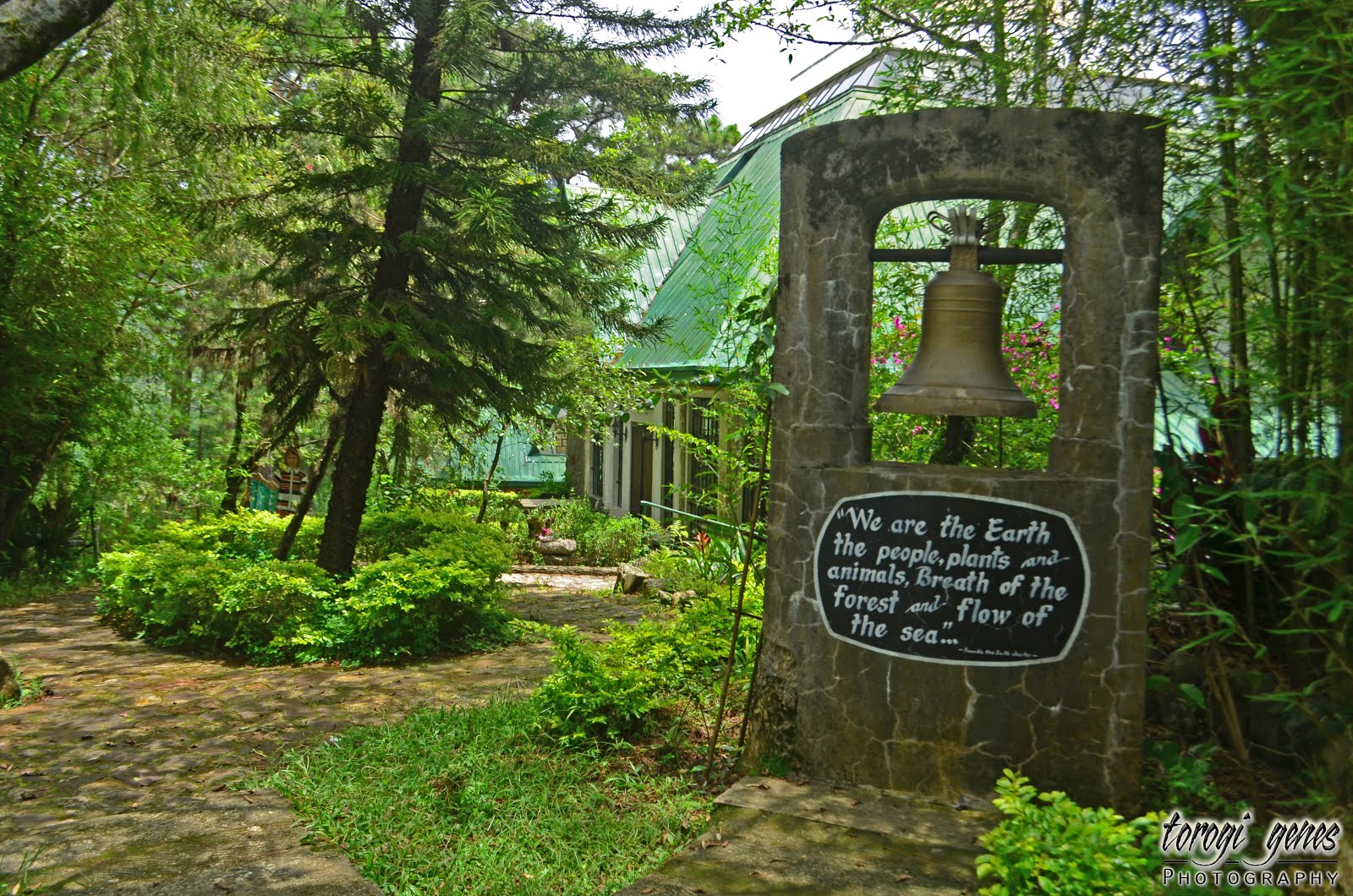
Near the first station is a bell inscribed with “We are the Earth, the people, plants and animals, breath of the forest and flow of the sea.”
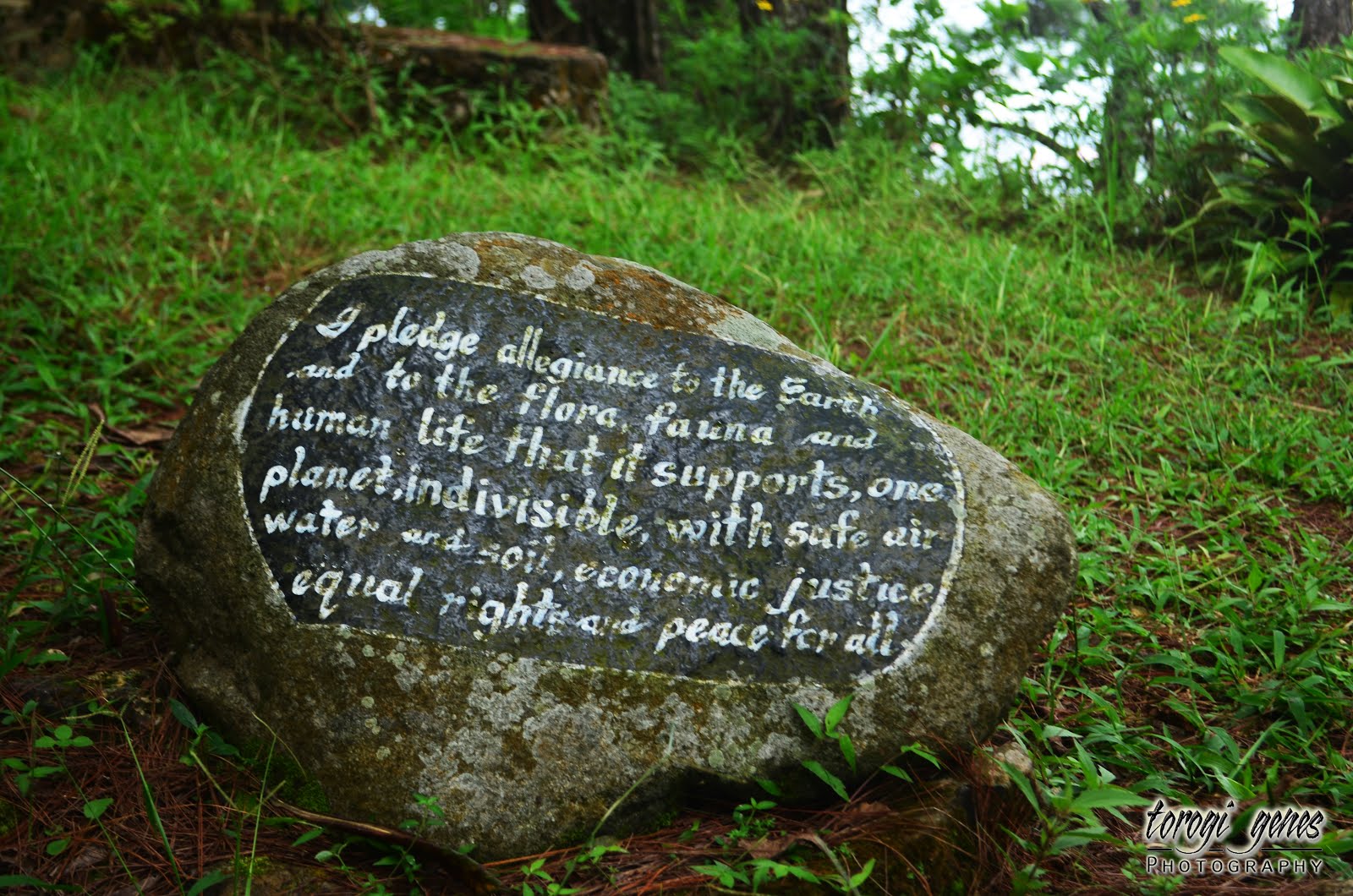
“I pledge allegiance to the Earth and to the flora, fauna and human life that it supports, one planet, indivisible, safe air, water and soil, economic justice equal rights and peace for all.”
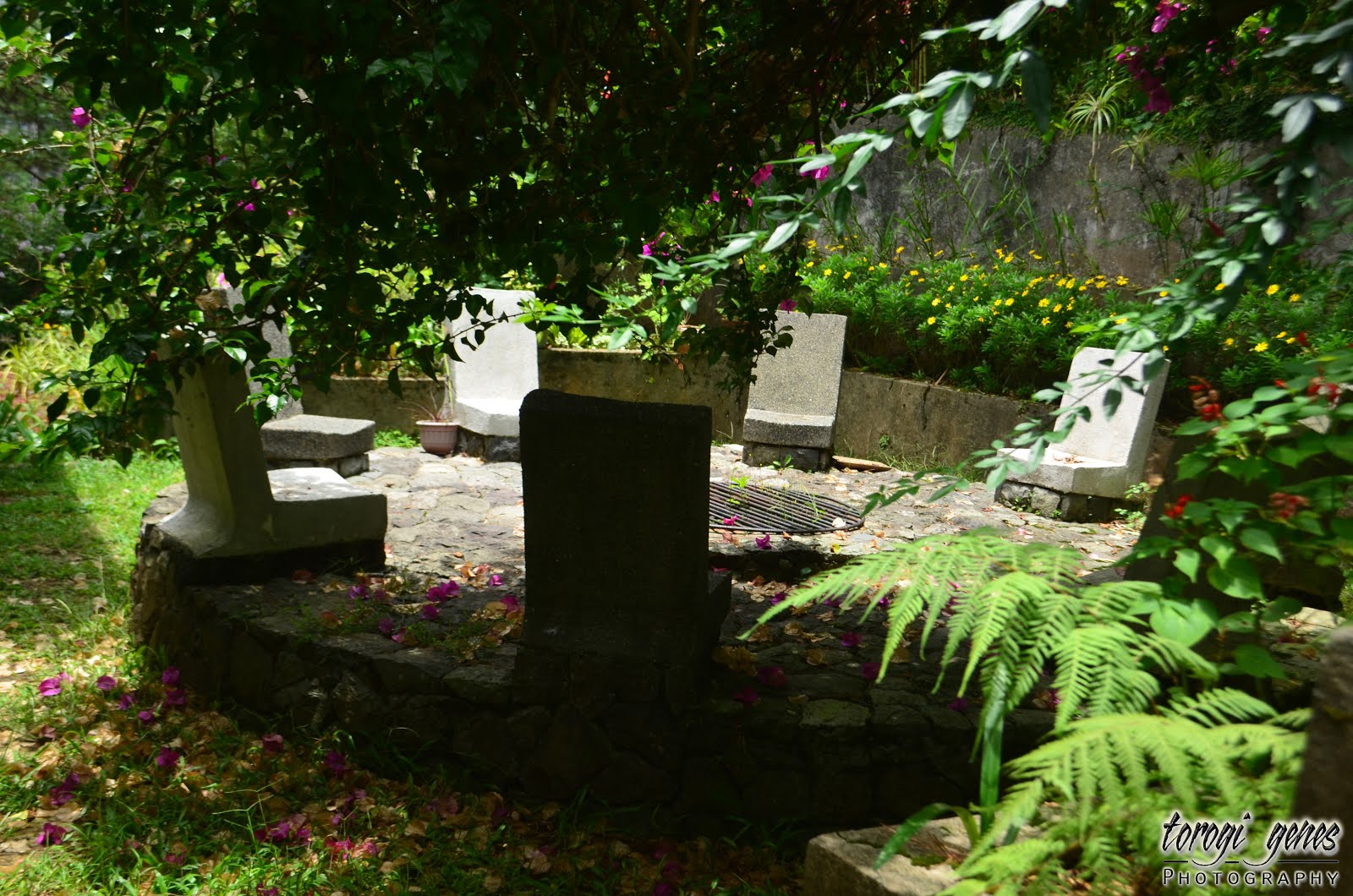
Unfortunately, the concrete chairs arranged in a circular manner is located near a private building. I remember sitting and talking with my students before on those concrete chairs. I just cannot reconcile with my memory if the building was there before.
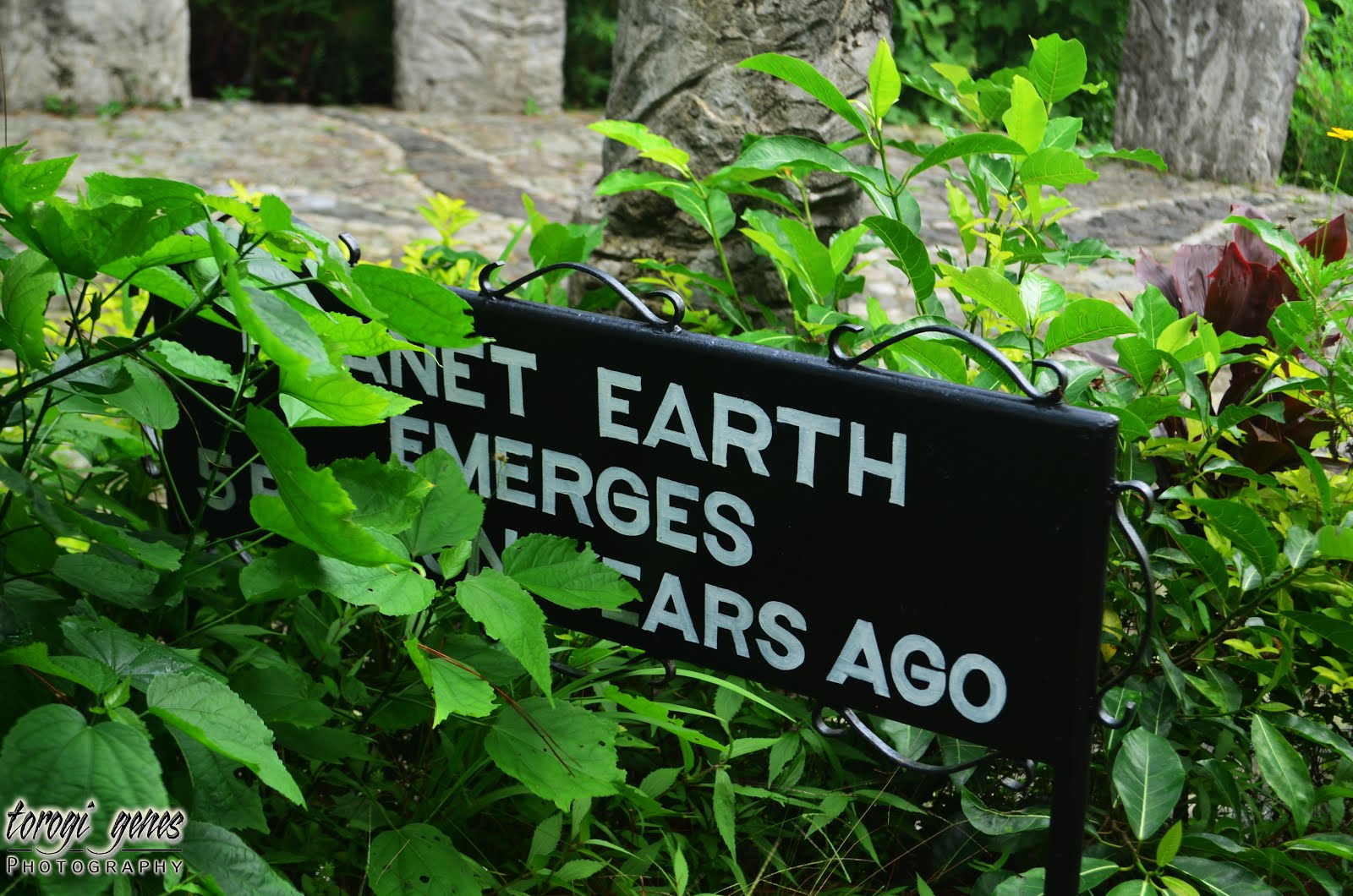
Another station.
“Planet Earth emerges 5 billion years ago.”
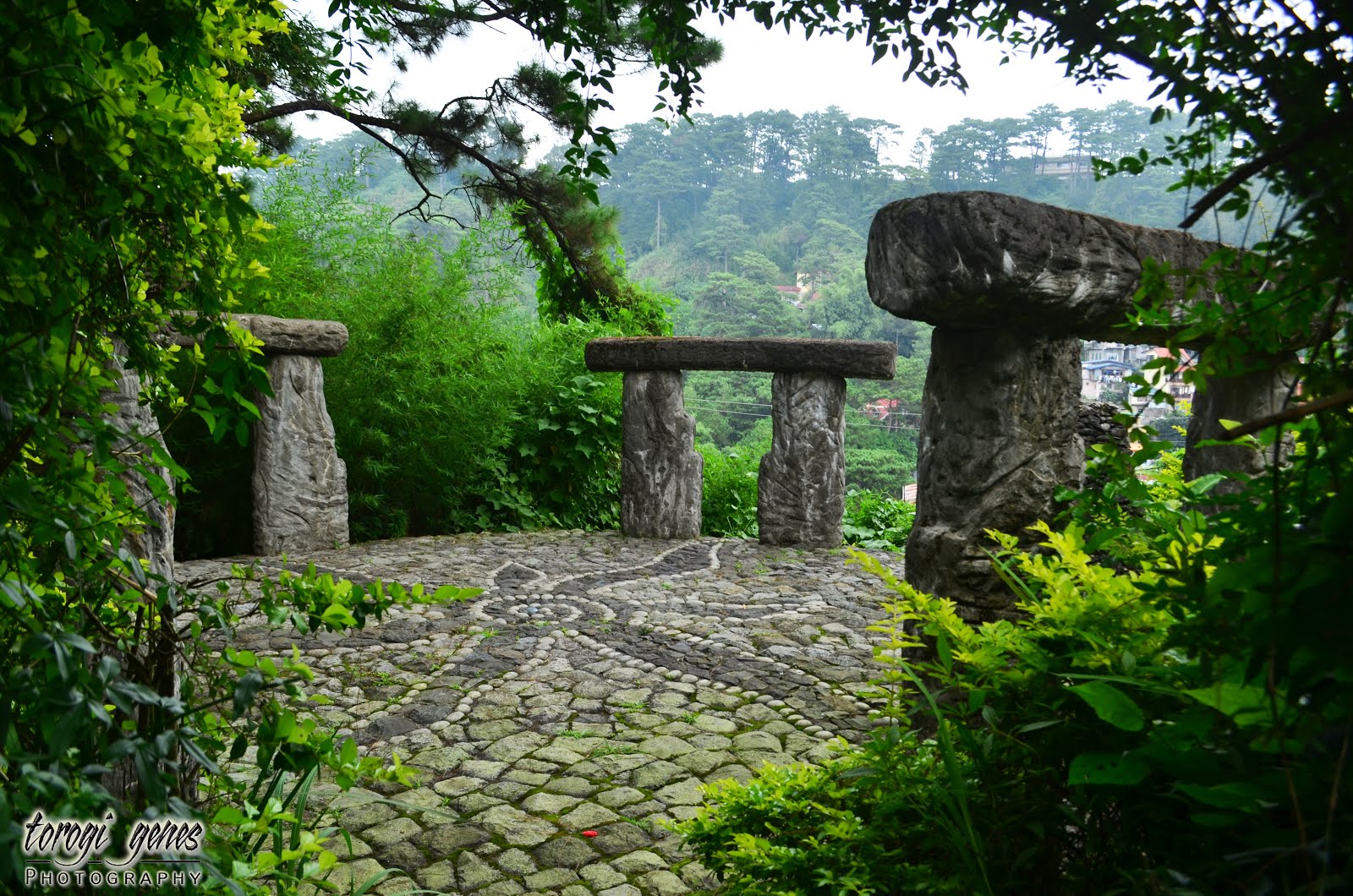
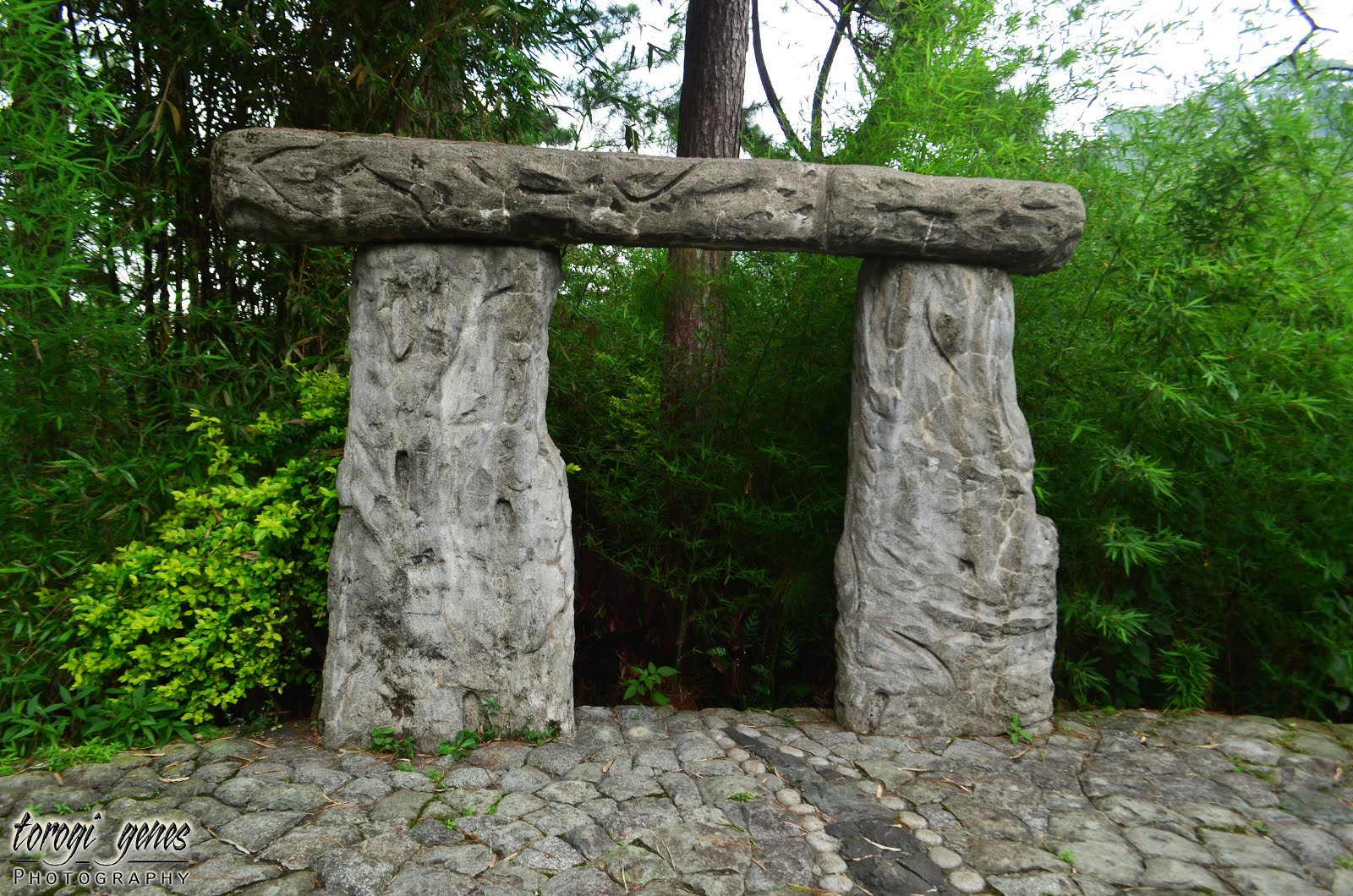
A depiction of the Stonehenge is the center of the second station.
One of the stonehenges. Don’t climb it just to have a selfie.
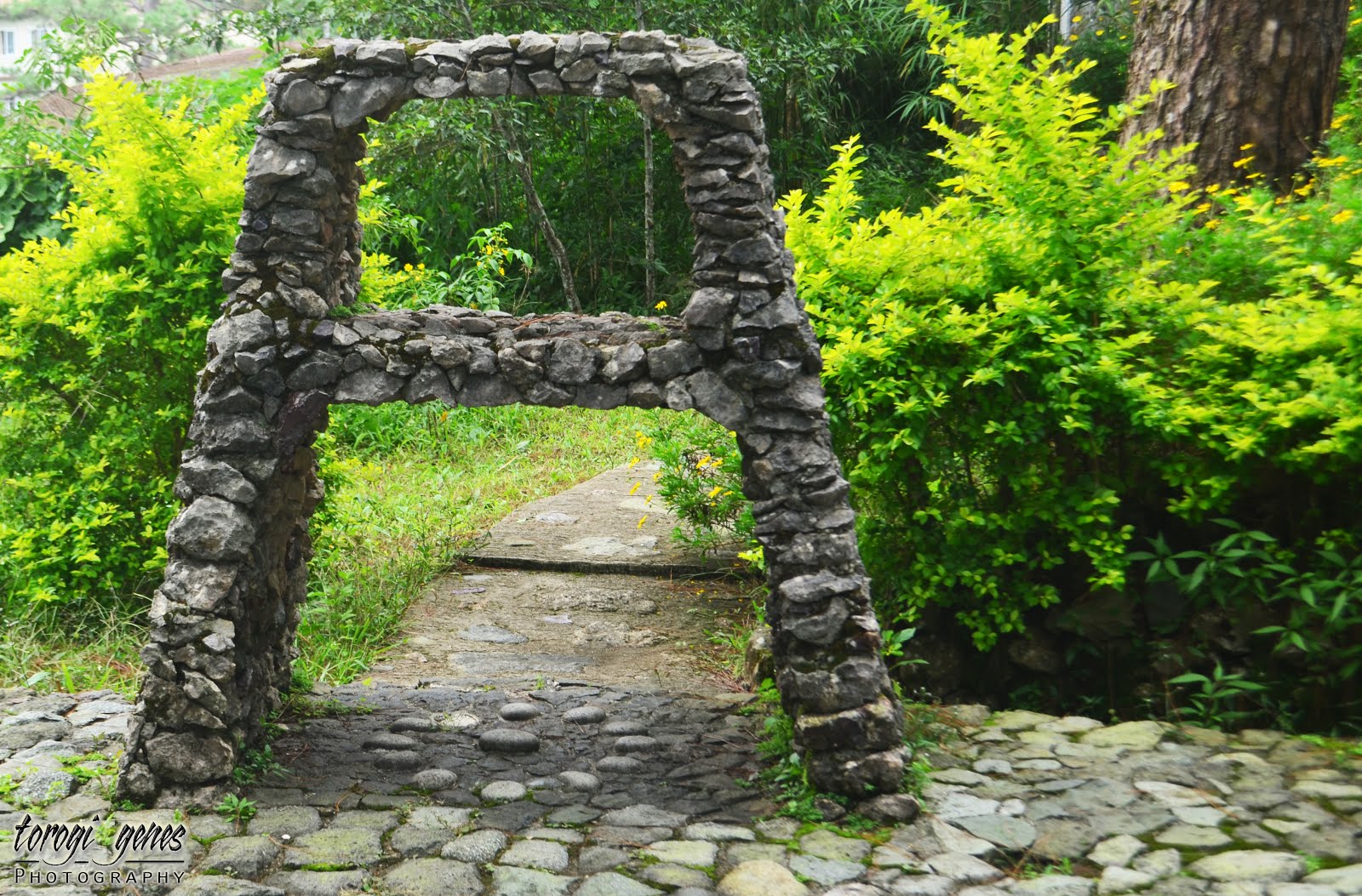
This is also located in the Stonehenge area serving as a gate or entry way.
Another place for chitchat though could only accommodate a few.
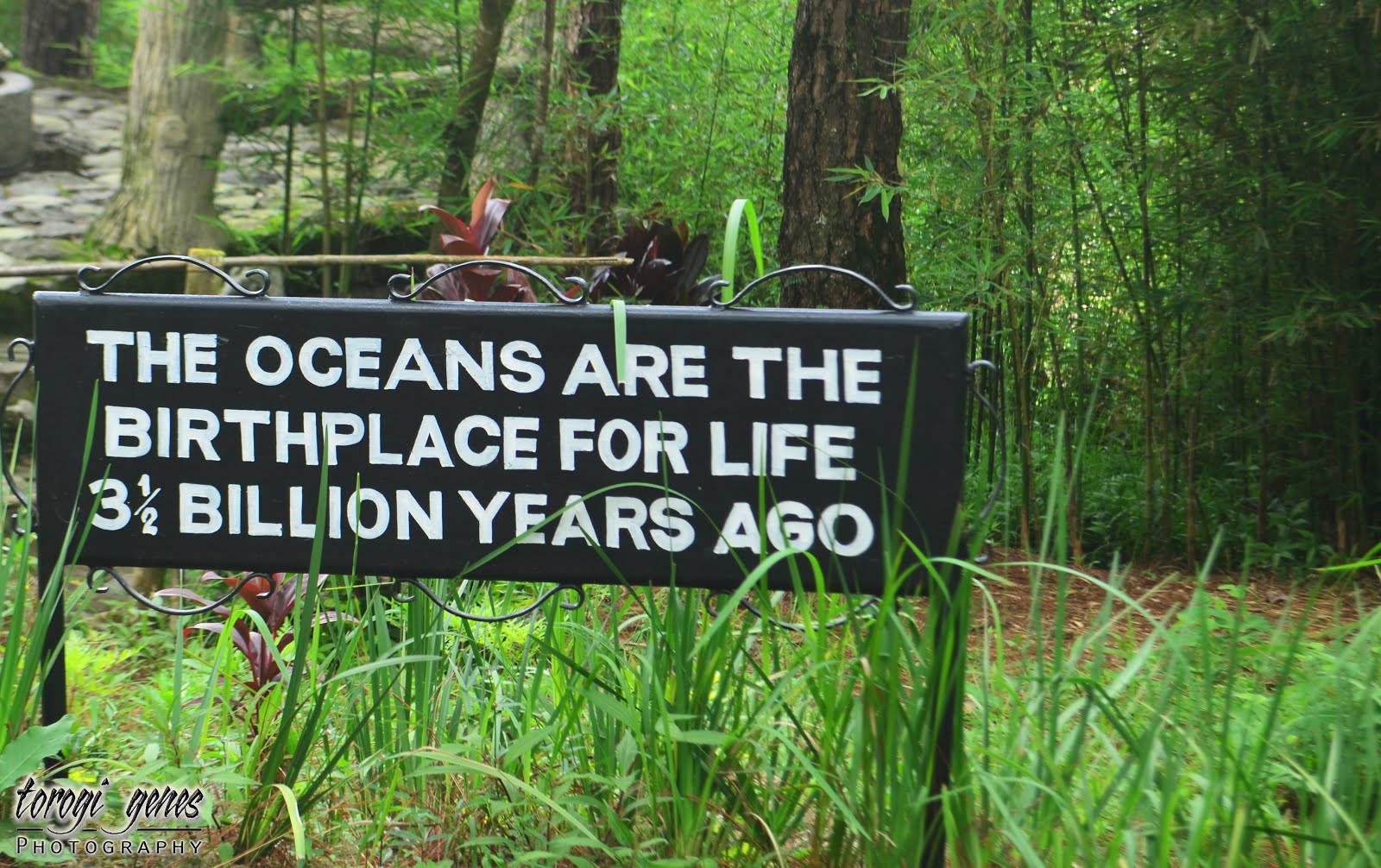
Another station.
“The oceans are the birthplace for life 3 ½ years ago. “
Adorned with shells, the min-pool at the center gives connection to the station. I remember burning papers inscribed with my students’ bitter memories here, a symbolic act of letting the bitterness of those memories go as we go on in our life.
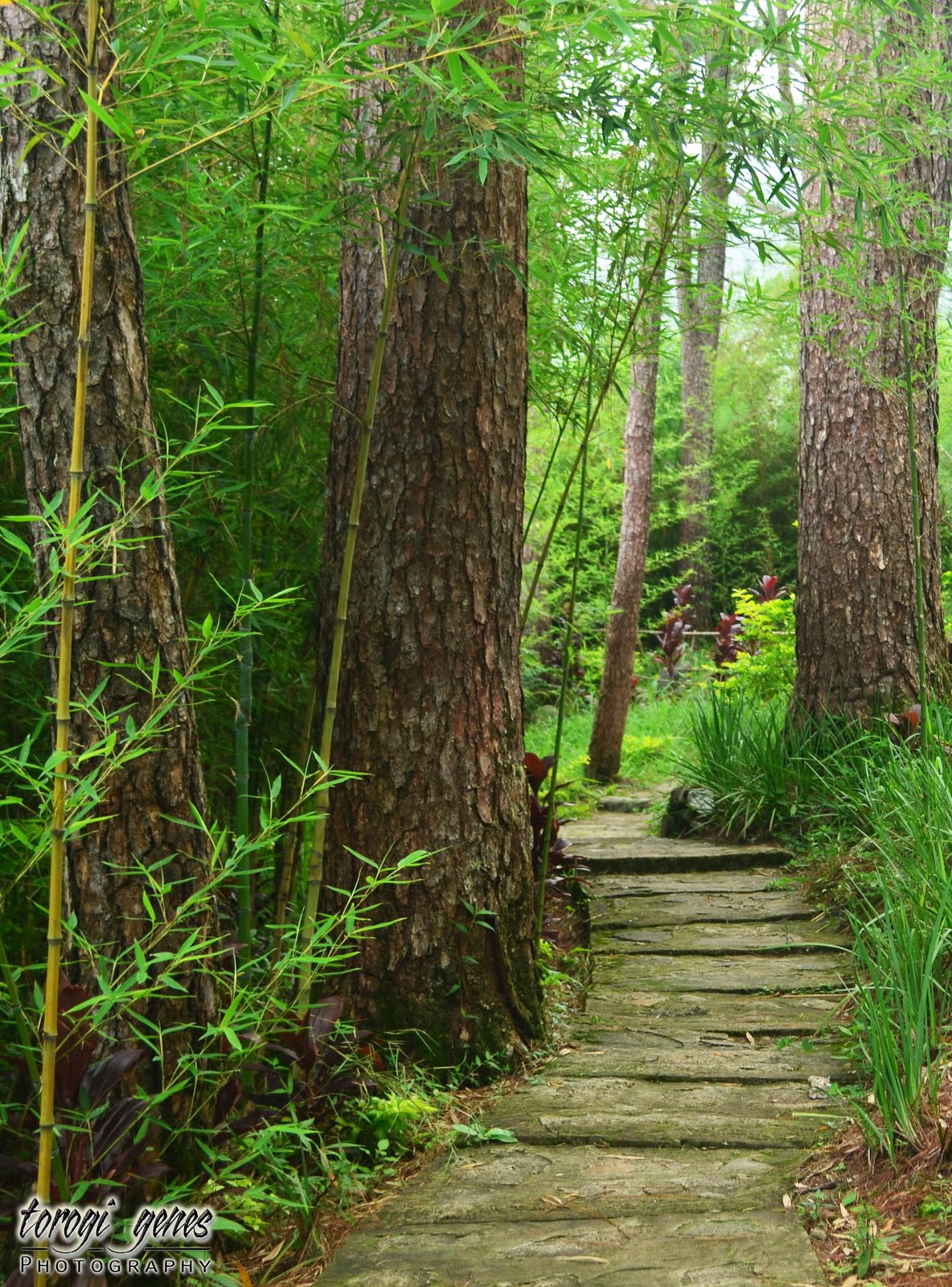
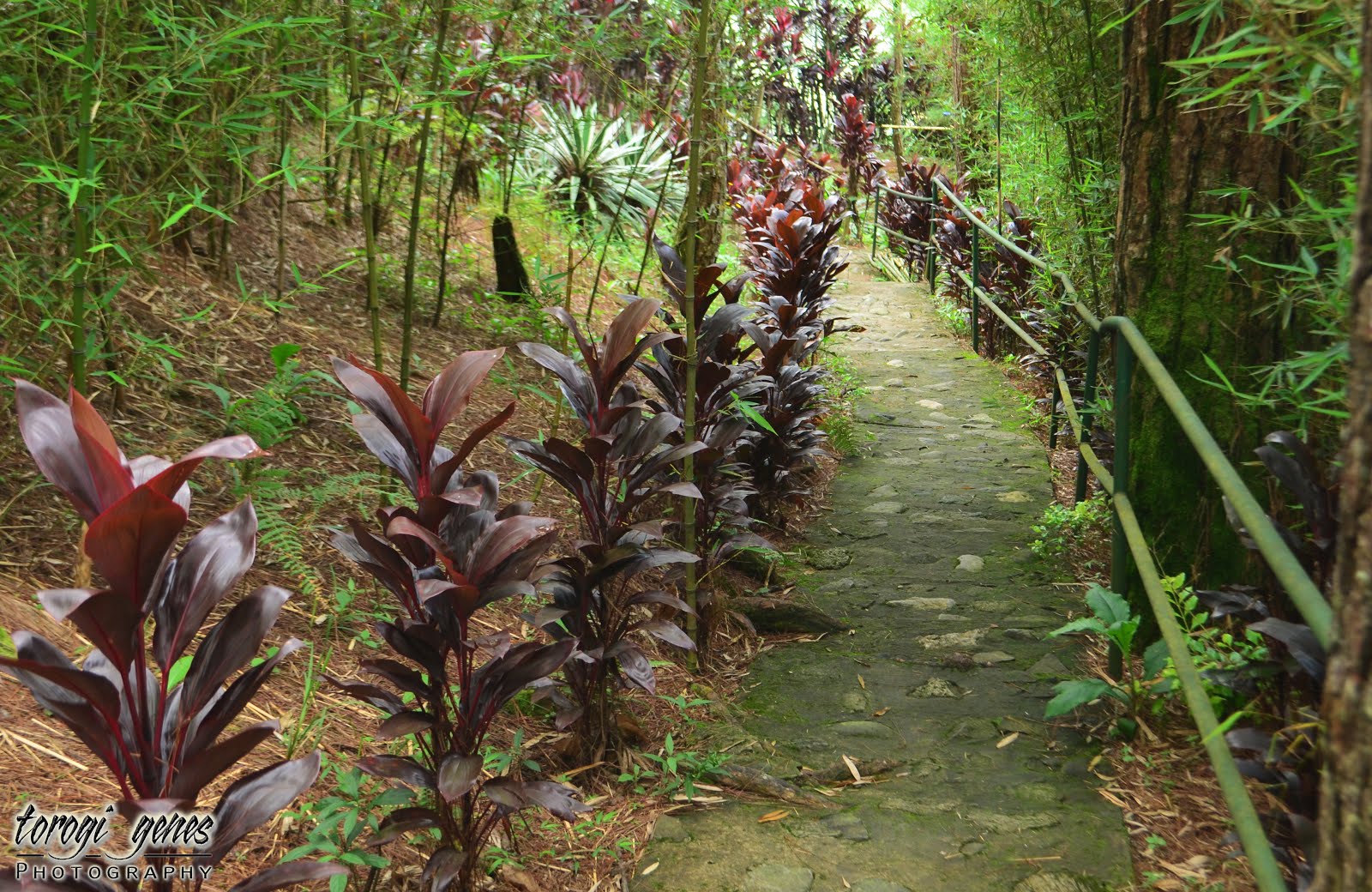
The sanctuary is a haven covered with pine trees and Chinese bamboo. During my revisit, the bamboos and grasses are abundant awaiting for pruning and mowing.
The side rails guides you to the next station. You might as well enjoy the plants along the way.
Another station.
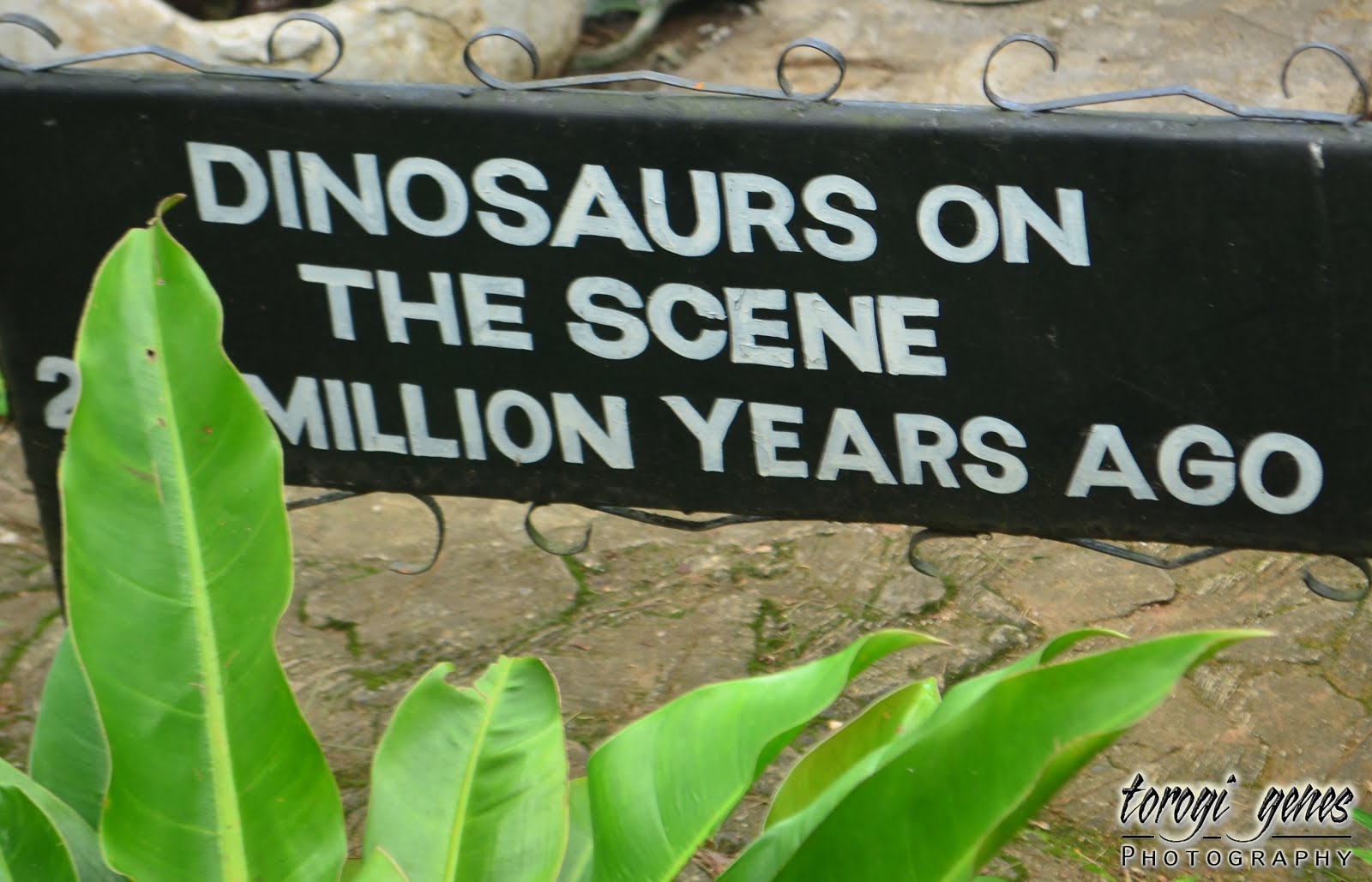
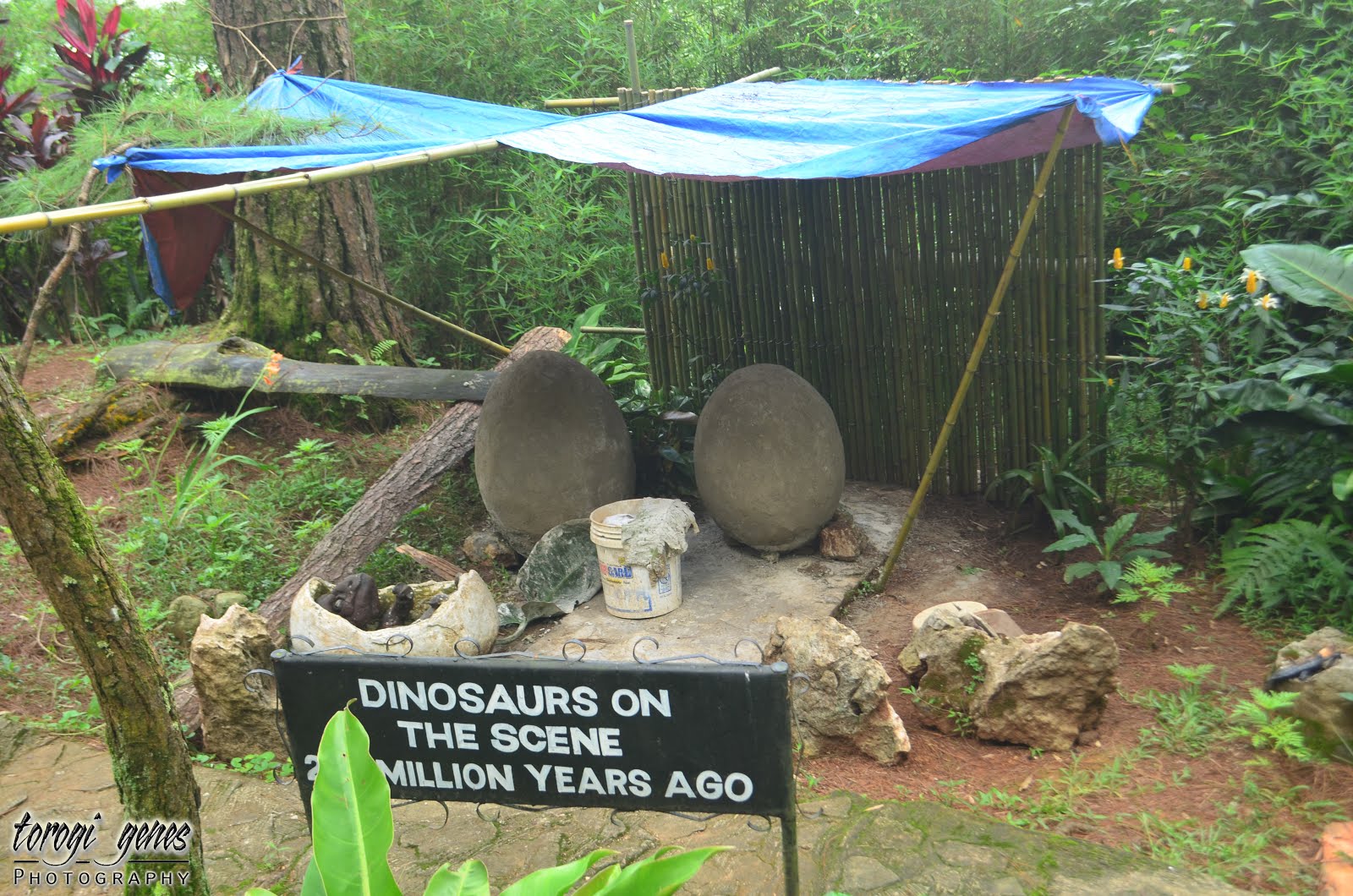
“Dinosaurs on the scene 235 million years ago.”
Unfortunately, the art depiction on this station is on maintenance during my revisit. Anyway, it shows dinosaur eggs and a hatchling.
Another station.
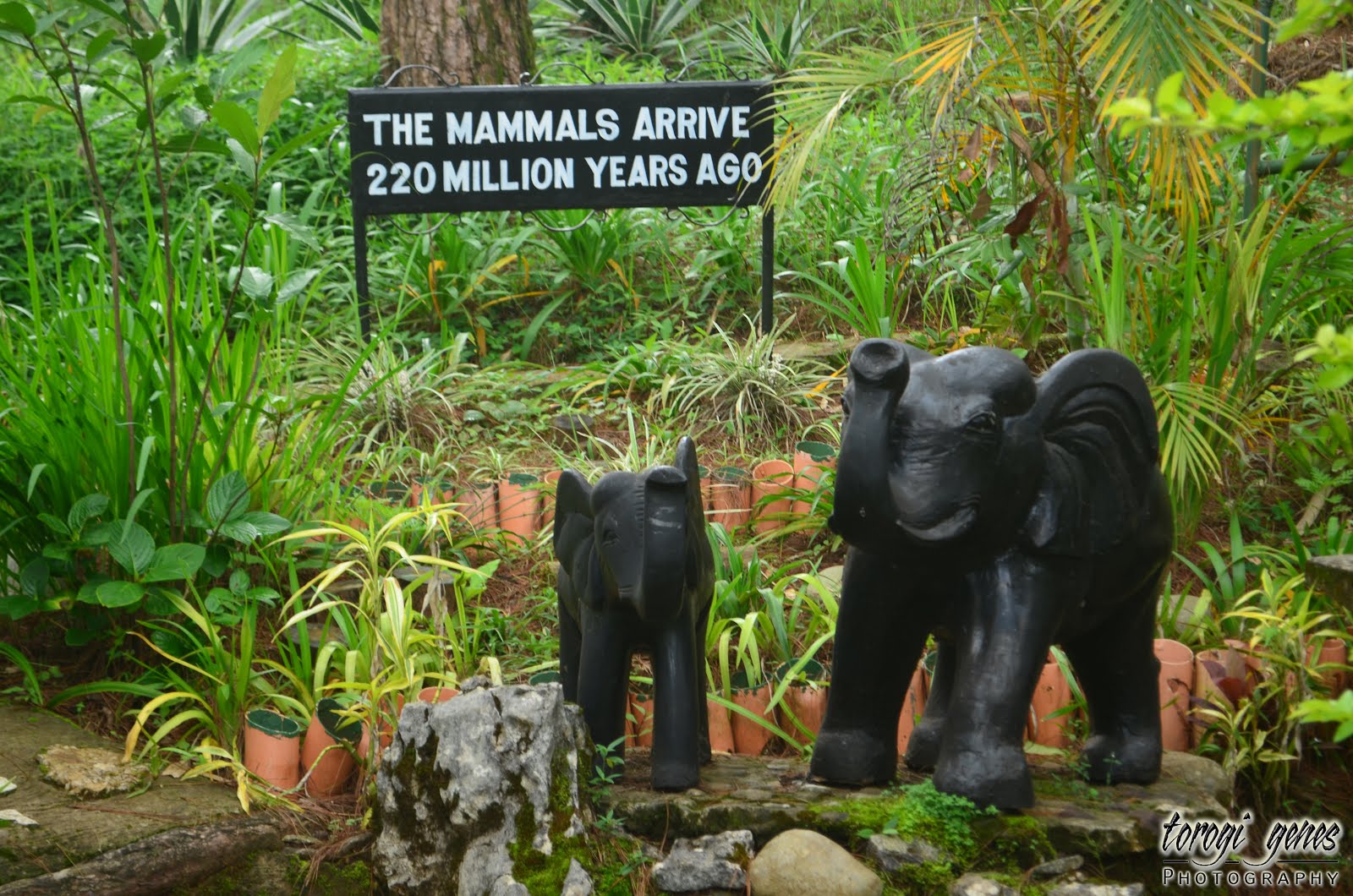
“The mammals arrive 220 million years ago.”
Well, though we are mammals humans are not yet here, I think.
Another station.
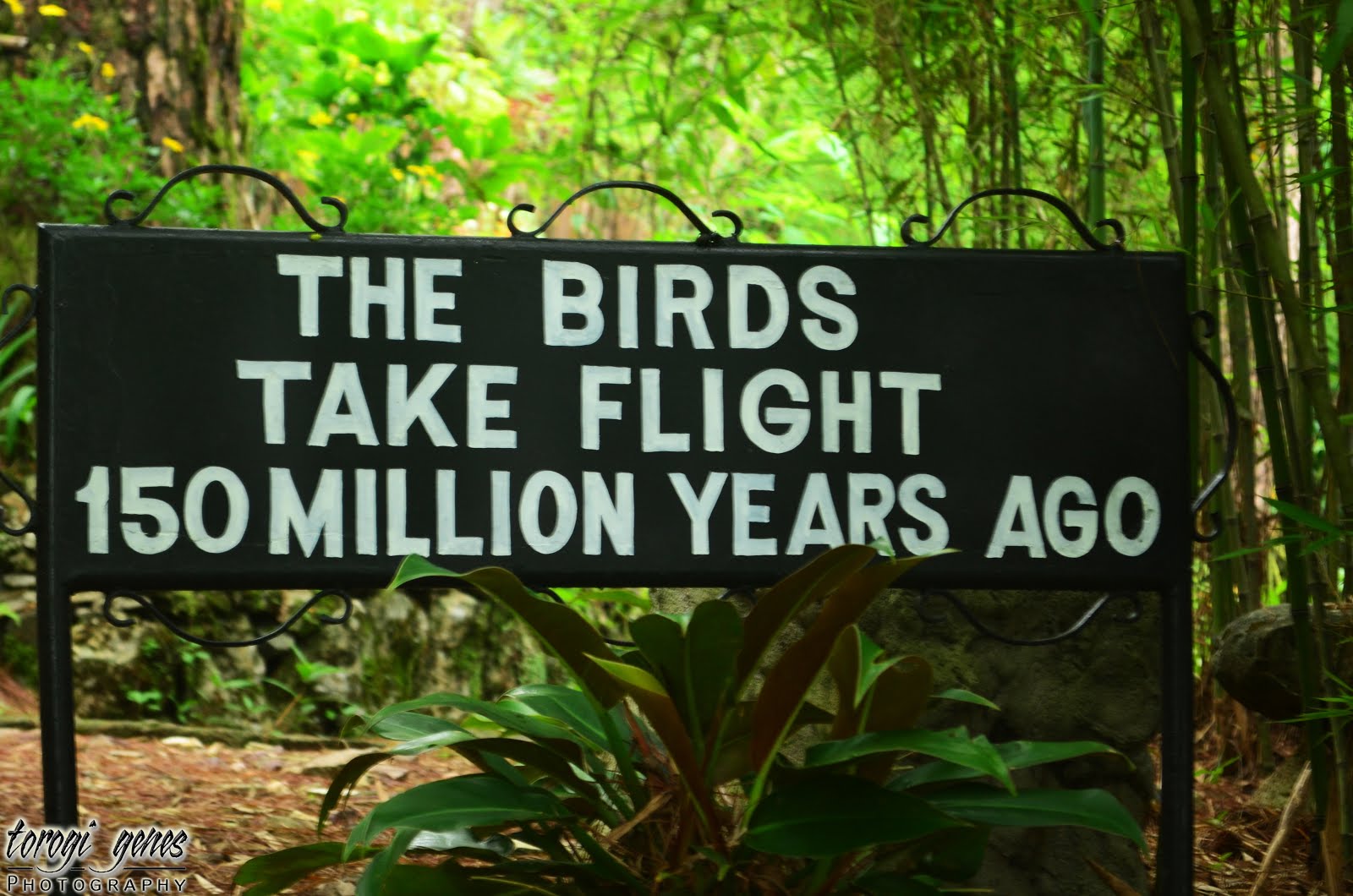
“The birds take flight 150 years ago.”
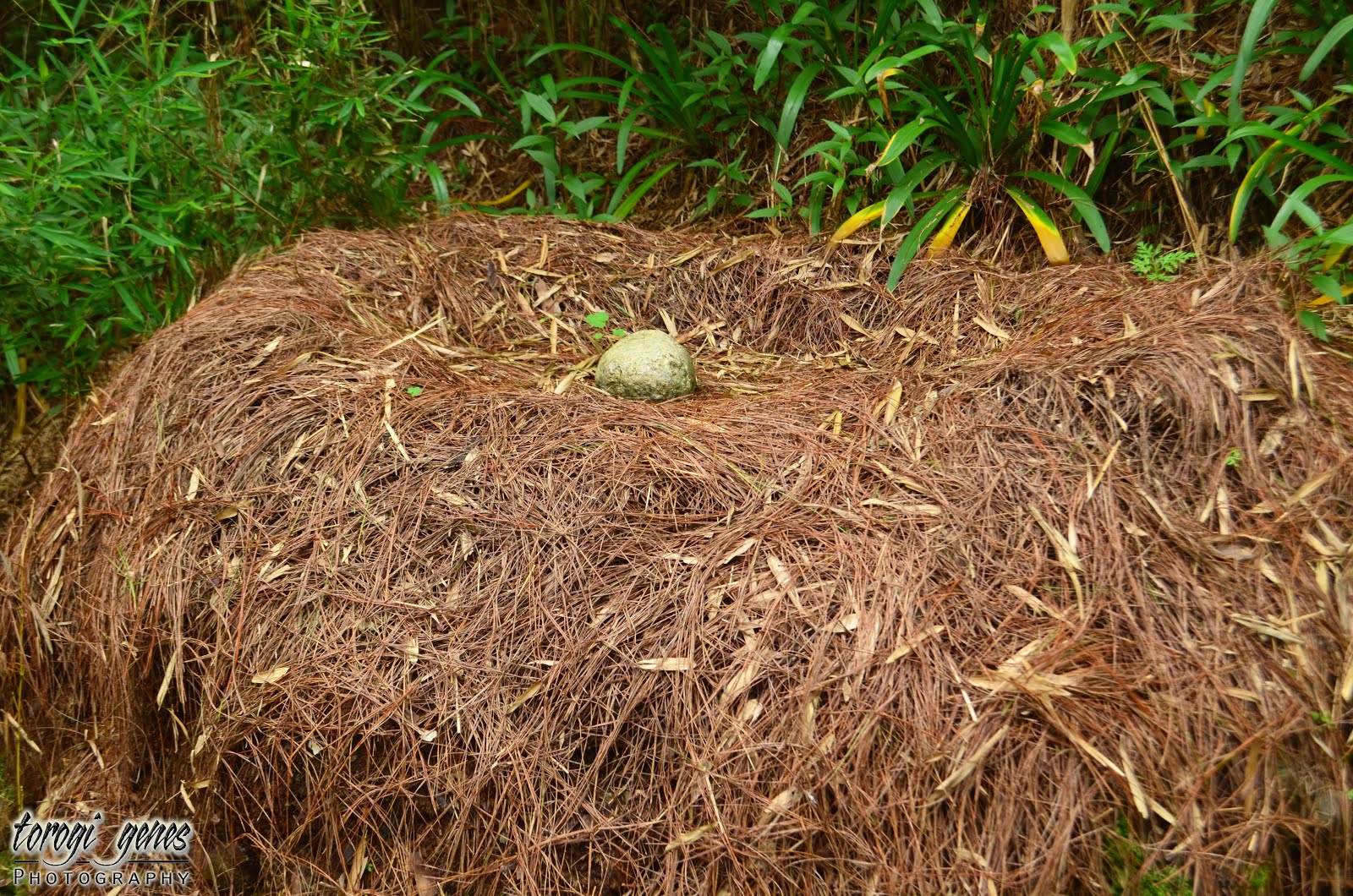
A nest made out of pine needles.
Another station.
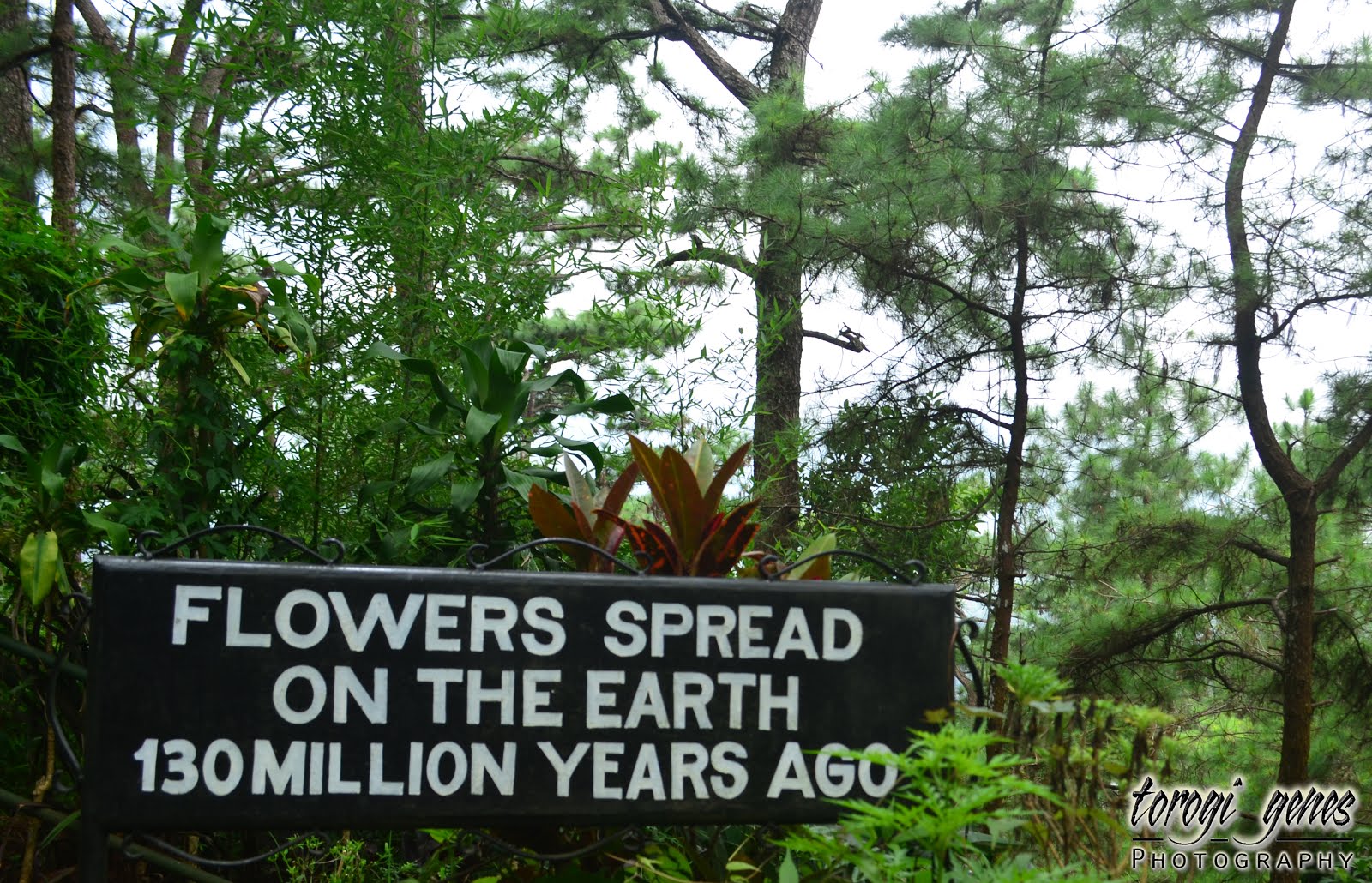
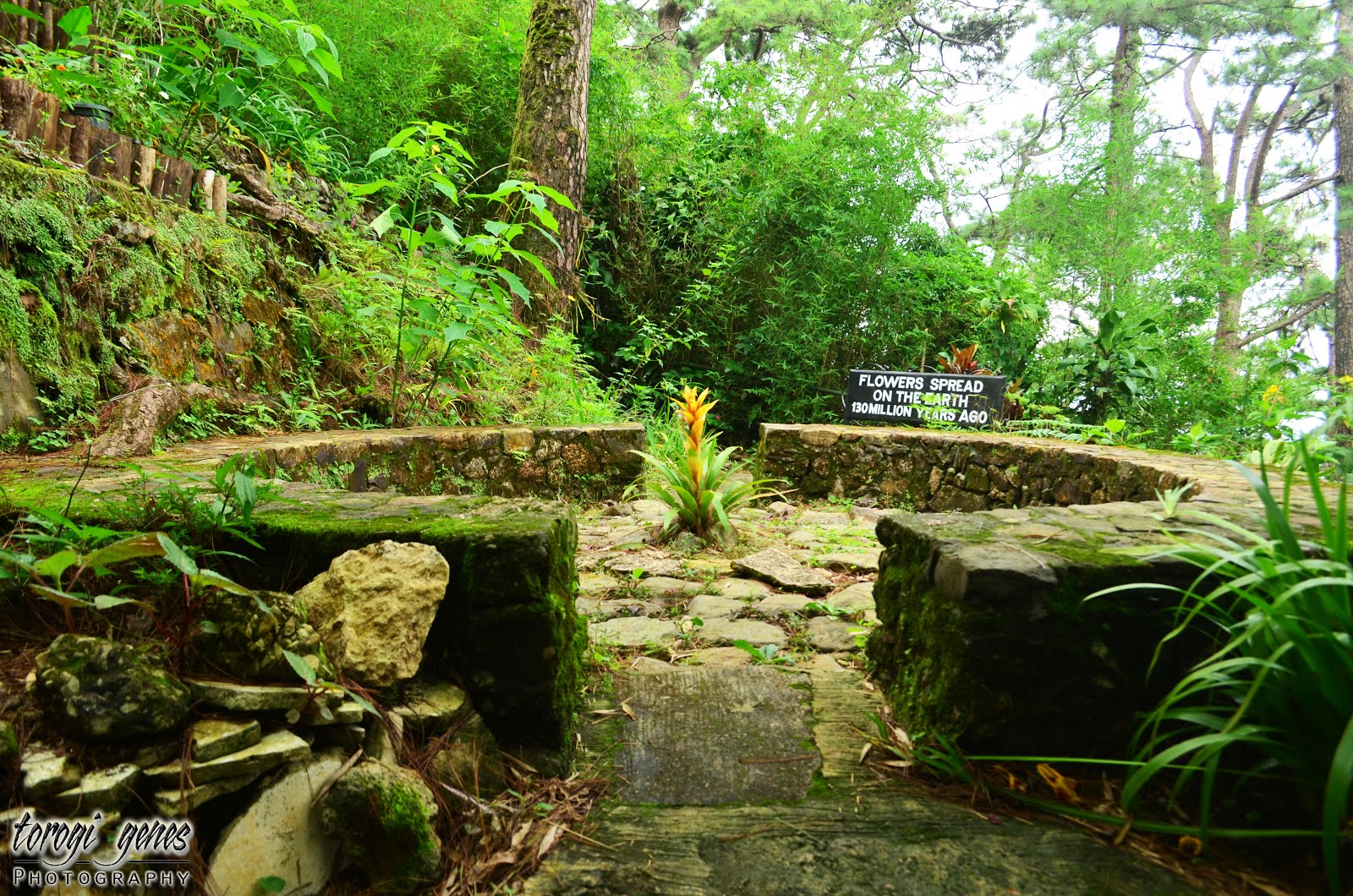
“Flowers spread on the earth 130 million years ago.”
A flower at the center of the circular stone bench depicting the station.
Another station.
Here we are!
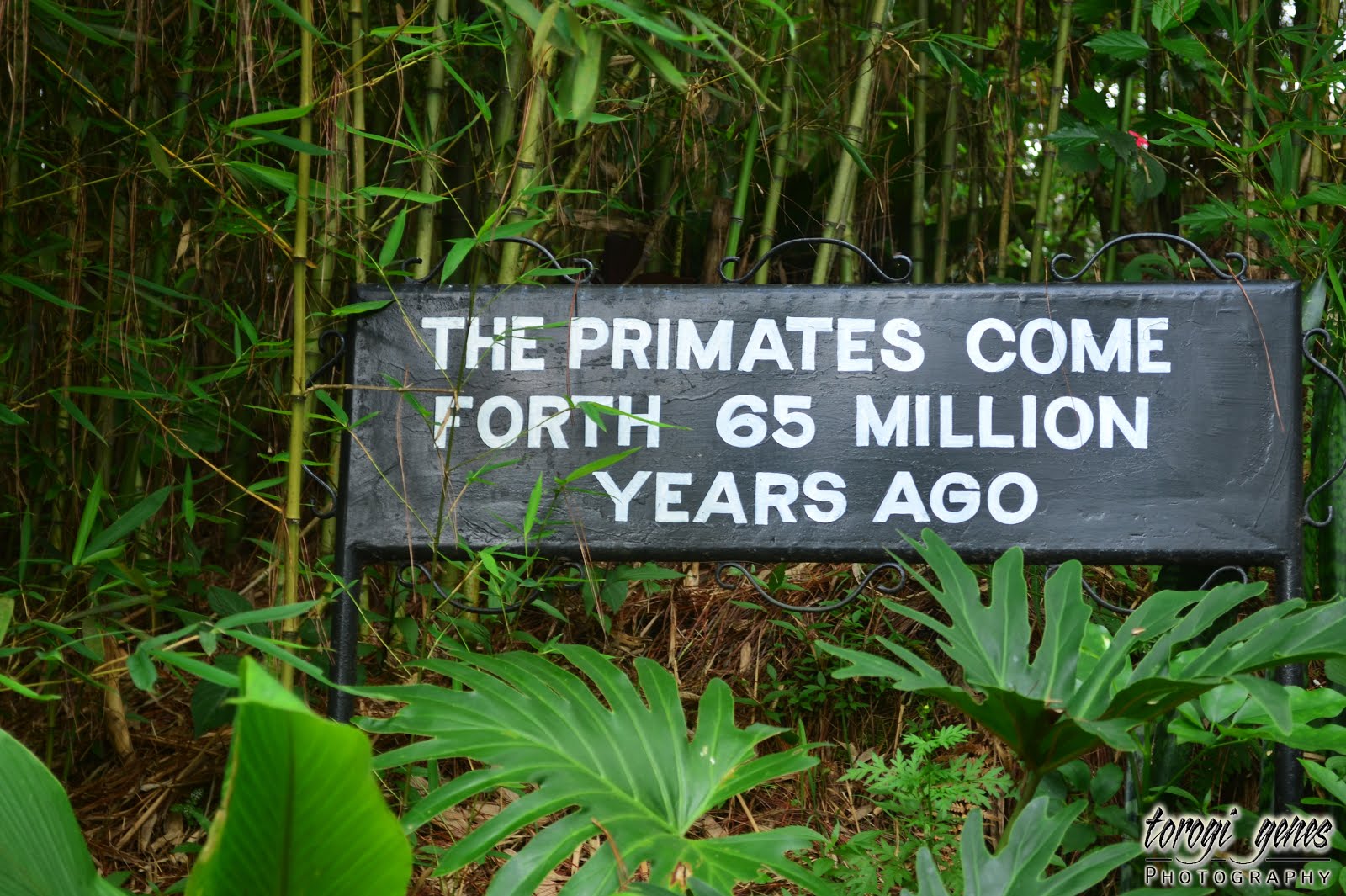
“The primates come forth 65 million years ago.”
Charles Darwin versus the Bible, huh?
Another station.
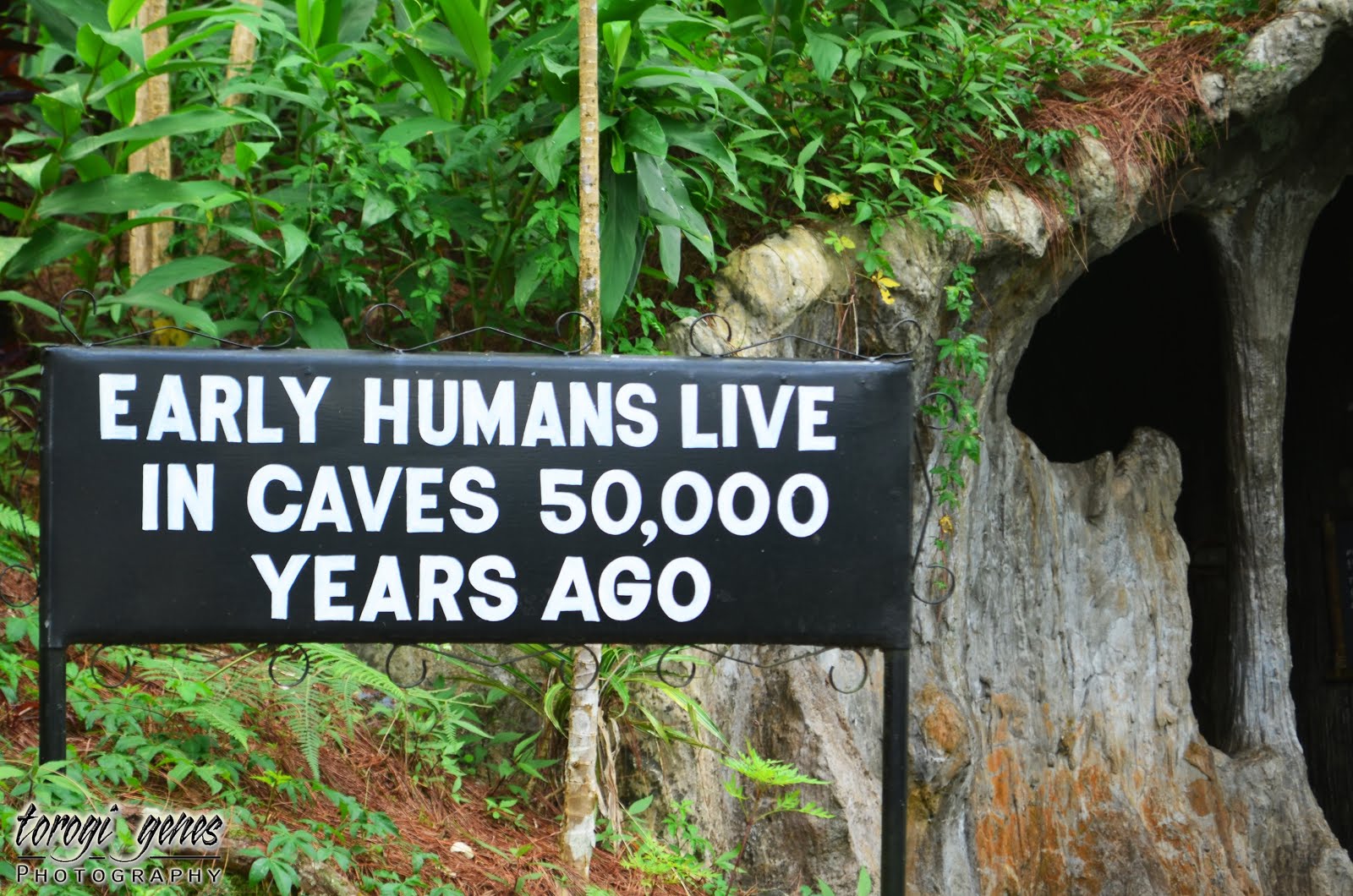
“Early humans lives in caves 50,000 years ago.”
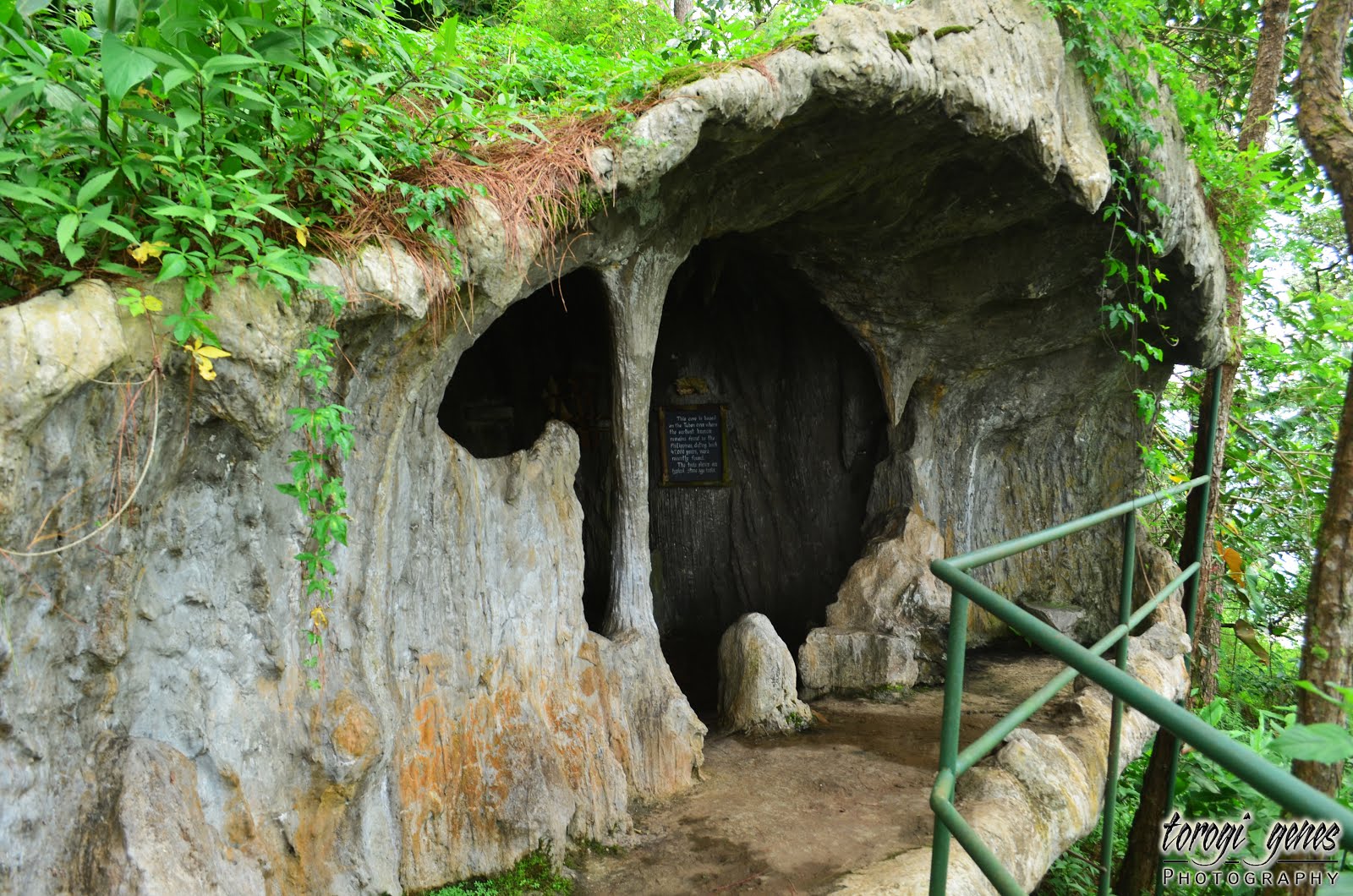
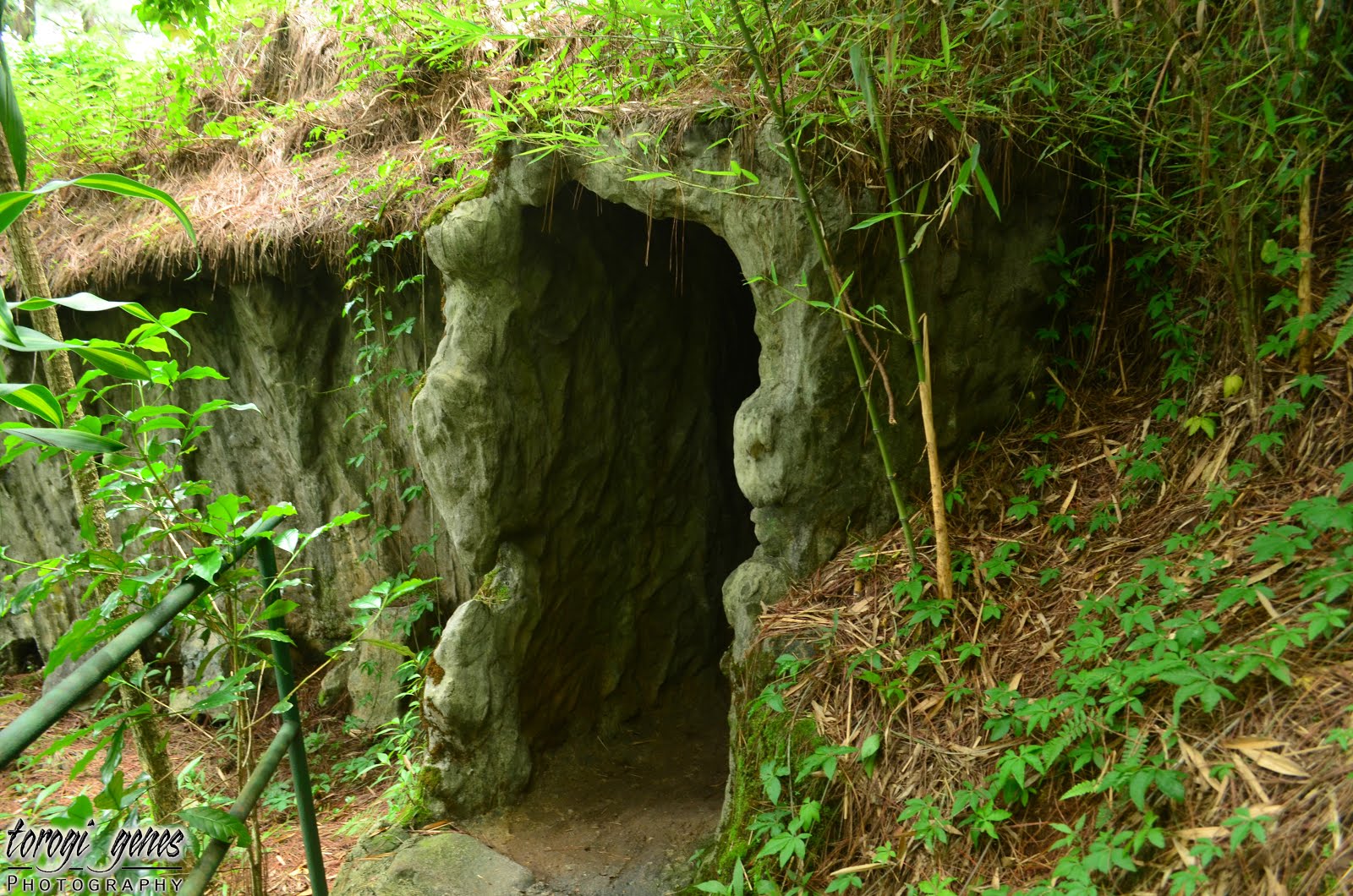
Depiction of the Tabon cave.
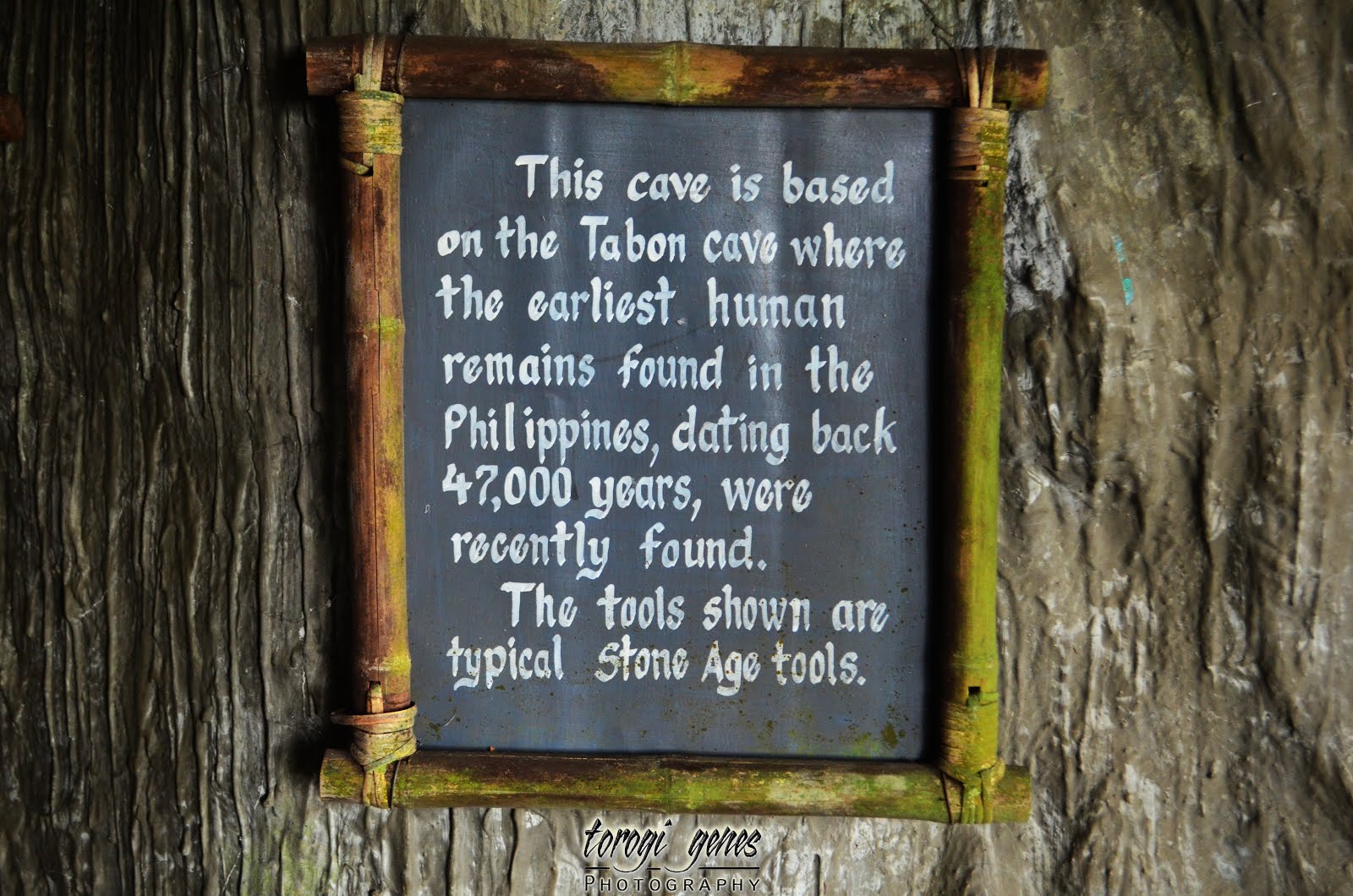
A note inside the “cave.”
Yeah, yeah, that is the exit from the cave. Don’t worry, you don’t need to crawl or slide like in real caves.
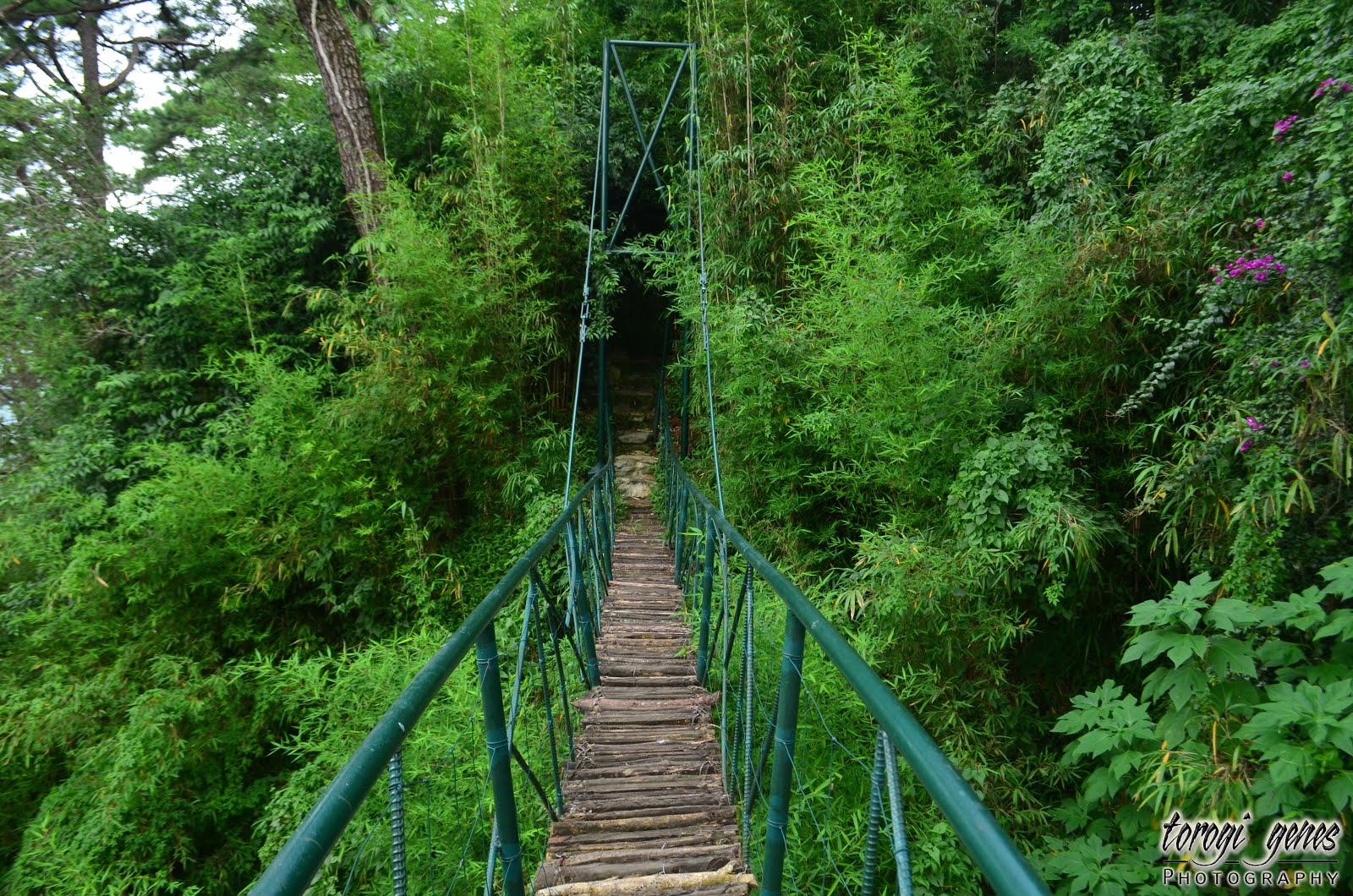
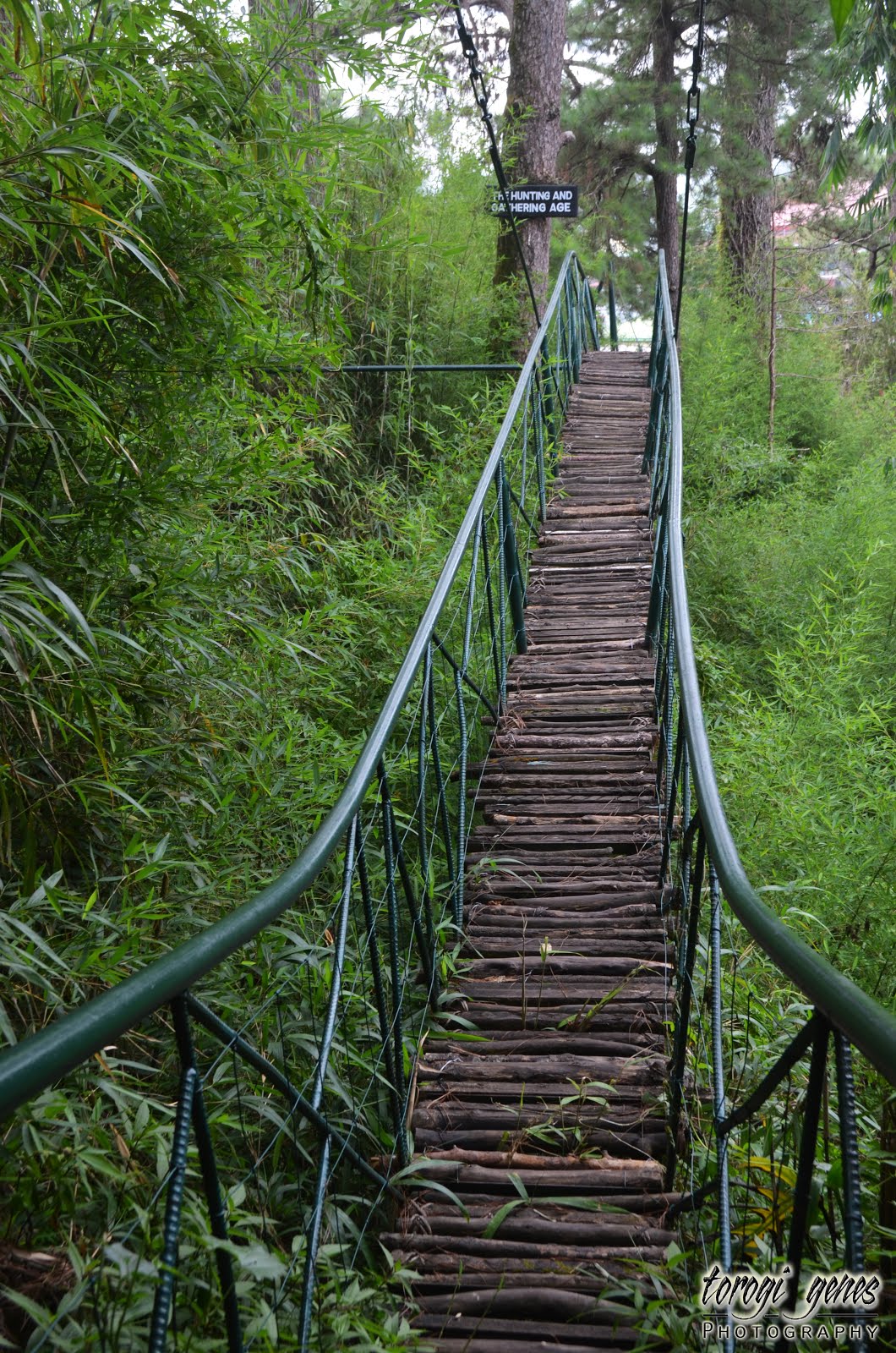
Lo, the bridge! I have seen a few of my extraordinarily brave students cower in this bridge.
From this vantage, you cannot see the full stretch of the bridge because of its upward curve.
Another station.
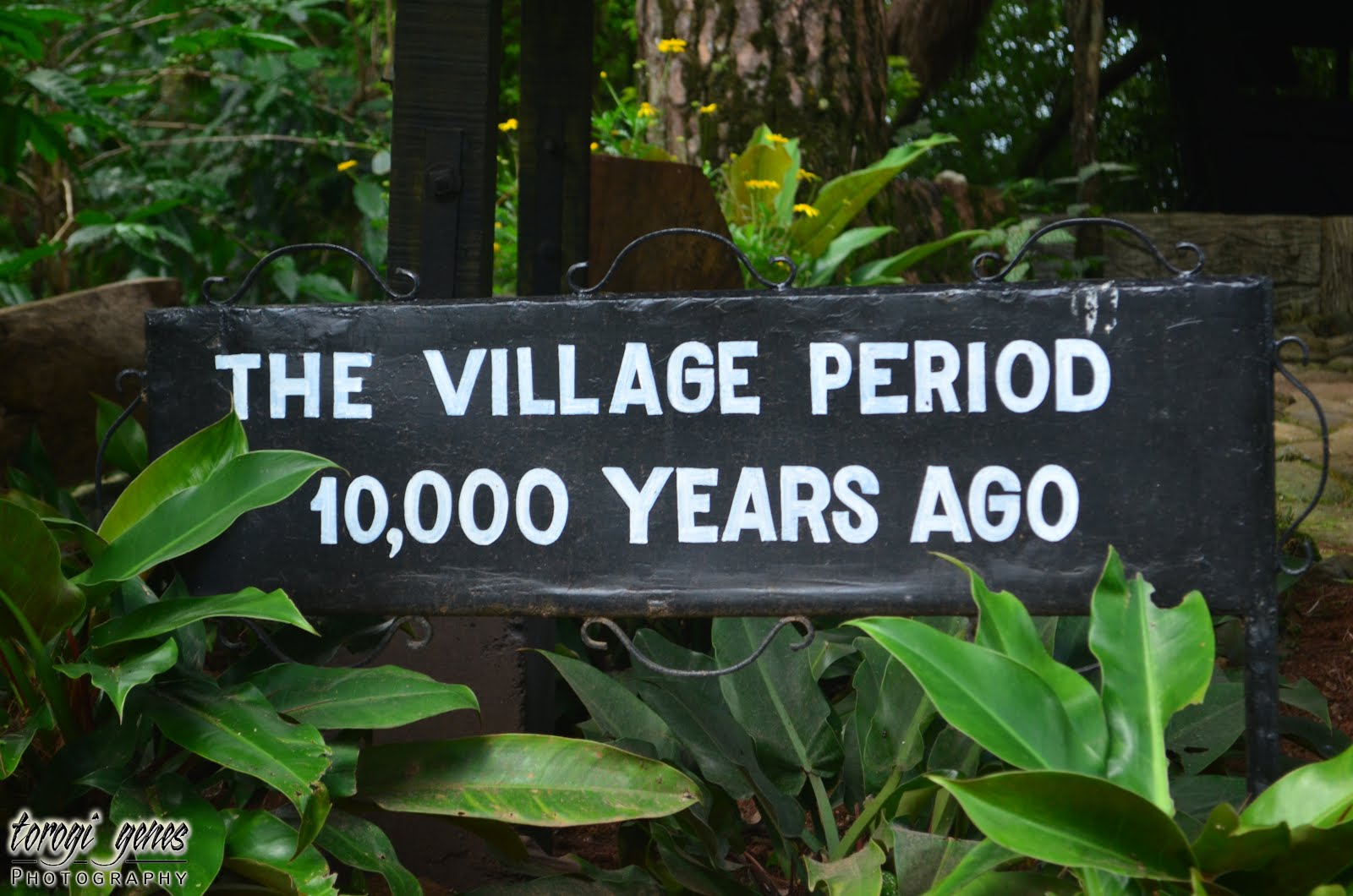
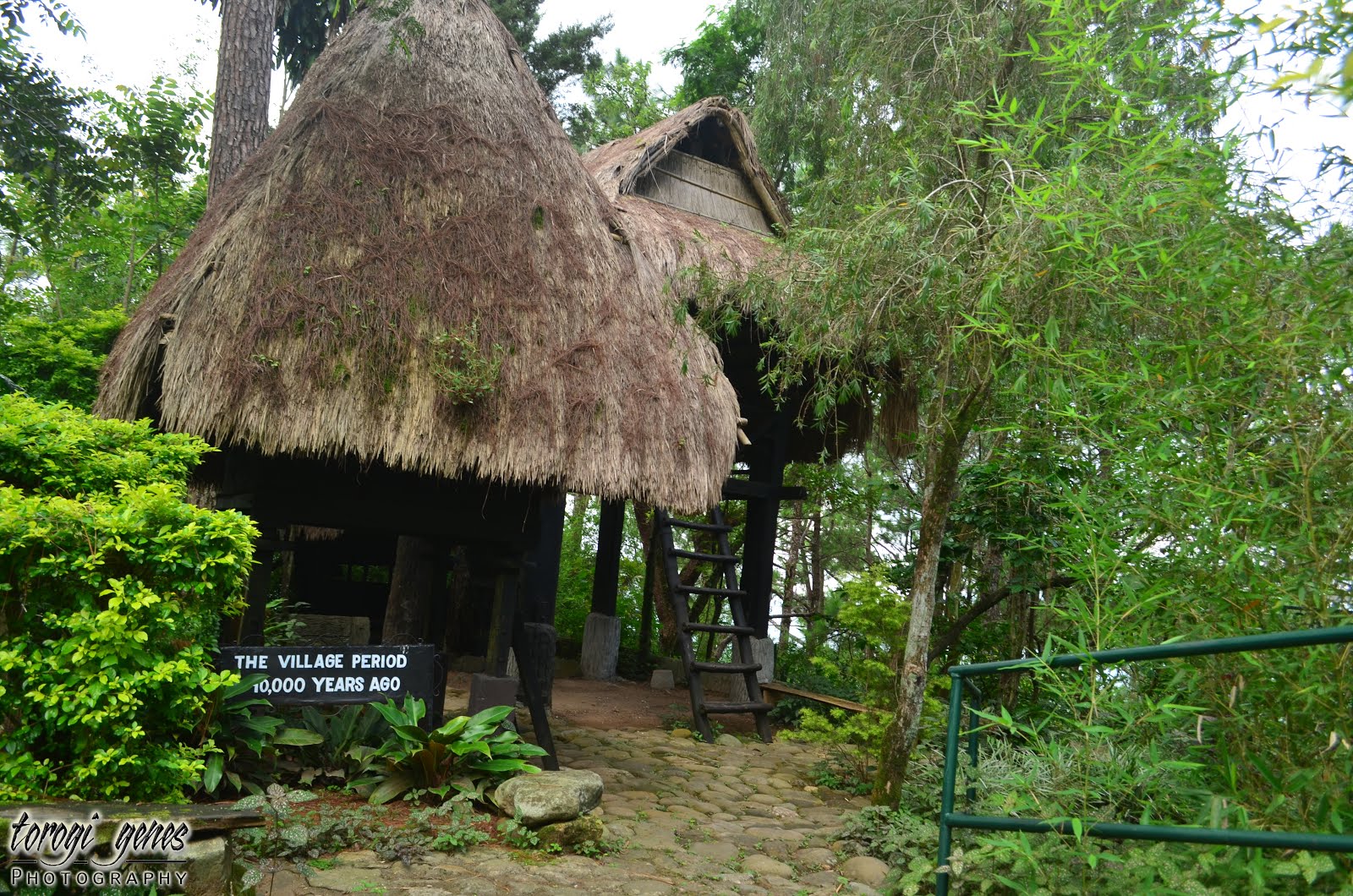
“The village period 10,000 years ago.”
A traditional Cordilleran village had been used to depict the flourishing of villages.
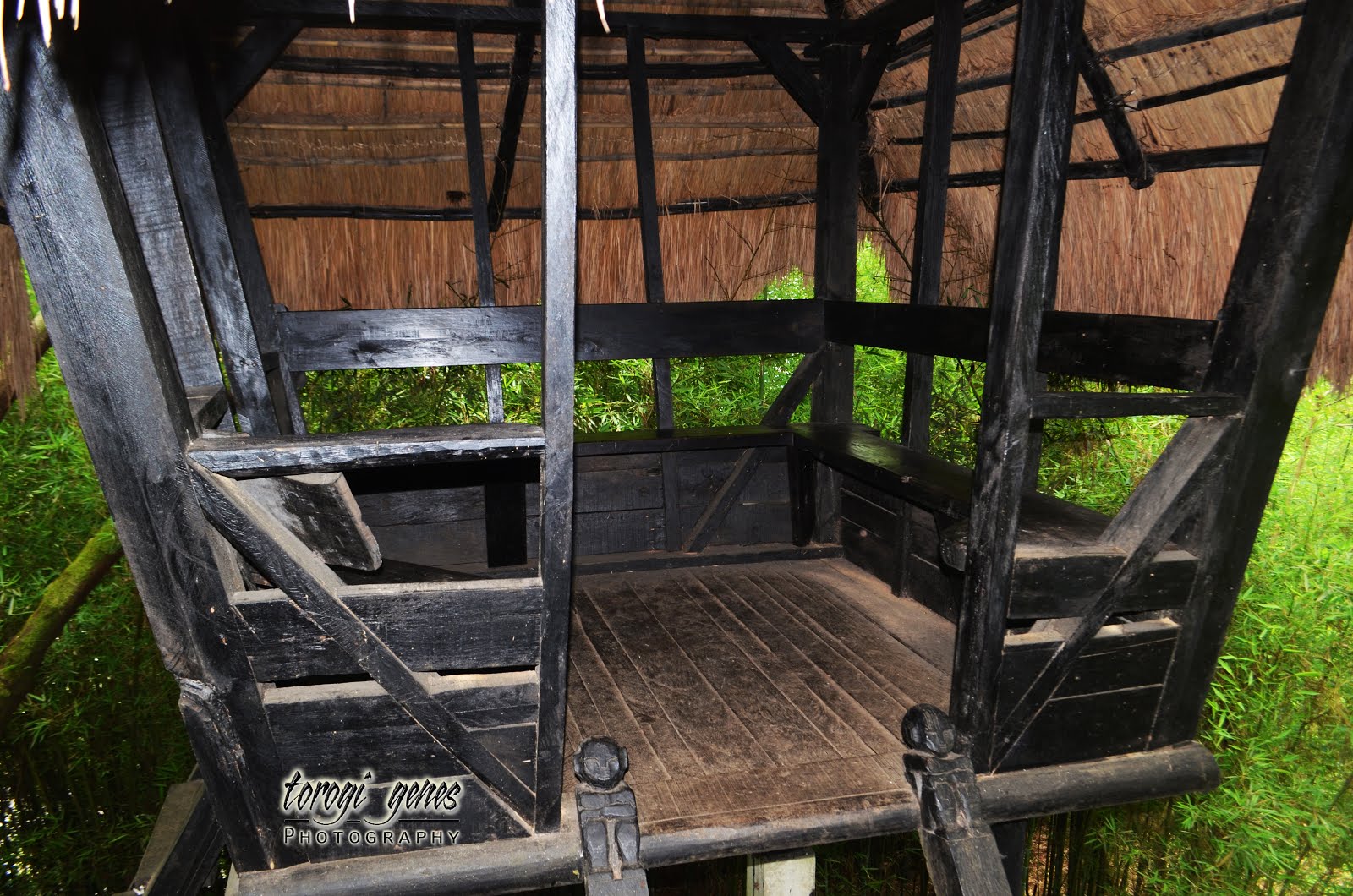
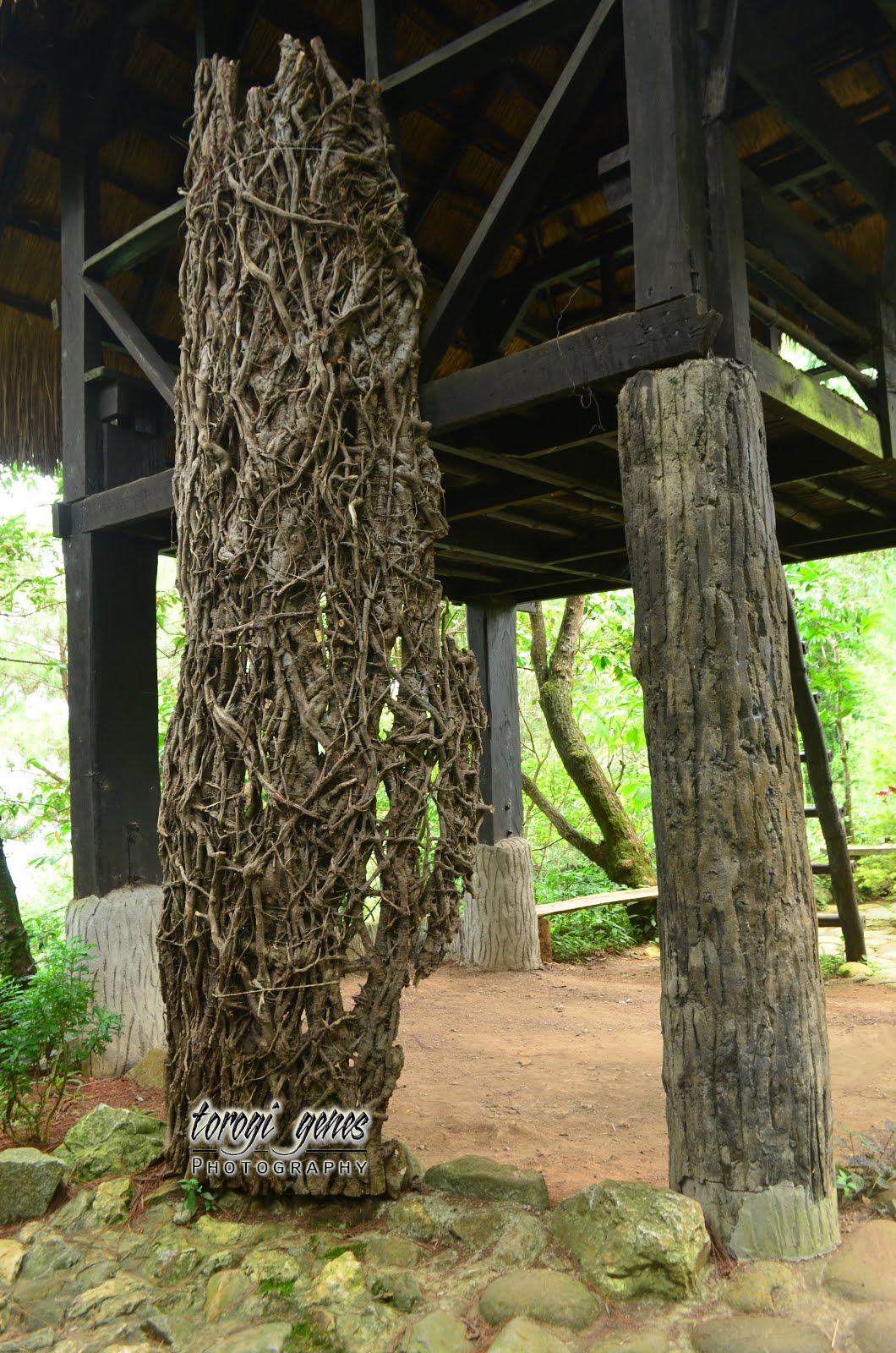
A closer look at one of the depiction of the native huts.
It’s not typical in a native hut but it’s an artwork I must say.
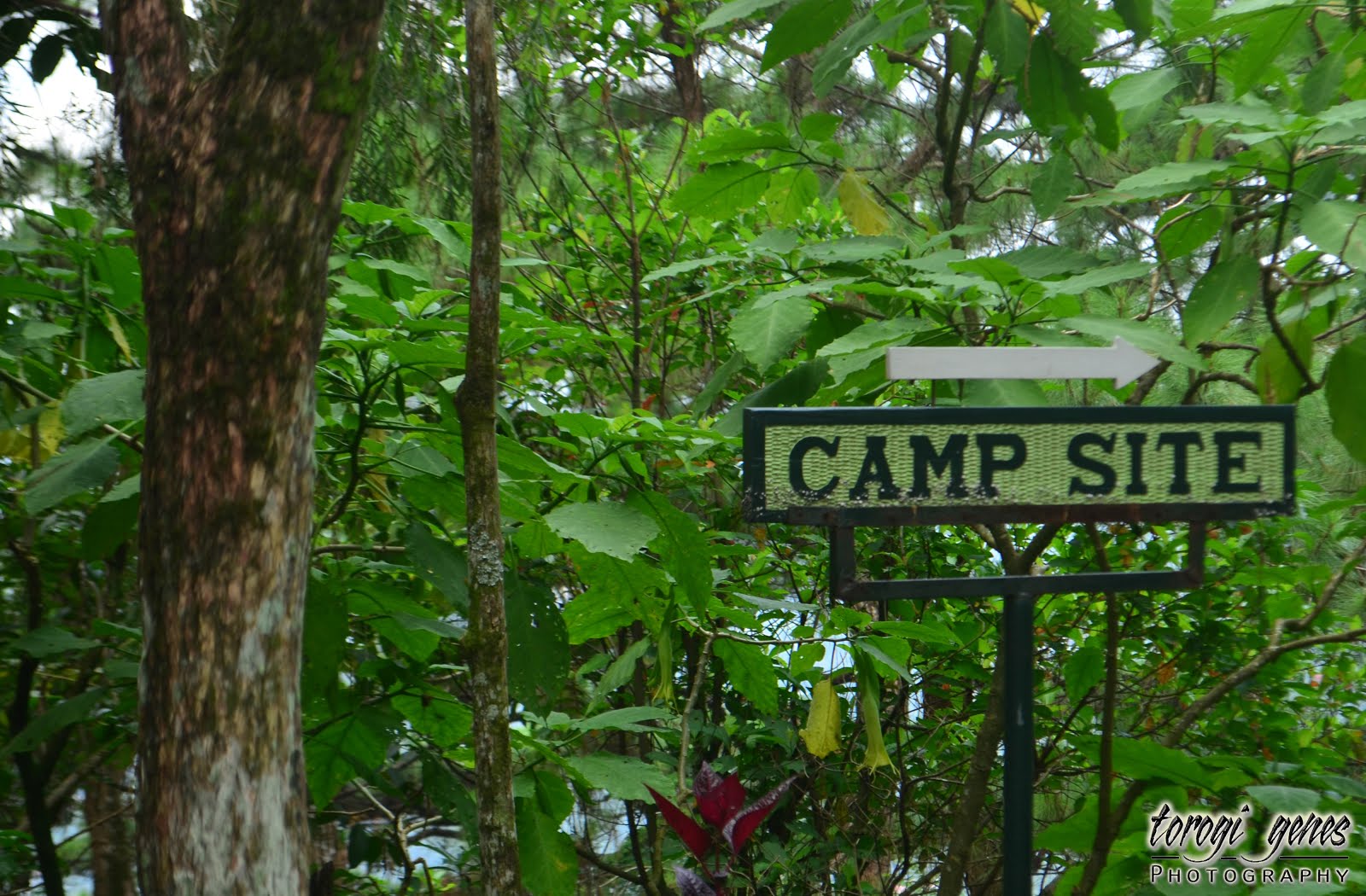
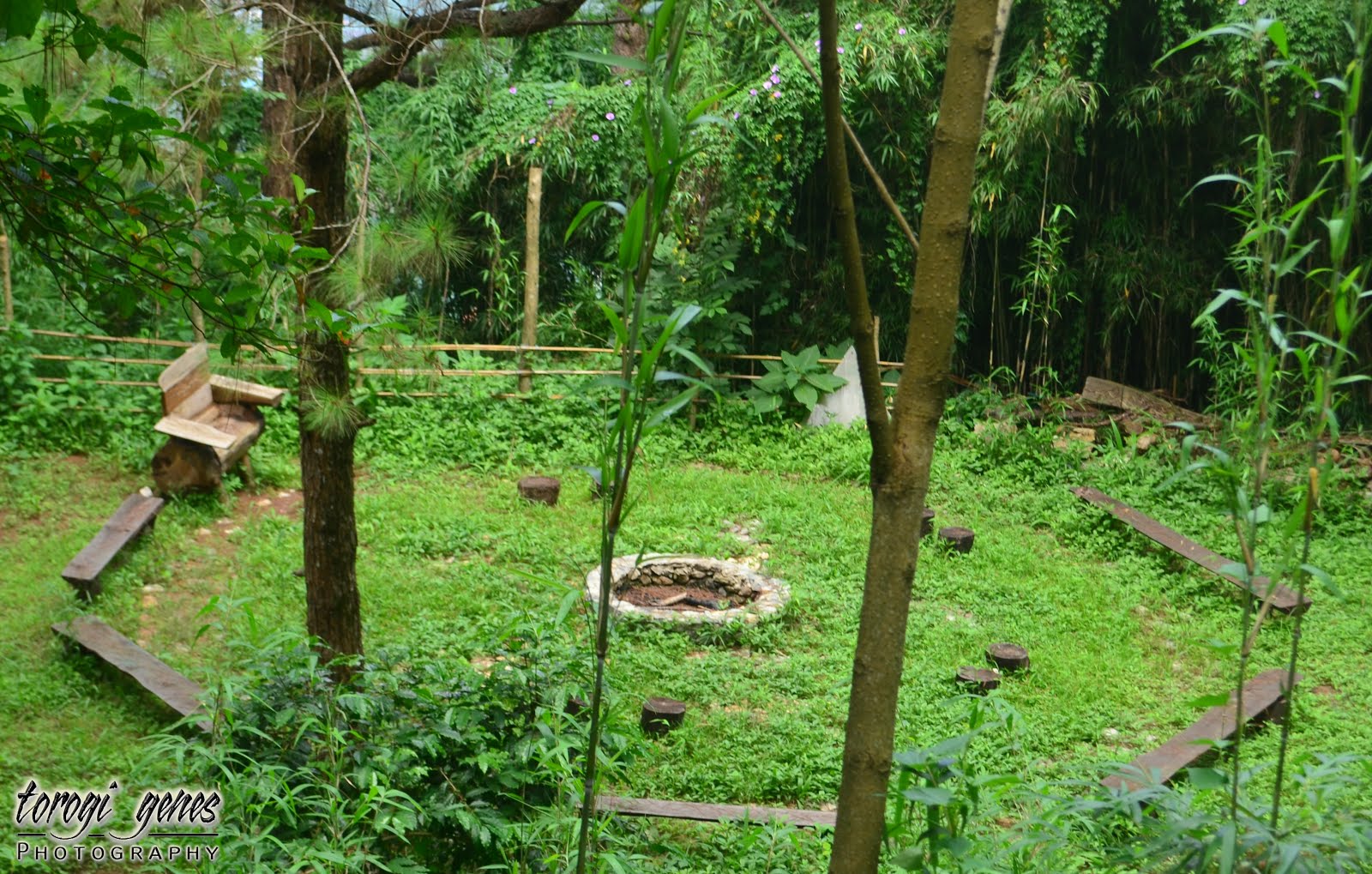
The campsite is near the traditional village.
The campsite as seen from a high vantage point.
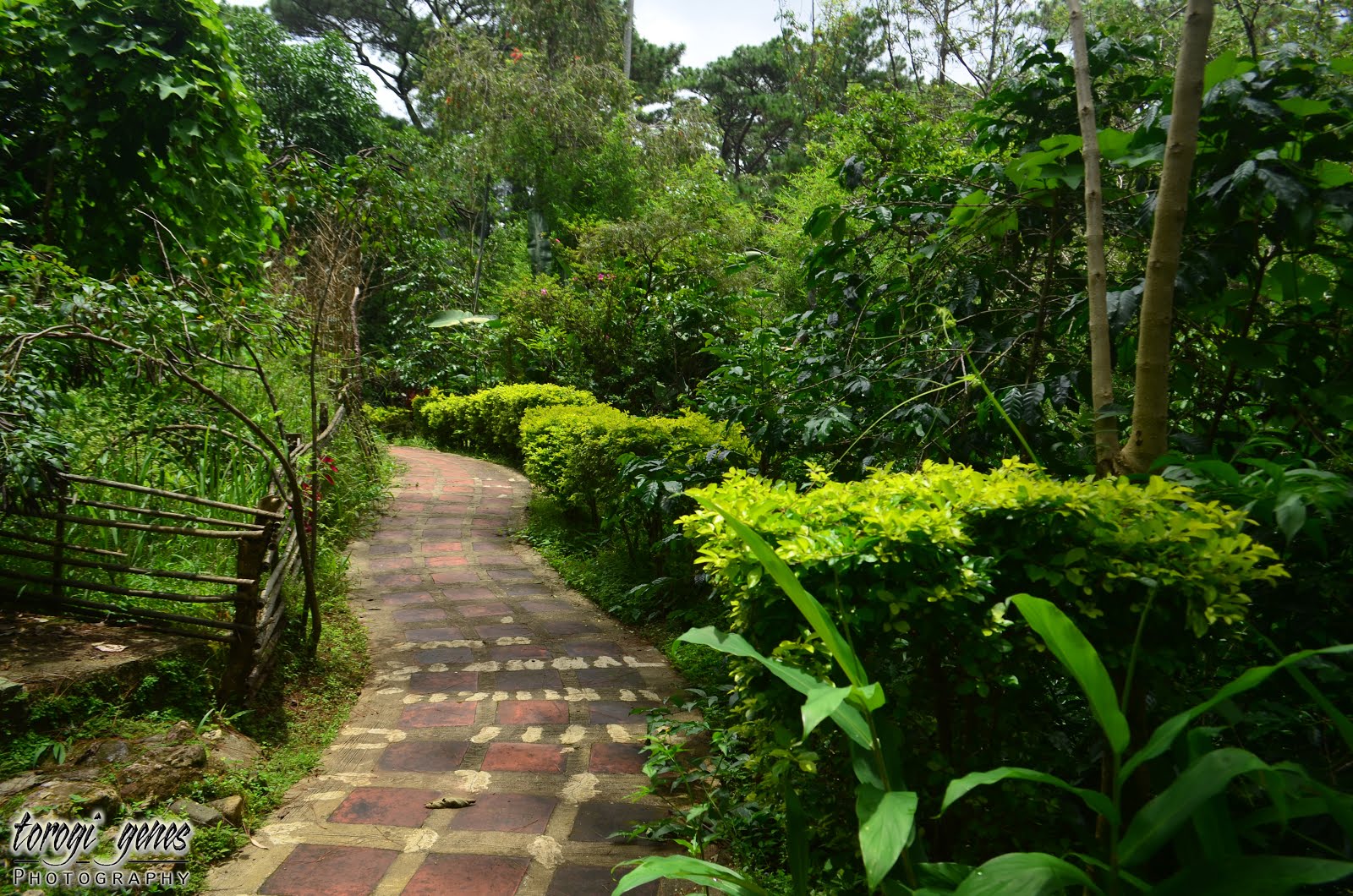
A path leading to the next station. There is a comfort room to the left of the path (not shown in photo).
Another station.
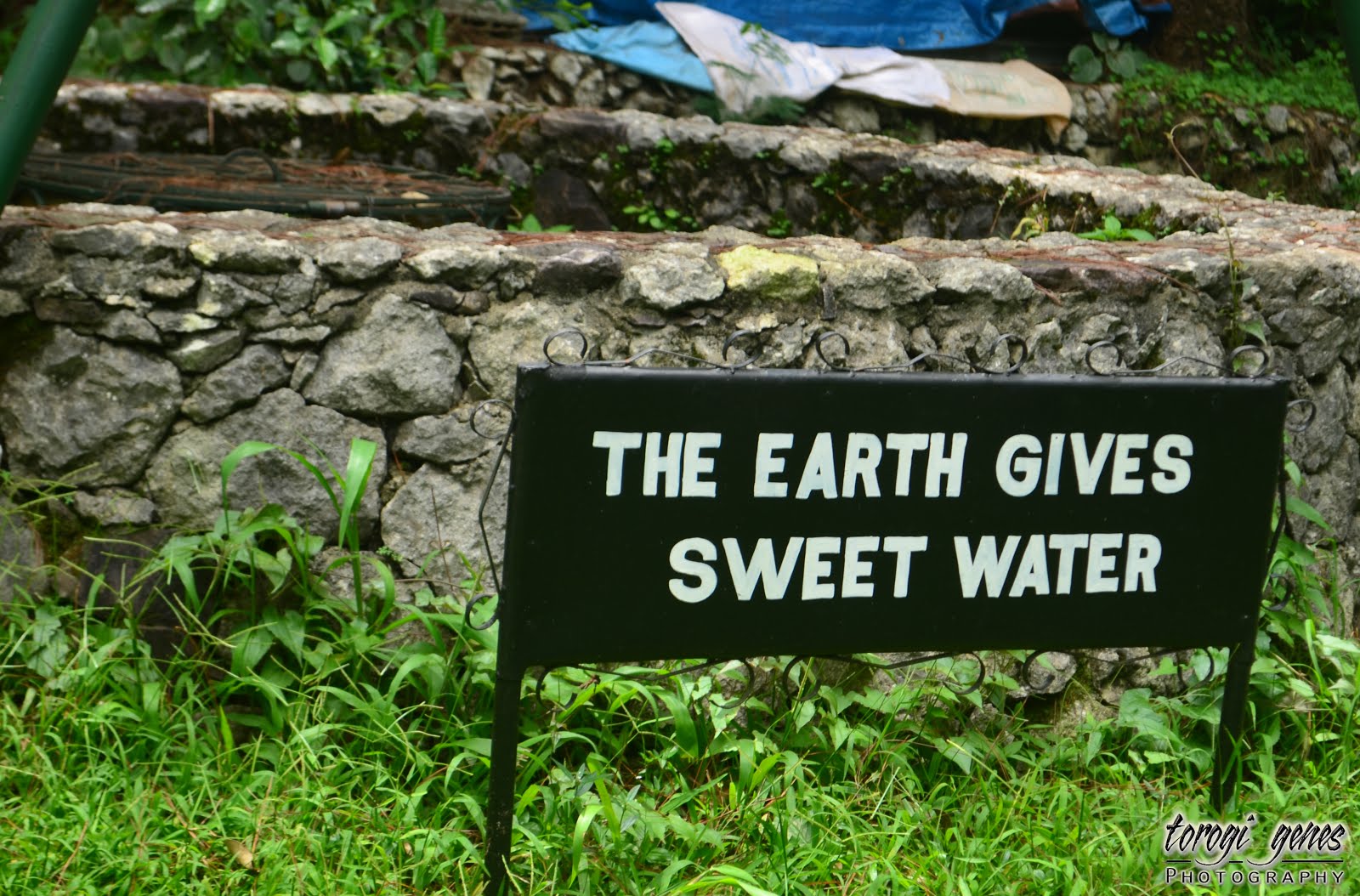
“The earth gives sweet water.”
A well depicting the station’s theme.
Another station
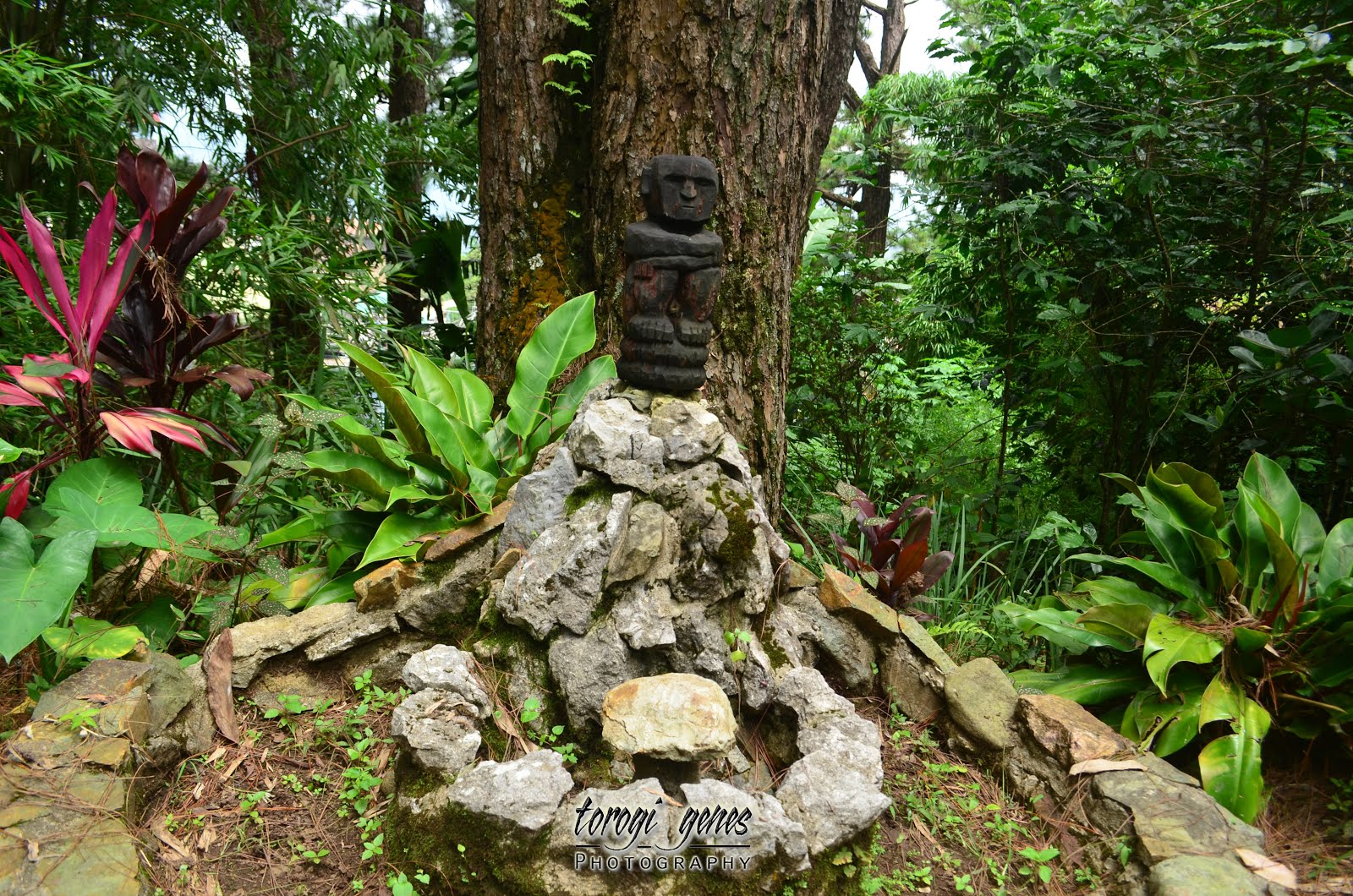
“The emergence of the Earth’s religious traditions.”
A bulol depicting the station’s theme.
At this point, there are still few remaining station and artworks depicting each station’s theme. However, I was already engaged in a conversation with visitors like me in the sanctuary, thus I was not able to take images. This, I guess, is a cue that you need to visit the sanctuary to see the remaining artworks, the gallery [no images shown], take a coffee at Mollies Café, or you might try the other programs being offered.
REFERENCES:

Mt. Ulap Eco-Trail

MT. ULAP ECO-TRAIL
Location: Ampucao, Itogon, Benguet, Philippines.
Trail: Tomtombek-Sta. Fe Ridge traverse (or backtrack).
Contact Number: 0928-483-1133; 0921-729-2726; 0946-340-4561.
Registration Area: Ampucao Barangay Hall
Registration Fee: Php100.00 per person.
Guide Fee: Php400.00  (max of 10 persons per guide). This will double to Php800.00 if you decide to camp for a night.
How to get there:
·         From Baguio City. Take a PUJ bound to Samuyao or Ampucao. The loading station is located behind Jollibee Magsaysay and beside Orion Drug. There’s a couple of tarpaulins indicating “loading area for Mt. Ulap” posted near it. Fare as of April 2016 is Php31.00. Just inform the driver that you need to drop at the Ampucao Barangay Hall for the Mt. Ulap hike registration. PUJ fare from Sta. Fe to Baguio City is Php50.00.
·         From outside CAR. Take a bus bound to Baguio City. Follow above information.
Description
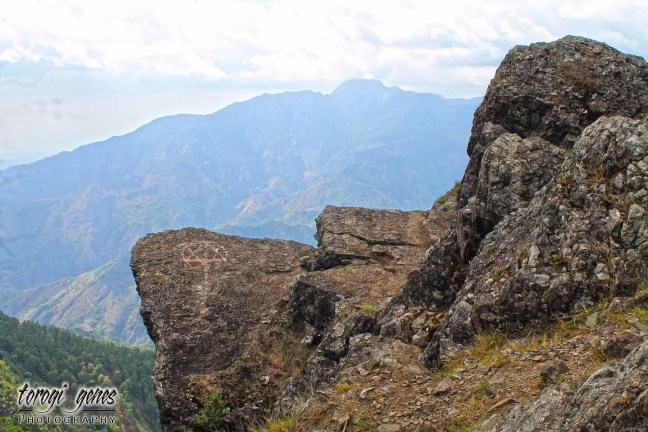
A newly formalized hiking destination, Mt. Ulap Eco-Trail, a less-than-an-hour drive from Baguio City, offers six stations which boast majestic views of Cordillera mountains, pine forests, grassland ranges, man-made stone stacks, picturesque boulders, and a faraway glimpse of the San Roque Dam and Philex mining area.
Mt. Ulap Eco-Trail is in close proximity to Baguio City unlike other popular hiking destinations in the region such as Mt. Ugo and Mt. Pulag. Travel time would be about 45 minutes depending on the traffic at the central business district. En route, you will pass by Camp John Hay, Philippine Military Academy, and Texas Instruments. Don’t get confused with the arch indicating Ampucao Elementary School at the drop-off area. Both the elementary school and barangay hall are located in the same compound. There is a table for registration with logbooks for Baguio City and NCR hikers attended by an officer. You will pay here the registration fee and guide fee. You will be assigned a guide according to the local queuing. An environmental orientation by your guide is a must before leaving the barangay hall. There are foods and bottled drinks peddled in the area, so don’t get nervous when you forgot to buy bottled water for the hike. There’s clean comfort rooms in case you need to attend to nature’s call or change clothes before the hike.
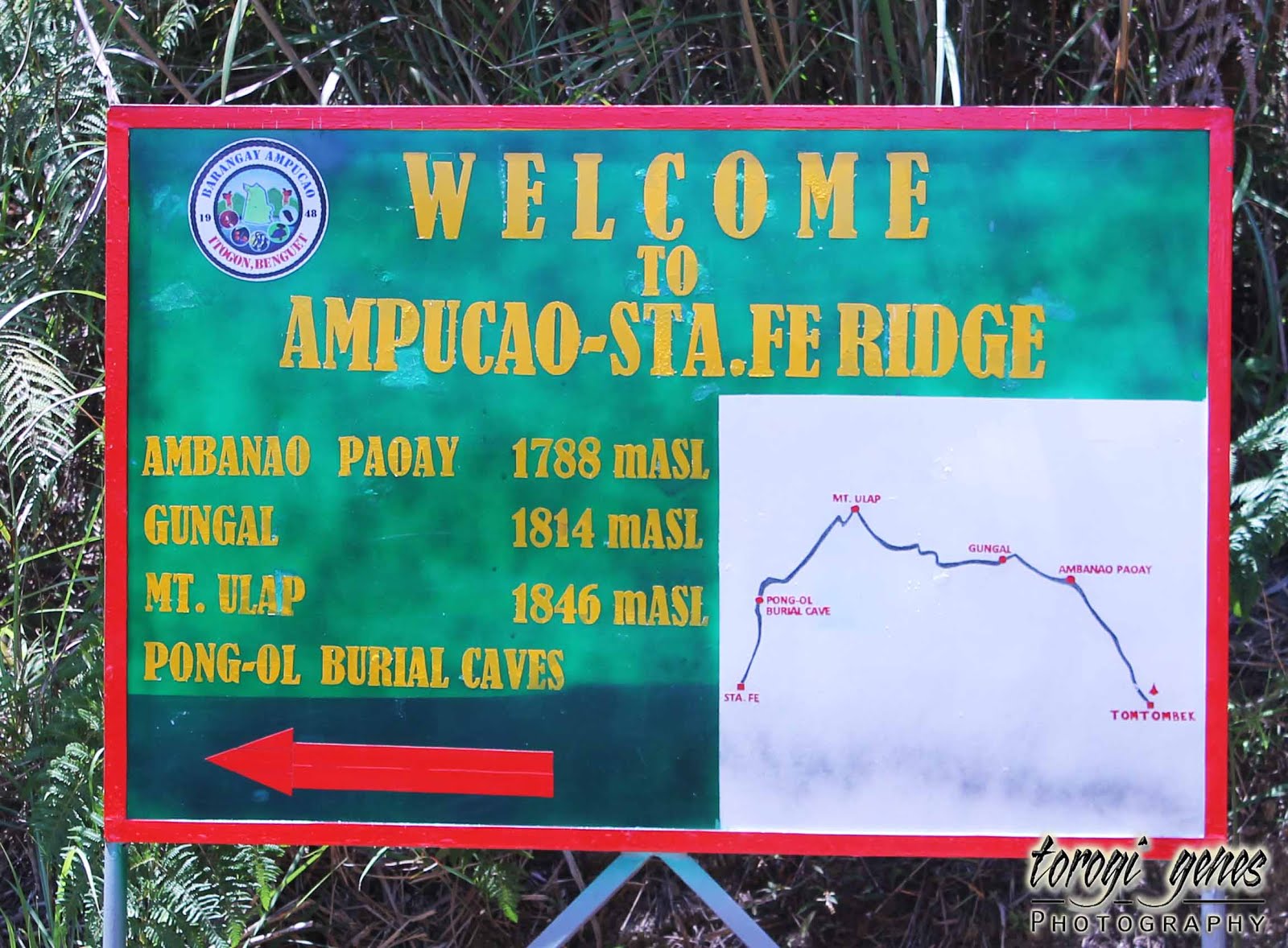
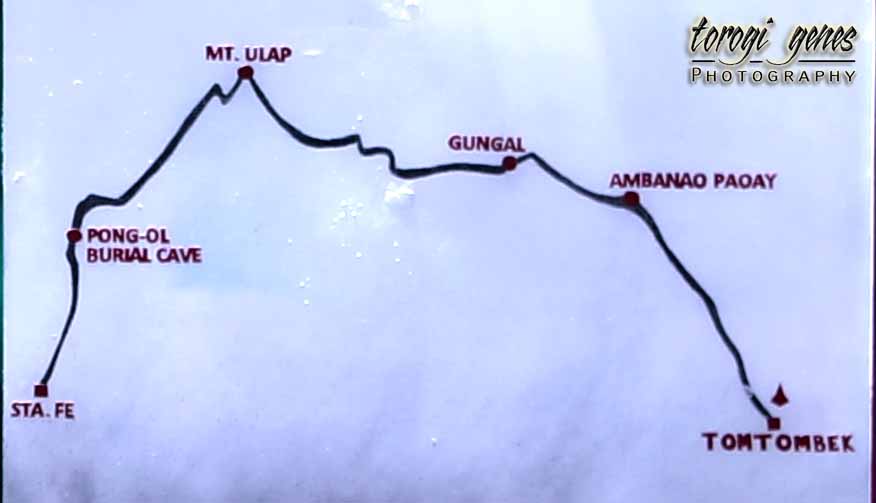
There are six stations along the trail. Tomtombek, the first station, is an easy walk from Ampucao Barangal Hall. A raised metal welcome board showing the stations marks the beginning of the upward assault. The next station, Ambanao Paoay, a 1,788 mASL peak, is adorned with man-made stone stacks. You may add your own design in here. Careful however not to erect it along a footpath. Camping is allowed at the lower portion of this station. Also, along this station, a portion of the San Roque Dam and Philex mining area can be seen. The third station, Gungal, at 1,814 mASL is characterized with rock boulders. Some tourists say that this part is the highlight of the trek. Taking a solo shot at the famous, pentacle-vandalized, Gungal rock seems to appeal to most hikers, thus making this the most populated station during the day. The fourth station and the 1,846 mASL summit, Mt. Ulap, is covered with grass. A concrete marker is seen in its highest point inscribed with the name of the Engineer who surveyed the area. Most of the campers favour this area than in Gungal. For campers, the magical sunset and sunrise is often sought here. There is a store and two open pit comfort room near the camping area. The fifth station, Pong-ol burial cave, is now closed to the public. Desecration of the sacred place as well as dangerous path are the reasons for its closure. Midway along the downhill path to the fifth station is a barricaded burial rock left. However, only a few bones were left by mummy thieves. Sta. Fe, the sixth station, marks the end of the trek.
Officially launched on 31 October 2015, hiking through Mt. Ulap Eco-Trail now means paying standard fees and adhering to its rules and regulations. According to a local guide, tour guide fees costs about Php500.00 before its official opening. Environmental prep talks is not done thus vandalism as well as desecration of the sacred burials areas is uncommon. As of April 2016, the Pong-ol Burial Caves is now closed to the public.
Reminders
·         Practice the Leave-No-Trace (LNT) principle when visiting and camping.
·         Do not vandalize the stone and tree trunks.
·         Closing of registration at Ampucao Barangay Hall is 2:00PM. If you are a slow hiker, register before lunch or earlier if you don’t intend to camp for the night.
·         The fees including the guide fee are standardized. There’s no bargaining for lower price. Take note that the fees are lower compared to other eco-trails.
·         During holidays and weekends, registration starts as early as 4AM. However, to make sure of the availability of an officer at the barangay hall, It doesn’t hurt to inform the Tourism Council through the numbers listed above.
·         To those who are not regular hikers, take time to prepare yourself physically and mentally.
·         The foot paths are slippery during rainy season. However, you still need to be vigilant during summer because the dried soil easily crumbles under when stepped on.
Gallery
The metal signage that marks the start of the six stations.
These are the sic stations of the Eco-Trail. However, to protect and preserve the sacred burial site, the Pong-ol Burial Cave is now out of the regular trail offering.
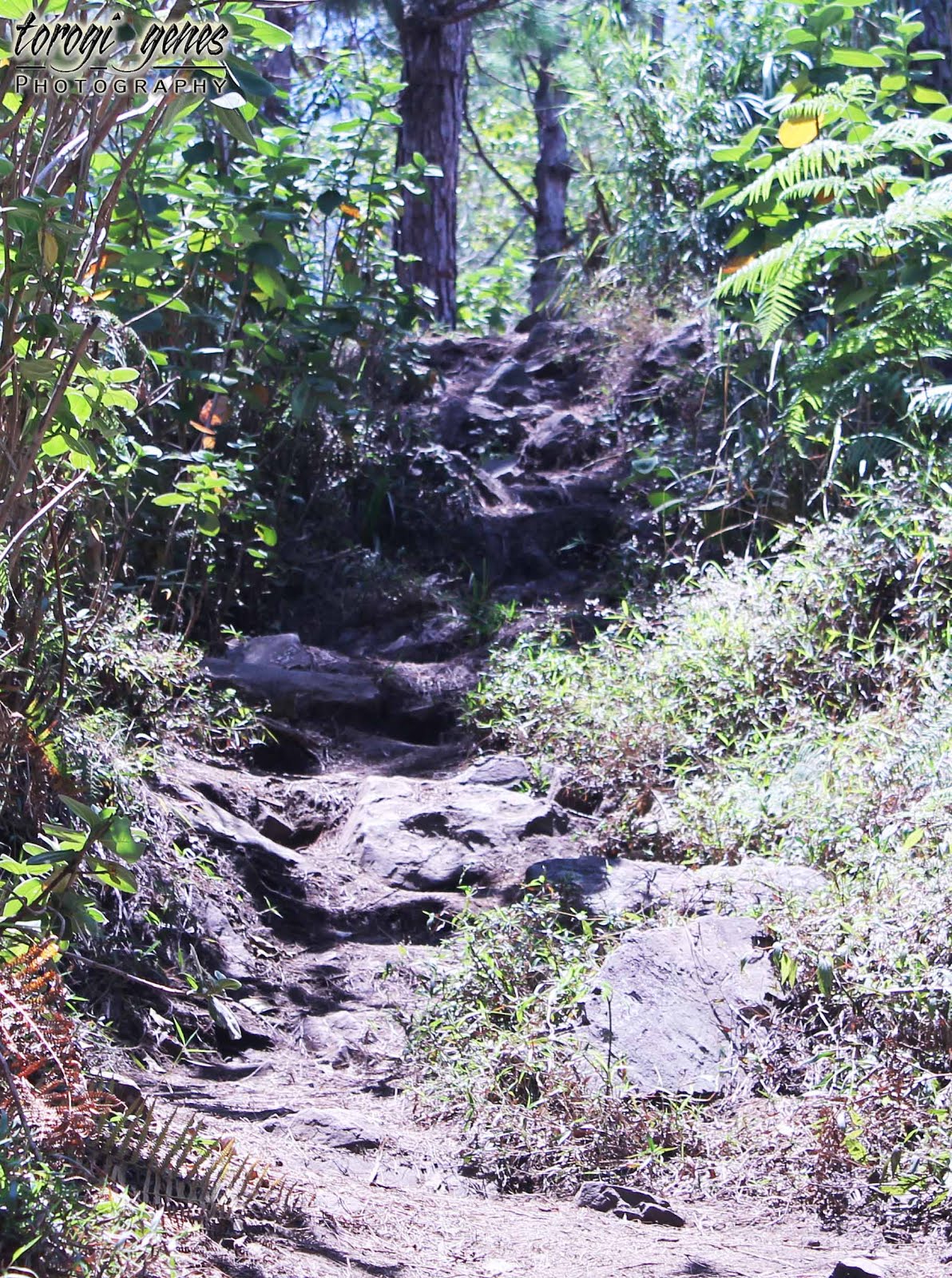
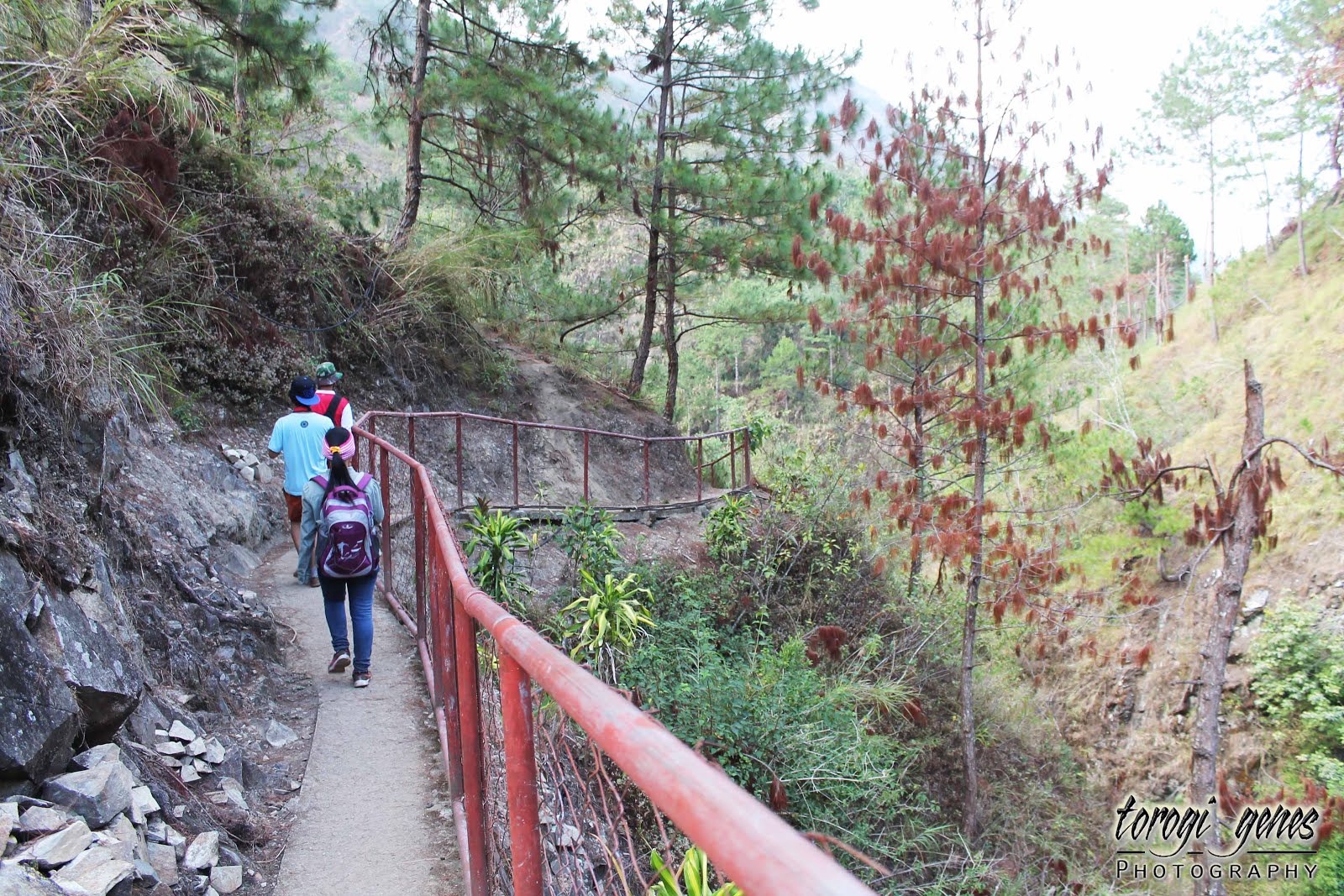
The trail is slippery during rainy season but the danger is as much present during summer. You need shoes that can conquer the dry, brittle and pebbled footpaths. Sprained ankle is one of the most common injuries to hikers during summer.

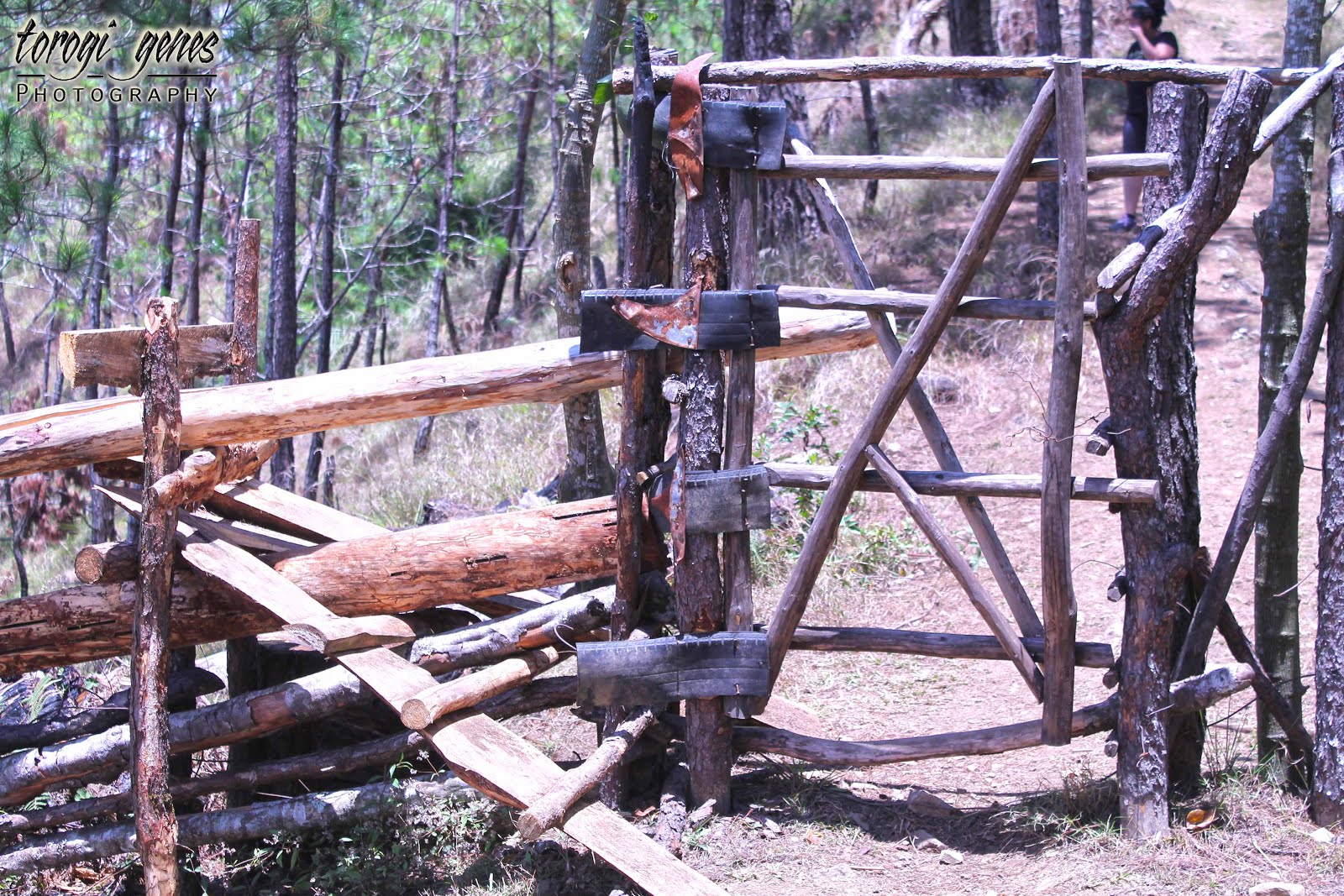
These are gates for cattle. Never open and pass through these gates; use the wooden makeshift stairs.
This is the first boulder along the trail where you can have a glimpse of the picturesque Itogon, Mt. Ugo, and even the mountains of Pangasinan.
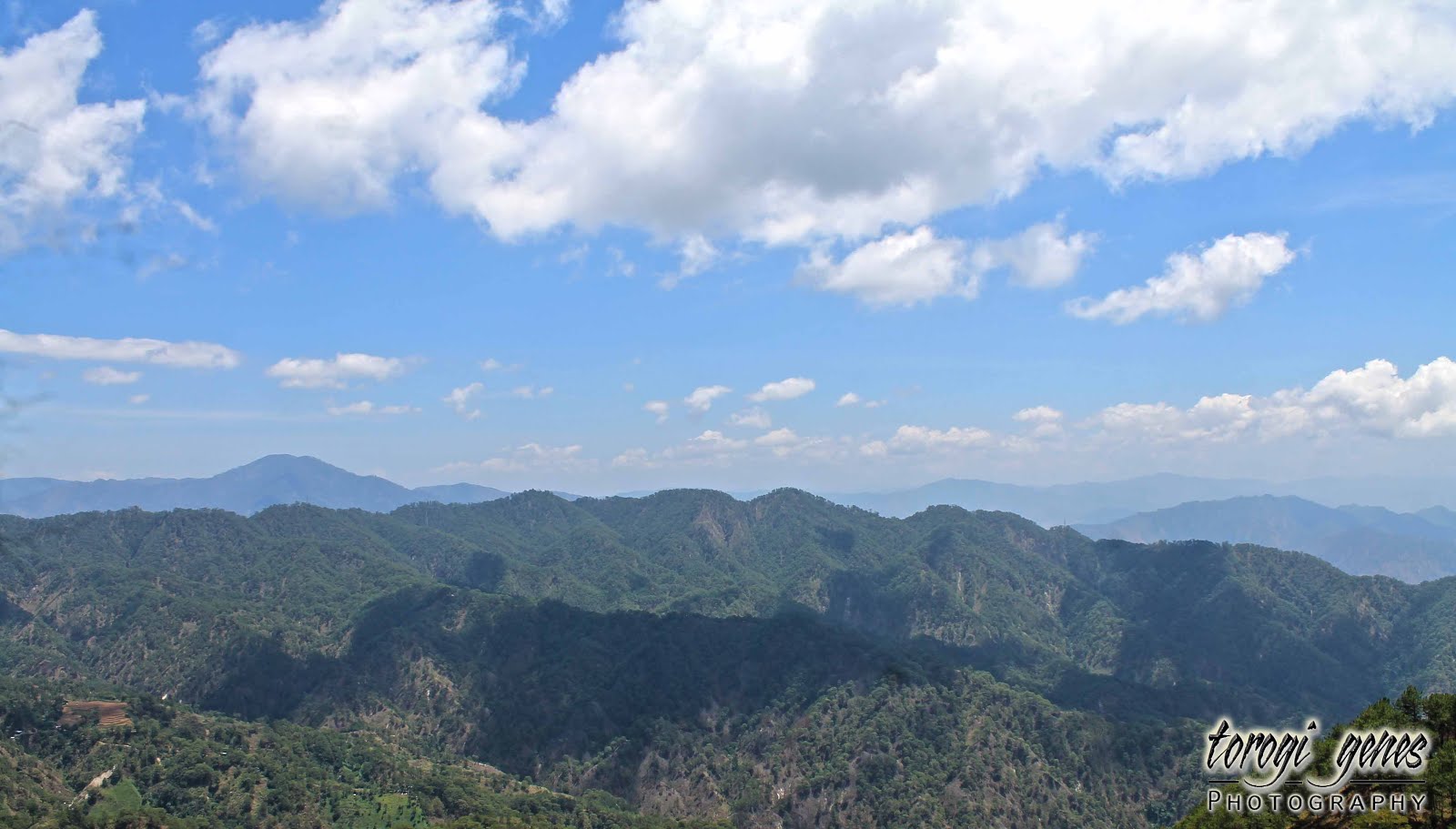
A typical yet enthralling view of The Cordillera.

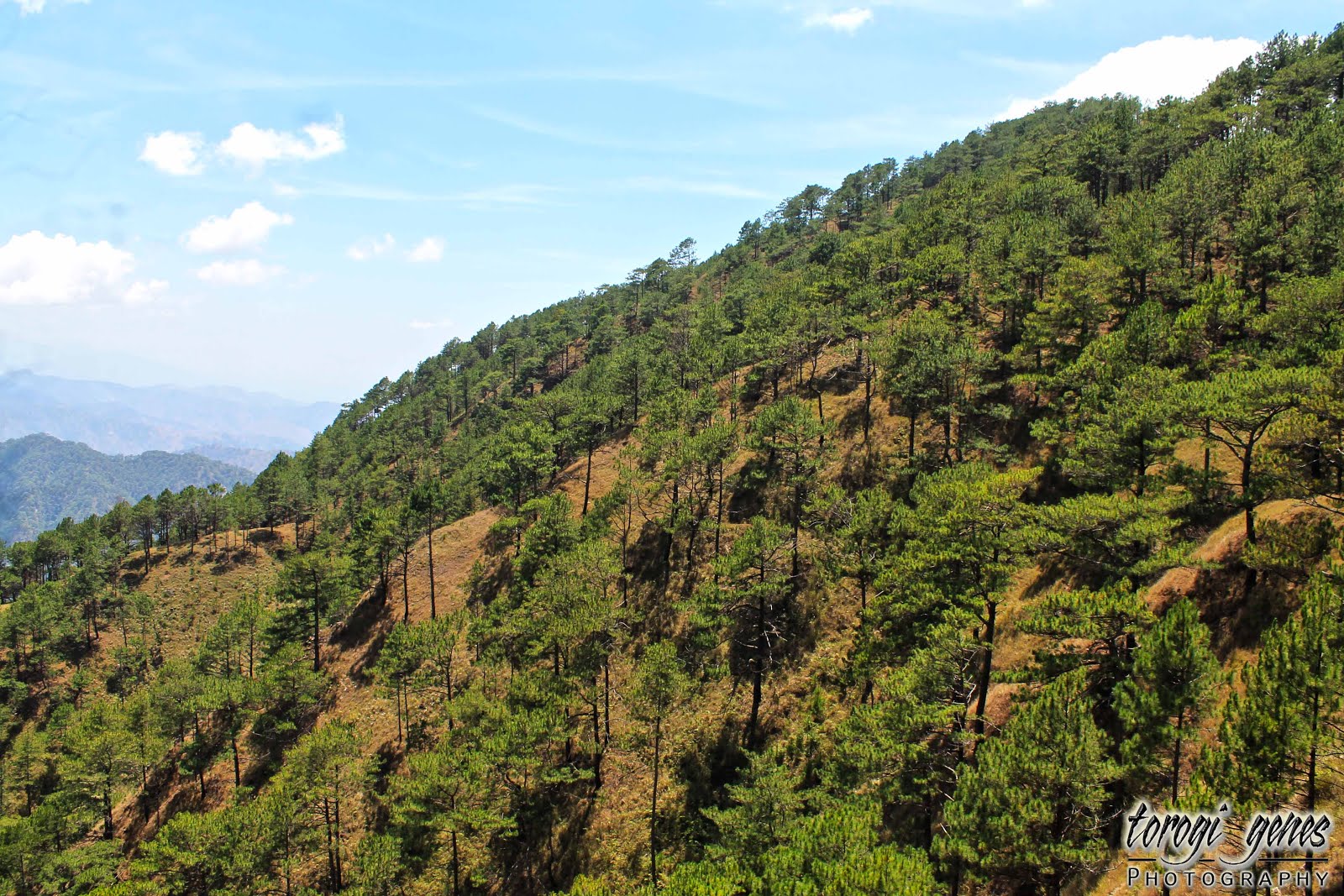
Pine trees and more pine trees but you’ll never get tired of it.
A corral for cattle branding.
Notice that most of the trunks are scorched. During summer, the dried pine needles are very combustible. Please be responsible not to cause fire during your visit [to any mountain].

A patch of pine tree saplings.
You will notice a lot of fallen trees. This was caused by previous tropical storms.
Cattle herd near the Ambanao Paoay peak.
Ambanao Paoay, the second station, is adorned with man-made stone stacks. This peak and its neighbour peak are cluttered with rocks, thus, often named as twin peaks.

The trail ahead as it snakes along the side and on top of the mountain as seen from Ambanao Paoay.

Pinit (Rubus niveus Thumb.), an indigenous wild berry in Cordillera, are commonly seen along the trail. This wild berry is edible.

Grassy sloped and sometimes dotted with pine trees is but one of many of what the Eco-Trail can offer.

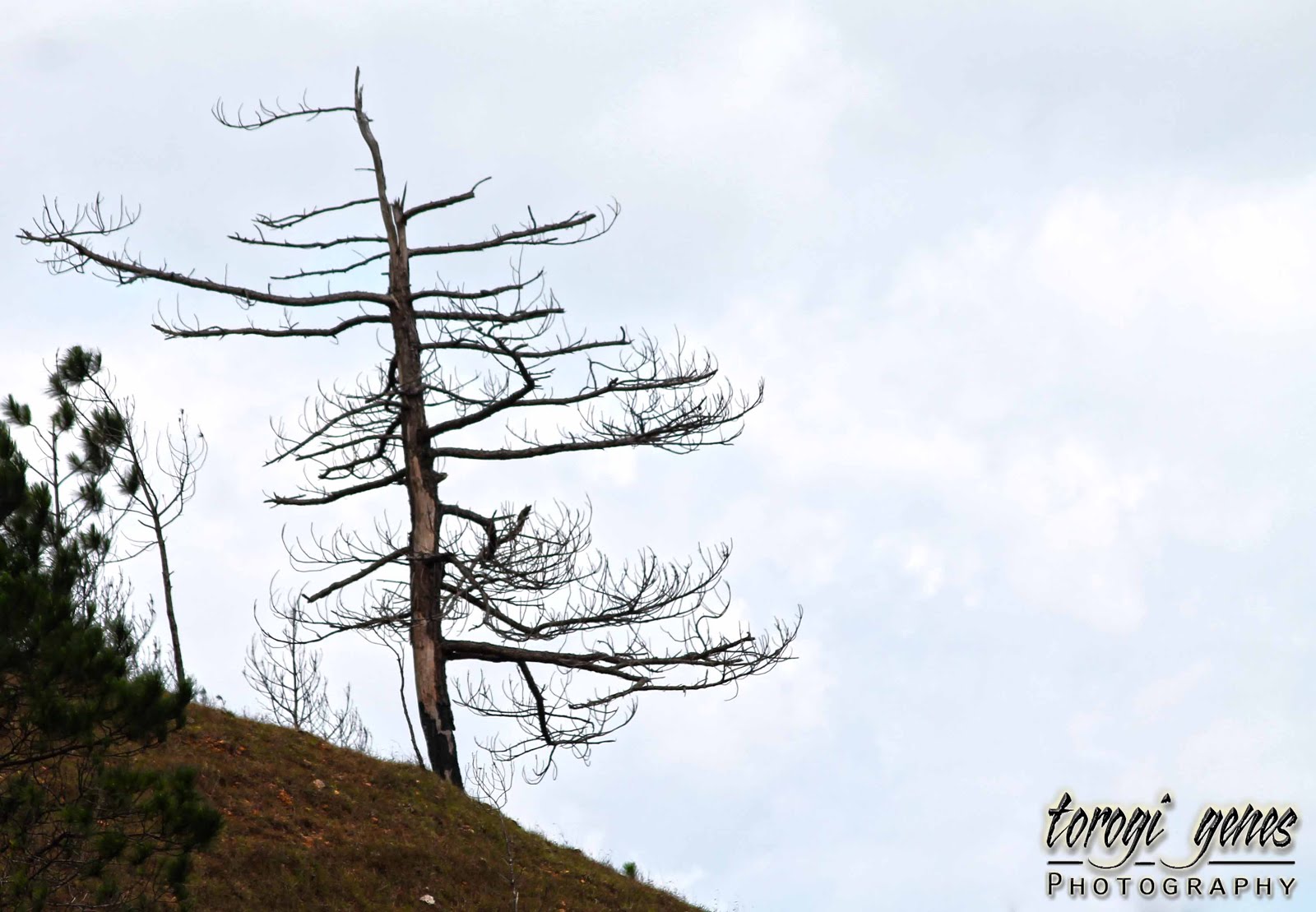
Even the dead pines trees have their own charm.

Grass-covered mountain top.

Pine trees and grassland: a perfect duo for the eyes.

You’ll love this more with a clear blue sky background.

We’re not there yet.
You need to be sure-footed.
Survivor pine tree.

Of ferns and stones.

Those seconds when you just want to sit and marvel at the beauty of the mountains.
Another boulder for photo ops.
Another angle of the previous picture.
Let’s continue the trek.
Further along the trail.
Like walking at the top of the world.
Grace even during death.
And we are at Gungal station!
The famous pentacle-vandalized Gungal rock, where the heaviest hiker traffic happens. When taking a selfie, dangling your feet at the edge is now prohibited.
The trail out of Gungal station.
A closer look at the grass that covers the mountains.
Grassland ho!
More grassland.
The lines seen in the photo are actually cattle  paths made for years.
Never pull sapling when heaving your body upwards along difficult trails.
A downhill path before the upward assault to the summit.
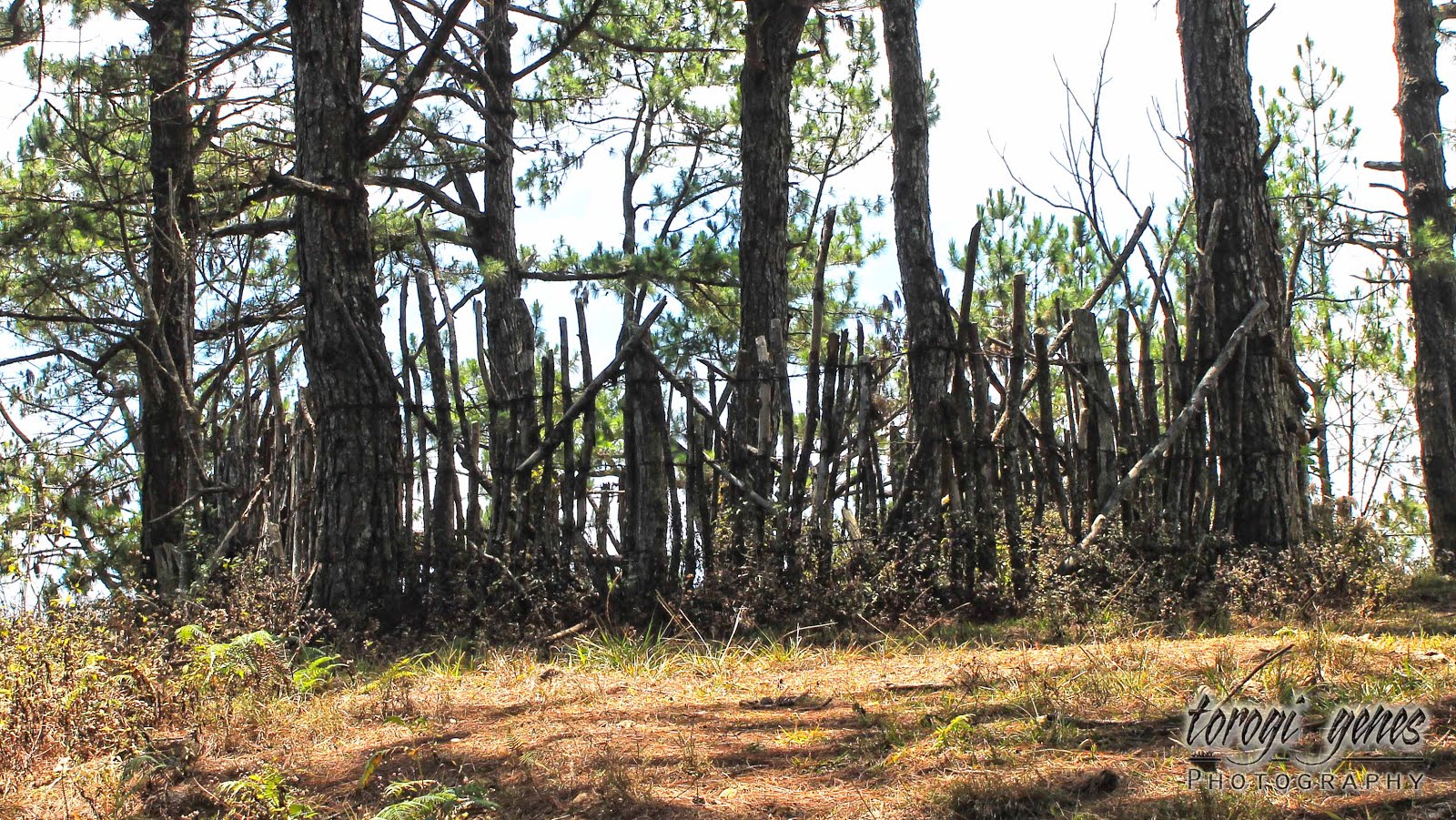
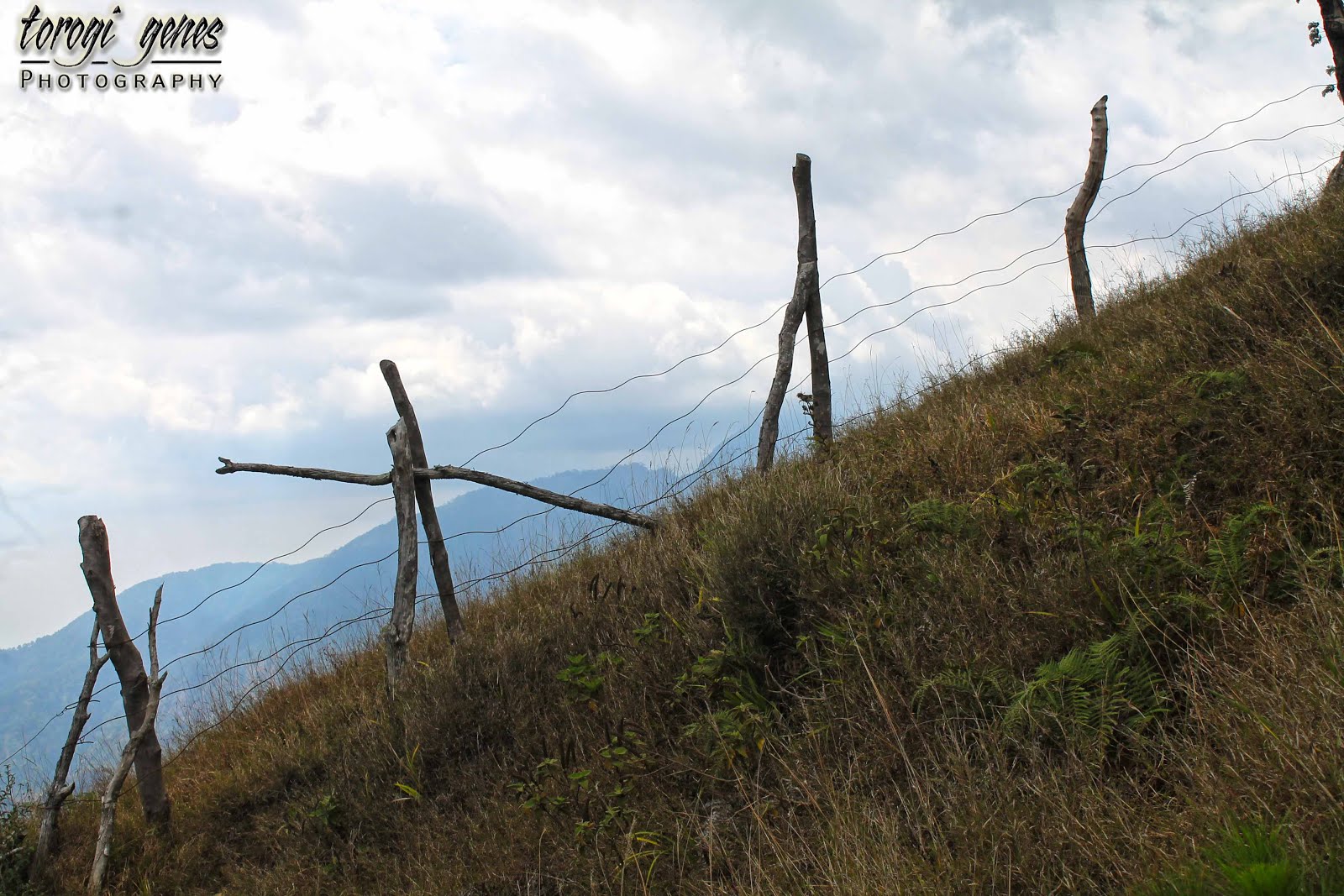
These fences either denotes the boundary of land ownership or serves as safety barricade for cattle.
  
Another indigenous plant along the trail.
A mossy area near the summit.
The marker at the highest point at the summit. Engineer Lagman is the first surveyor of the then known as Pong-ol mountain. However, he forgot the name and just wrote what he saw, obviously, ulap (clouds).
The summit—Mt. Ulap.
Start of descend from the summit.
More cattle!
Cattle close up.
Another angle.
A glimpse of where we’ve walked.
The camping site.
A stall selling refreshments near the campsite.
The camp site has a nice flat surface.
Parts of the downhill trail were steps made with pine branches.
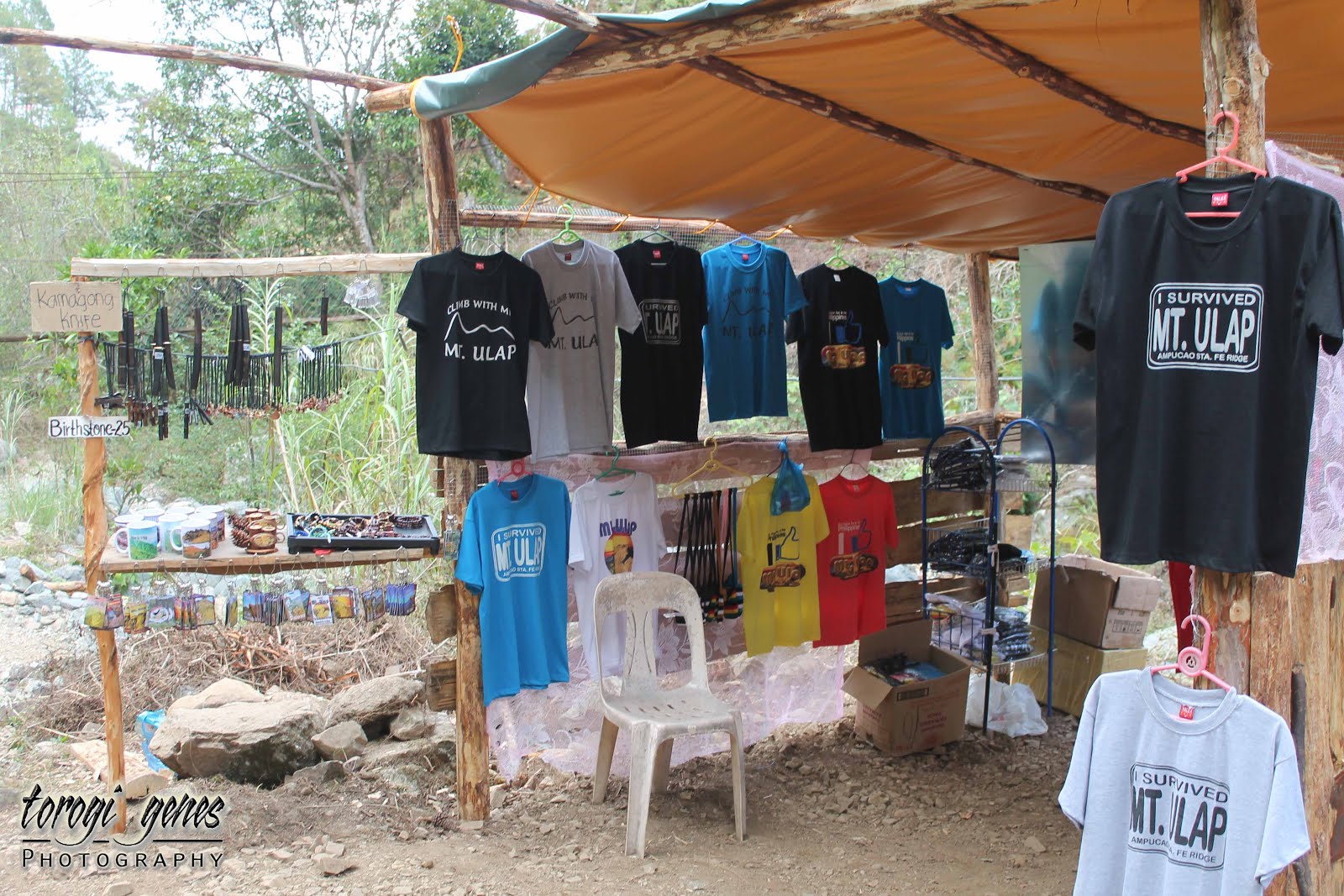
Shower areas, refreshments stalls and souvenir shops are available along Sta. Fe.
Concrete foot paths near the road.

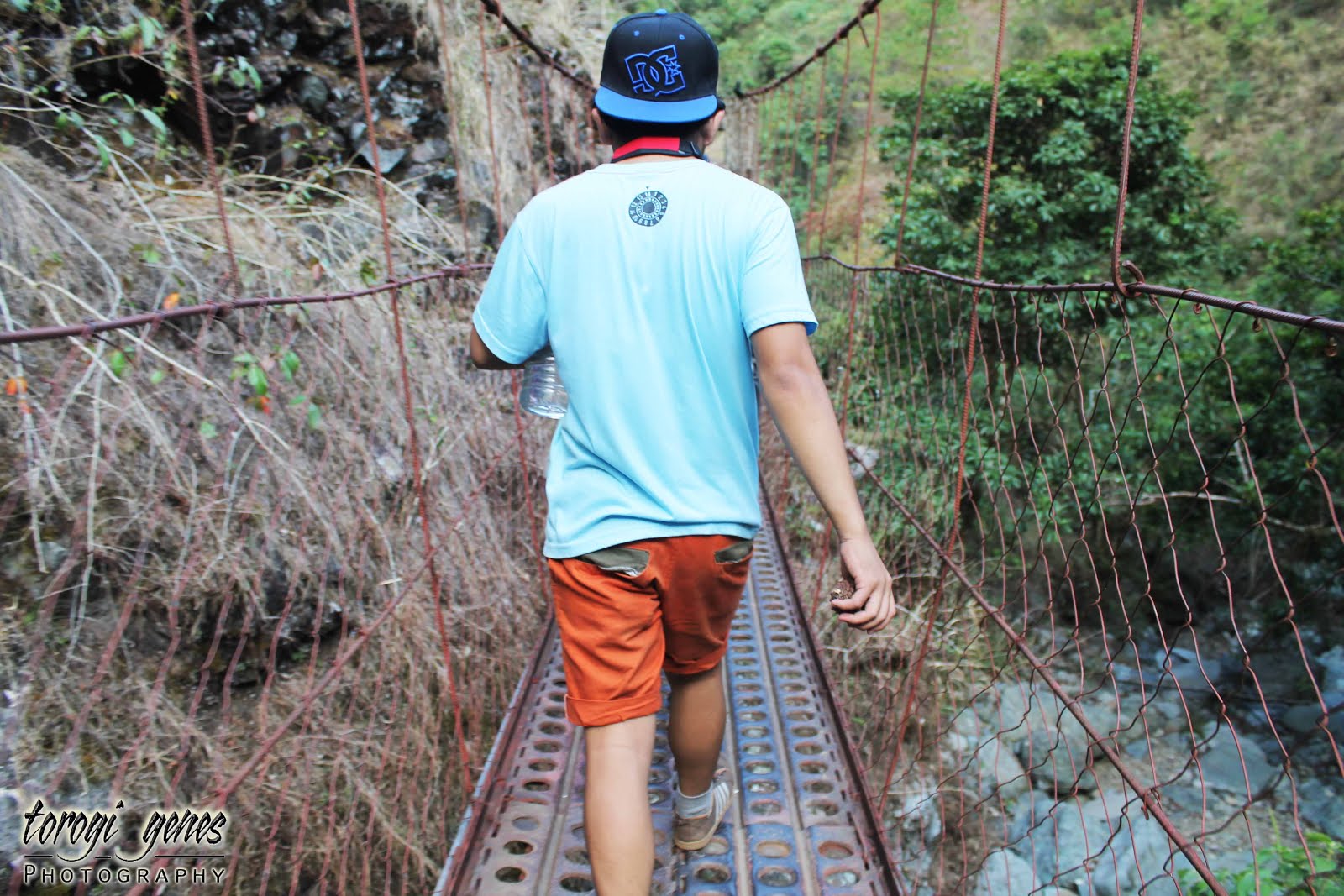
You will pass through a number of hanging bridges.

OKKALONG FALLS

OKKALONG FALLS
Location: Cabalitocan, Luna, La Union, Philippines
Major Jump-Off Area: Municipal Plaza, Luna, La Union
Contact Person: Tito Gorospe (Tourism Officer): 09158072728 (Mobile No.) OR (072) 607 0099 / 607 1132 (Landline)
Registration Fee: Php10.00
How to Get There:
·         From Manila or Baguio City, take a bus bound to Laoag, Vigan or Abra. Drop at Municipal Plaza, Balaoan, La Union. Take a tricycle near the Seven-Eleven Store to Luna town proper. Regular fare is Php10.00 while Php50.00 if you hire the tricycle. Take another tricycle to Okkalong Falls at Php200.00 round trip fare with waiting time. One-way travel time is about 20 minutes.
·         From San Fernando City, La Union, you can take a Luna-bound jeepney. Otherwise, follow the travel plan for those coming from Manila or Baguio City. Bus ride from San Fernando City to Balaoan costs Php30.00 for ordinary buses. Travel time generally takes about 45 minutes.
Description
Okkalong Falls (also Ukkalong Falls) is located in the mountainous barangay of Cabalitocan, Luna, La Union. Contrary to its name, it is not actually a water fall but an about 10-feet water cascade draining to a pool about the size of a half volleyball court. The pool is surrounded with tall trees, thus, getting sunburnt is less likely a problem. The area is obviously well-kept and is dotted with ornamental plants and orchids. Interestingly, there is a monkey in collar near the sari-sari store, probably for additional attraction purposes.
Amenities in the area include a small sari-sari store, a makeshift comfort room, and a shed with tables and benches. The shed is built primarily as a haven when raining.
Probably due to its size, Okkalong Falls is not as popular as Tangadan Falls in San Gabriel, La Union. However, locals flock to this area during summer and holidays.
Please be honest in paying the registration fee. The meagre registration fee goes to the maintenance of the area. Though Okkalong Falls is a small tourist attraction, it is regularly maintained even during off-peak season.
There is a footpath from Okkalong Falls that snakes up to the mountain. About 30-45 minutes uphill walk would lead you to a clearing that gives a panoramic view of the municipality with the sea as the horizon. Give another 30-45 minutes uphill hike and you will be blessed with a 360-degree view with the mountains of Bangar, Balaoan and Bacnotan in the eastern part.
Other notable tourist attractions in this municipality are the pebble-covered beaches, Baluarte ruin (Biyak na Bato) and Bahay na Bato.
Reminders:
·         If there is a sudden heavy downpour during the rainy season, do not linger in the river as it may swell to a dangerous level at any point in time. Cancel your trip if there is a continuous heavy downpour in the municipality.
·         Do not vandalize the stones by marker pens or etching upon it.
·         Stones along the river could be slippery.
·         Do not climb beyond the water cascade.
·         Do not wash things such as used plate, oily hands, etc. in the pool. Use the lower part of the river near the entrance for such activities.
Gallery
Okkalong Falls is quite popular among Luna locals. If you want solitude in a fresh water park, this is more convenient than the heavily-populated rivers and water falls in La Union.
The pool is about half a volleyball court and not deep.
Halfway to the top of the mountain, about half an hour uphill trek from Okkalong Falls, you can have a panoramic view of the municipality with the West Philippine Sea as the horizon.
At the top of the mountain in Cabalitocan, about an hour uphill walk from Okkalong Falls, the mountains of Bangar, Balaoan, and Bacnotan gives a breath taking panorama.

LA UNION CENTENNIAL TREE (ALSO KNOWN AS CARCARMAY ACACIA TREE; VICTOR ORTEGA TREE)

LA UNION CENTENNIAL TREE (ALSO KNOWN AS CARCARMAY ACACIA TREE; VICTOR ORTEGA TREE)
Location: Carcarmay, Bacnotan, La Union, Philippines
Major Jump-Off Areas: Poblacion, Bacnotan, La Union and Bitalag Junction, Bitalag, Bacnotan, La Union.
How to Get There:
·         From Poblacion, Bacnotan, La Union. There are three options:
ü  Hire a tricycle directly to Carcarmay Elementary School. Tricycle hire is Php80-100; or
ü  Ballogo route: take a PUJ bound for Paraoir or Darigayos. Drop at Ballogo Junction. Take a tricycle to Carcarmay Elementary School; or
ü  Bitalag route: take a north-bound mini-bus (Vigan, Laoag, or Abra). Drop at Bitalag Junction and take a tricycle to Carcarmay Elementary School.
·         From San Fernando City, La Union. There are two options:
ü  Take a north-bound minibus or PUJ bound to Bacnotan or Luna. Drop at Bitalag Junction and take tricycle to Carcarmay Elementary School; or
ü  Take a PUJ bound for Paraoir or Darigayos. Drop at Ballogo Junction. Take a tricycle to Carcarmay Elementary School.
·         Bus from Manila or Baguio City bound to Laoag, Vigan, or Abra or vice versa.
ü  Drop at Poblacion, Bacnotan or San Fernando City Plaza and take any of the above schemes; or
ü  Drop at Bitalag Junction and take a tricycle to Carcarmay Elementary School.
Description
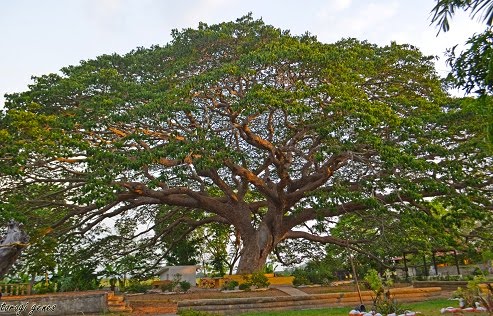
A silent witness of peace, war, and development, the La Union Centennial Tree in Barangay Carcarmay, Bacnotan, La Union is continually adding up years in its existence. With a trunk of about 8 meters, it easily gives shade to a very wide area of the Carcarmay Elementary School where it has rooted.
The tree’s age’s traceability and its mute part in the locality’s history is highly notable. In 1896, the late Innocencio Mendioro, a Grade 3 pupil of the then nipa hut primary school, planted this acacia tree (Rudio, 2014a). Interestingly, this is the age of Dr. Jose Rizal’s execution. During the World War II, the shade of the Centennial Tree had been a sanctuary of the Japanese soldiers and their Filipino friends from the heat of the day. In time of peace decades later, one of these Japanese soldiers even used this as a marker in locating their former base (Rudio, 2014b). Rudio also cited that locals even have belief that treasures could be buried beneath its ground. In 2013, the caring and protection of the La Union Centennial Tree was officially transferred to Carcarmay Elementary School.
The La Union Centennial Tree was proclaimed as one of the 13 other Philippine Centennial Tree under the Department of Environment and Natural Resources (DENR) Administrative Order No. 98-25 on 03 June 1998. This AO also proclaims these centennial trees as Protected Trees. This also mandates a multi-sectoral effort in protecting these trees and the provision of corresponding penalties and for damage or injury to the tree (Rudio, 2014a).
Reminders:
·         The school where it is located is open for tourists even during weekends and holidays. It highly advisable though to go there outside class hours to avoid disturbance and to ask permission from the locals or school teachers.
·         As the tree serves as shade to the program and activity ground of the school, please maintain cleanliness and moving any equipment, furniture or things within the premises is highly discouraged.
·         Do not climb the tree.
Gallery
You need to go through the entrance of the Carcarmay Elementary School. It highly advisable though to go there outside class hours to avoid disturbance and to ask permission from the locals or school teachers.
The marker is also pursuant to the Department of Environment and Natural Resources (DENR) Administrative Order No. 98-25 dated 03 June 1998.
This tree served as a shade under the sun by pupils, soldiers, and community locals alike in parts of the Spanish colonization, Japanese and American invasion.
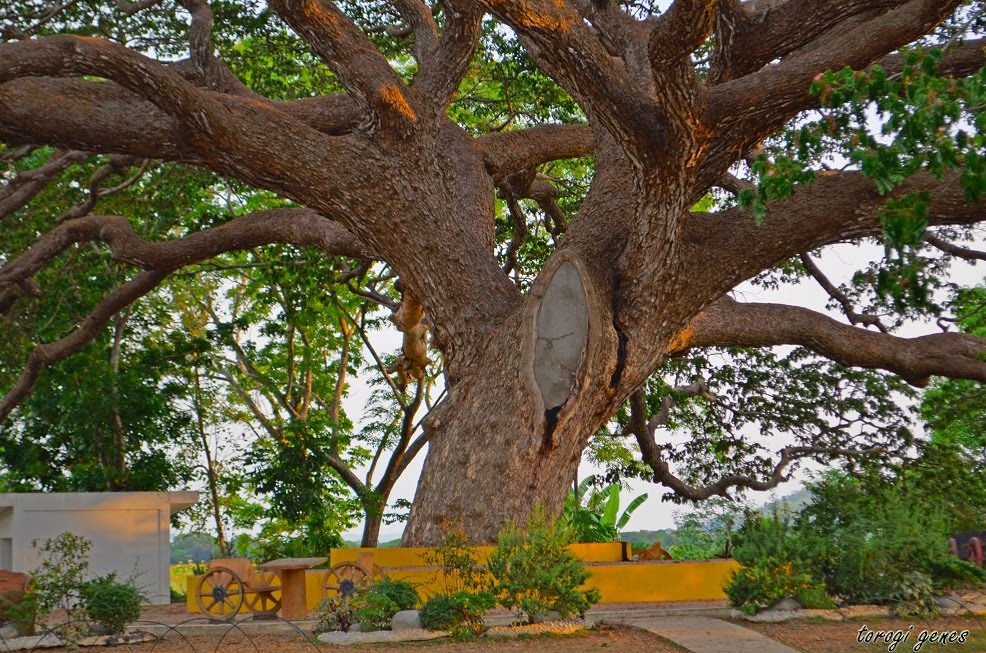
The circumference of the trunk is about 8 meters.
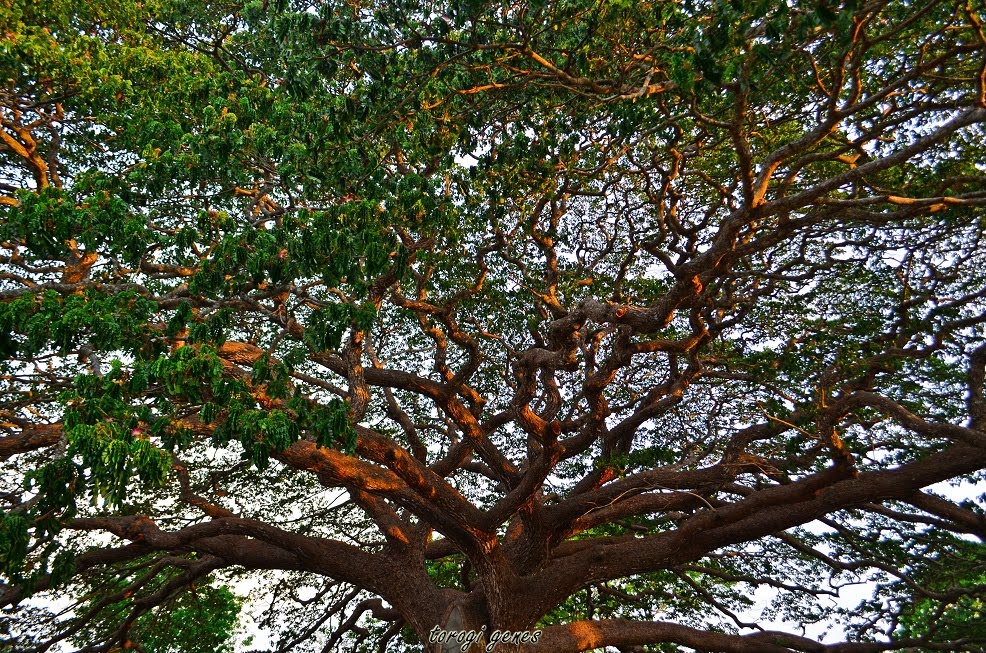
Branches branching out! Well, this is how it covers more than a quarter of the school premises.
REFERENCE LIST:
Rudio, O. O. (2014a). News Item: MINDA Park Blessing & Turnover Ceremonies Held. Retrieved on March 15, 2016 from Probinsial Gobierno ti La Union Opisyal nga Website: http://www.launion.gov.ph/iloko/print.php?newsnews.416.
Rudio, O. O. (2014b). La Union Centennial Tree. Retrieved on March 15, 2016 from Provincial Government of La Union Official Website: http://www.launion.gov.ph/page.php?165.

Tangadan Falls


TANGADAN FALLS
Location: Amontoc, San Gabriel, La Union, Philippines
Major Jump-Off Area: Poblacion, San Gabriel, La Union
How to Get There:
·         Public transportation:
1.       Via San Fernando City, La Union. Take a PUJ (terminal at the northern side of the San Fernando City Round Market bound to San Gabriel. The regular fare is Php26.00. All San Gabriel-bound PUJs will stop at Barangay Poblacion with 30 minutes to an hour duration depending on the traffic. Preferably, you need to go to the San Gabriel Municipal Hall for arrangement of tour guides and transportation bound to Tangadan Falls parking area in Barangay Amontoc. For DIY transportation arrangement, you can ask the locals where to hire a PUJ or a motorcycle. Round trip hire including waiting time is Php1500.00-Php2000.00 for PUJ and Php350.00 for motorcycles. PUJ ride usually takes about 20 minutes; this is typically shorter when riding a motorcycle. From the parking area, you need to hike downhill on uneven [some parts are paved] foot path at least 10 minutes [for fast hikers] or [usually] longer depending on your pace. Going back may take thrice as much since you’ll be hiking uphill. (Take note that there are no PUJs going to the area on an hourly basis. Usually, there is a single Poblacion to Amontoc trip during or after lunch hours and Amontoc to Poblacion trip only in the morning. Thus, there is a need to hire a PUJ or motorcycle in a round trip basis if you don’t have your own transportation.)
2.       Via San Juan, La Union. Wait for San Gabriel-bound PUJs at the national hi-way crossing north of the San Juan Municipal Hall. There is a small sign “→ San Gabriel” along the crossing. Fare is around Php16.00
3.       Via Bacnotan, La Union. Take a PUJ from Poblacion, Bacnotan to Poblacion, San Gabriel. This is the least suggested itinerary since there is a limited Bacnotan-San Gabriel trips.
4.       Via Bucao, San Gabriel, La Union. This route is highly advisable when your transportation budget is limited. Take a tricycle from Poblacion, San Gabriel to Duplas, San Juan (via Bucao). Tricycle fare is PhP80.00. The hike, however, may take about an hour or even much longer to those who have a slower pace. This has a longer hike time than via Amontoc and thus not advisable to those who have no patience in exerting physical effort. On the other hand, this route might be more interesting to adventurous pips.
·         Private car: Google map suffices for direction. Also, asking the locals is highly advisable. 
1.       Via San Juan, La Union.
2.       Via Bacnotan, La Union.
Description
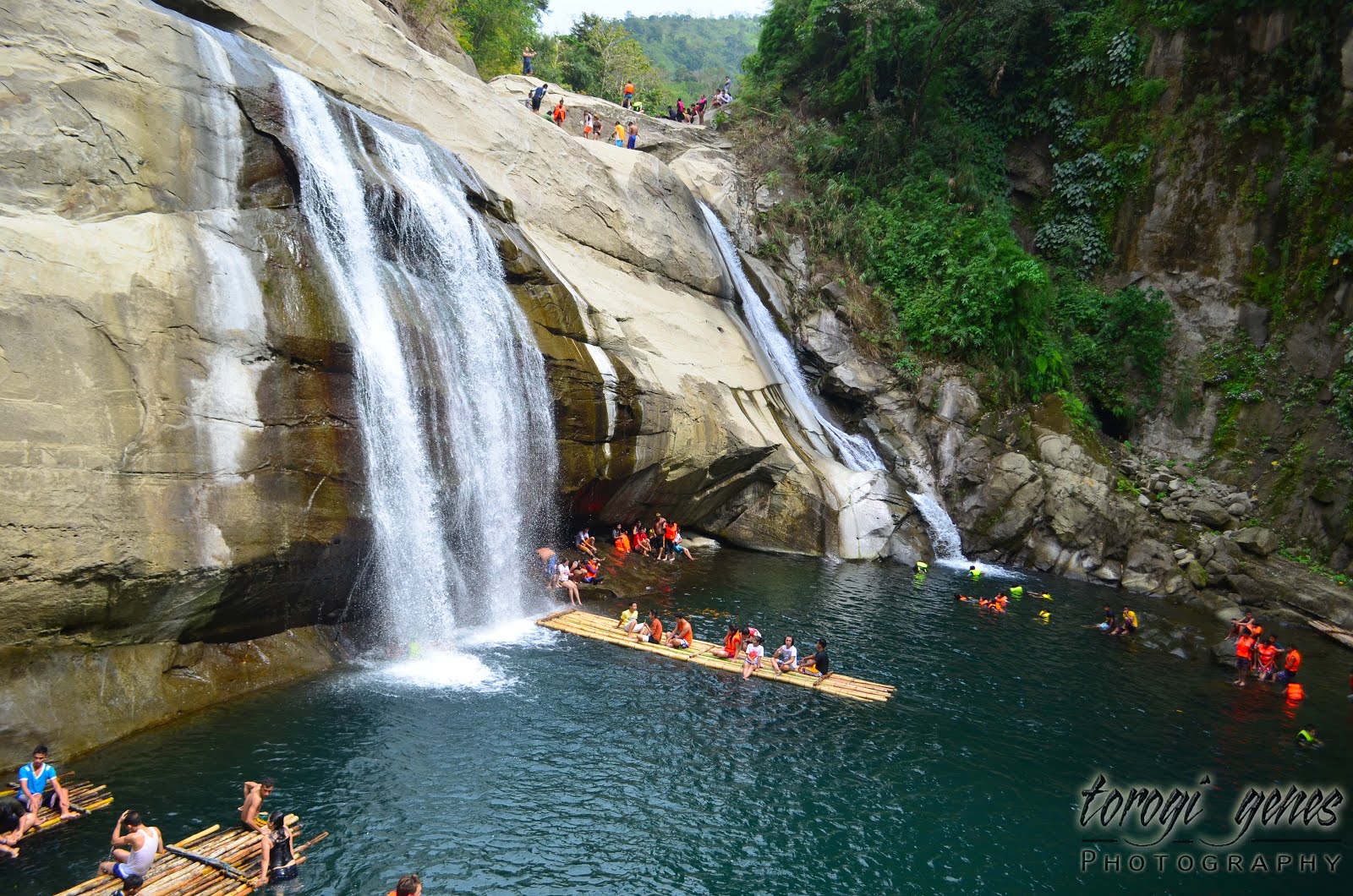
Tangadan Falls is located in Amontoc, San Gabriel, La Union, a predominantly mountainous municipality in Region I. The name of Tangadan Falls is derived from an Ilokano root word “tangad,” which means to look up, probably due to the about 40–feet high water plunge.
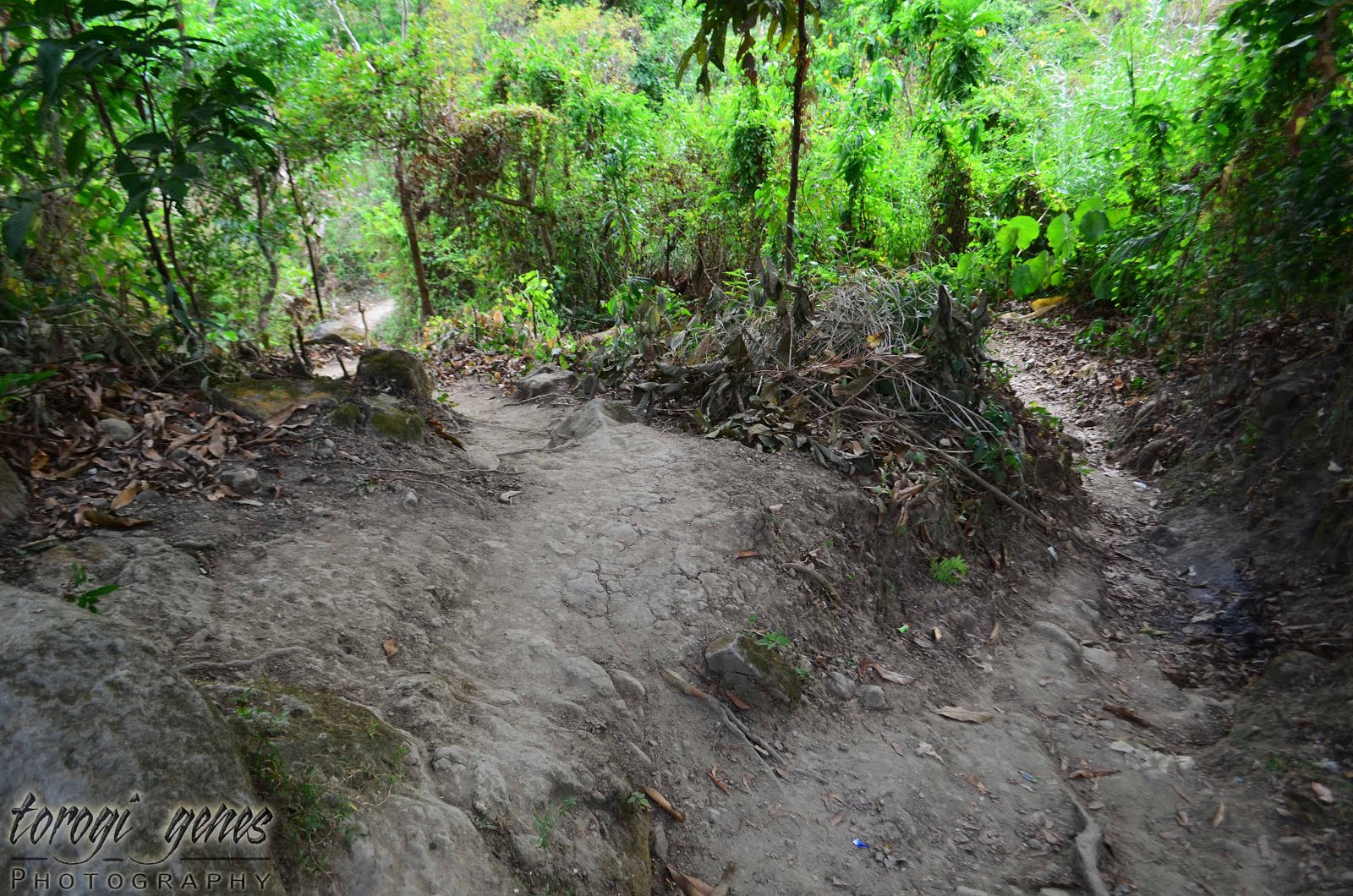
Via Amontoc: Strenuous the hike as it may be, your physical effort will be rewarded with the mesmerizing cascade-to-pool and waterfall-to-pool series. From the parking area, you need to traverse a downhill footpath for at least 15 minutes. This may take longer depending on your pace and the condition of the path. Halfway, you will hear the roar of the water. During rainy season, the unpaved parts of the path tend to be muddy and slippery. Also, during this season, you may be rewarded with green vegetable gardens and rice paddies in you trek. Your bodily exertion during the hike will be rewarded when you reach your destination: clean, clear and invigoratingly cold water in a short cascade-to-pool-to-waterfall-to-pool series.

Via Bucao: About an hour walk from the turning point, you will pass by farms, irrigation dikes, and generally the river snaking up to the glorious Tangadan Falls. To nature-lovers, the rivulet, naturally-occuring pools, fishes (especially the abundant locally-termed “Bunog”), underwater grasses, diving cliffs, and low-height falls are but a few of the many delights en route.
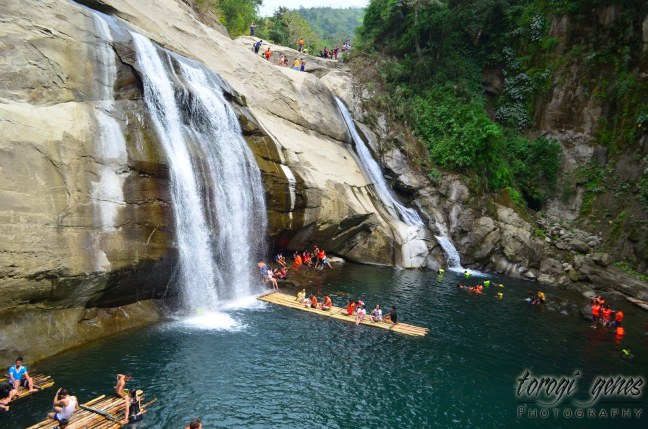
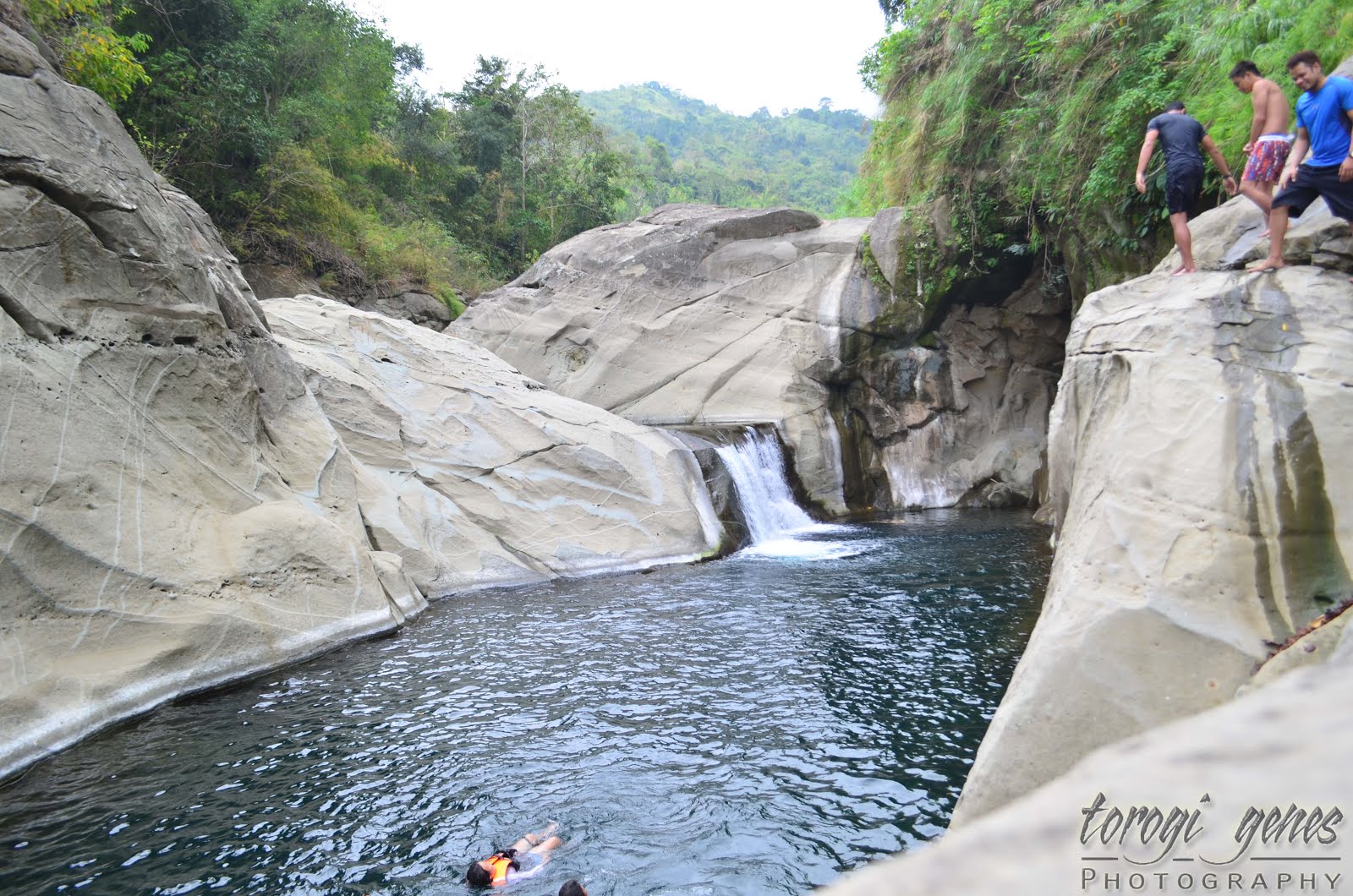
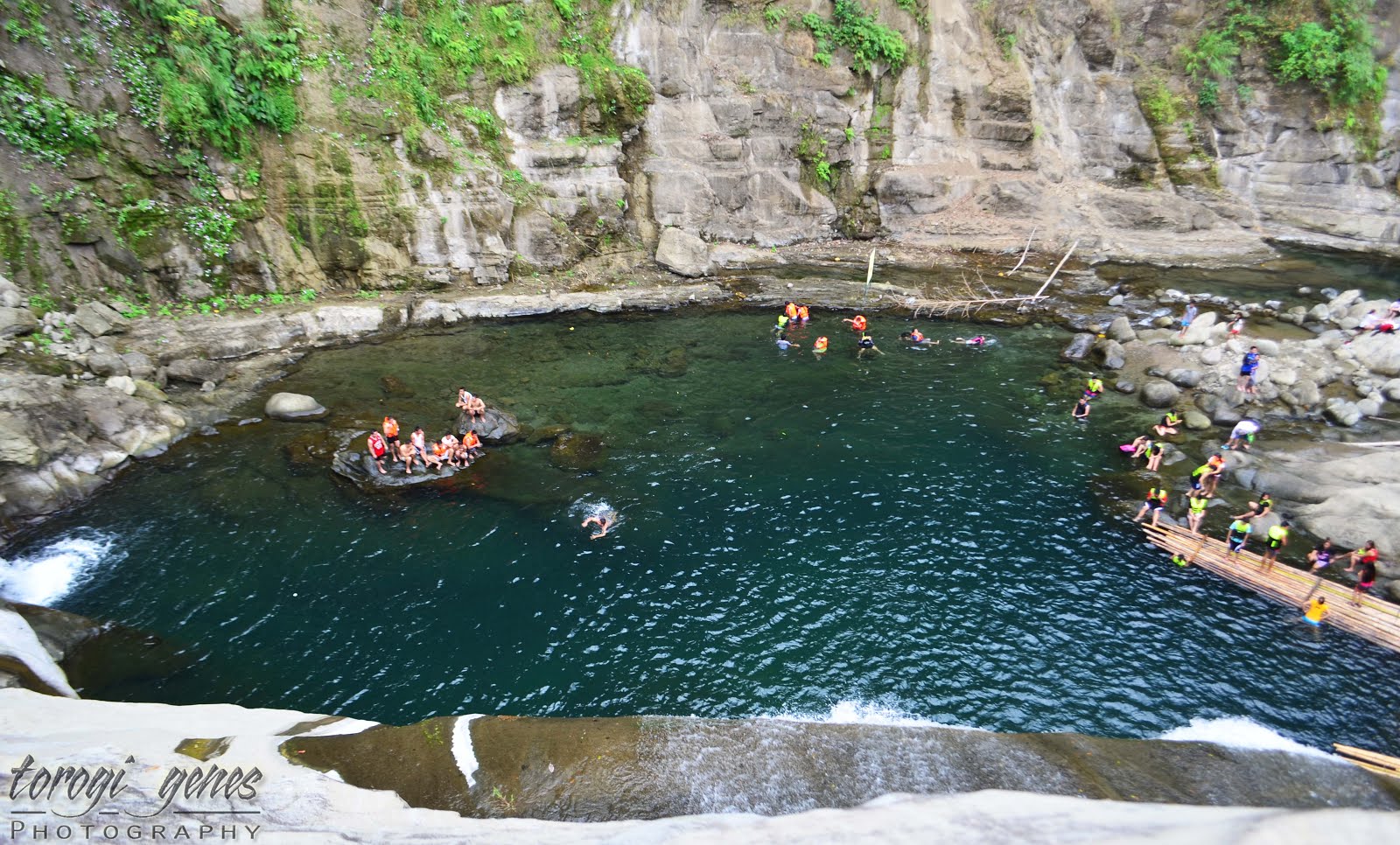
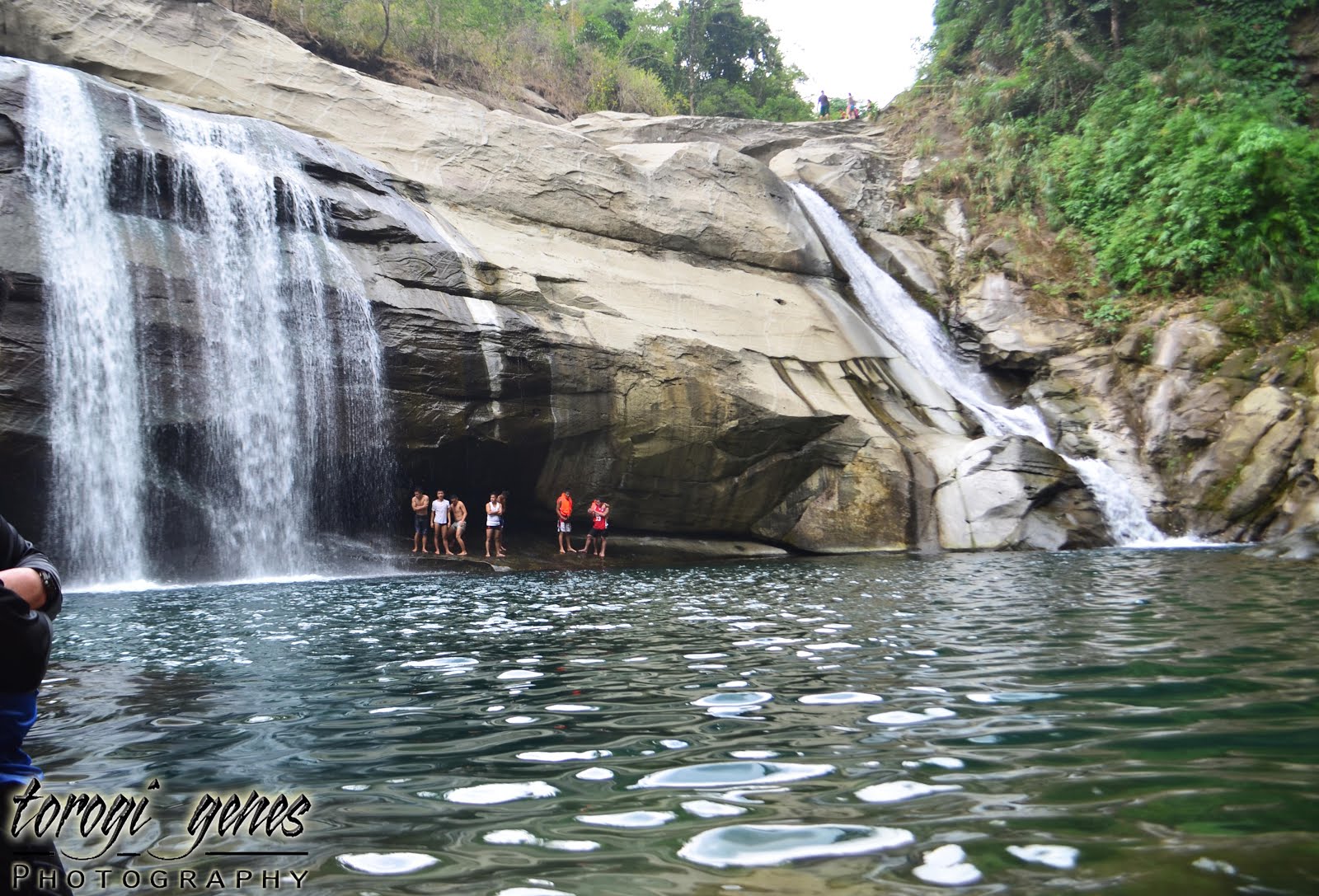
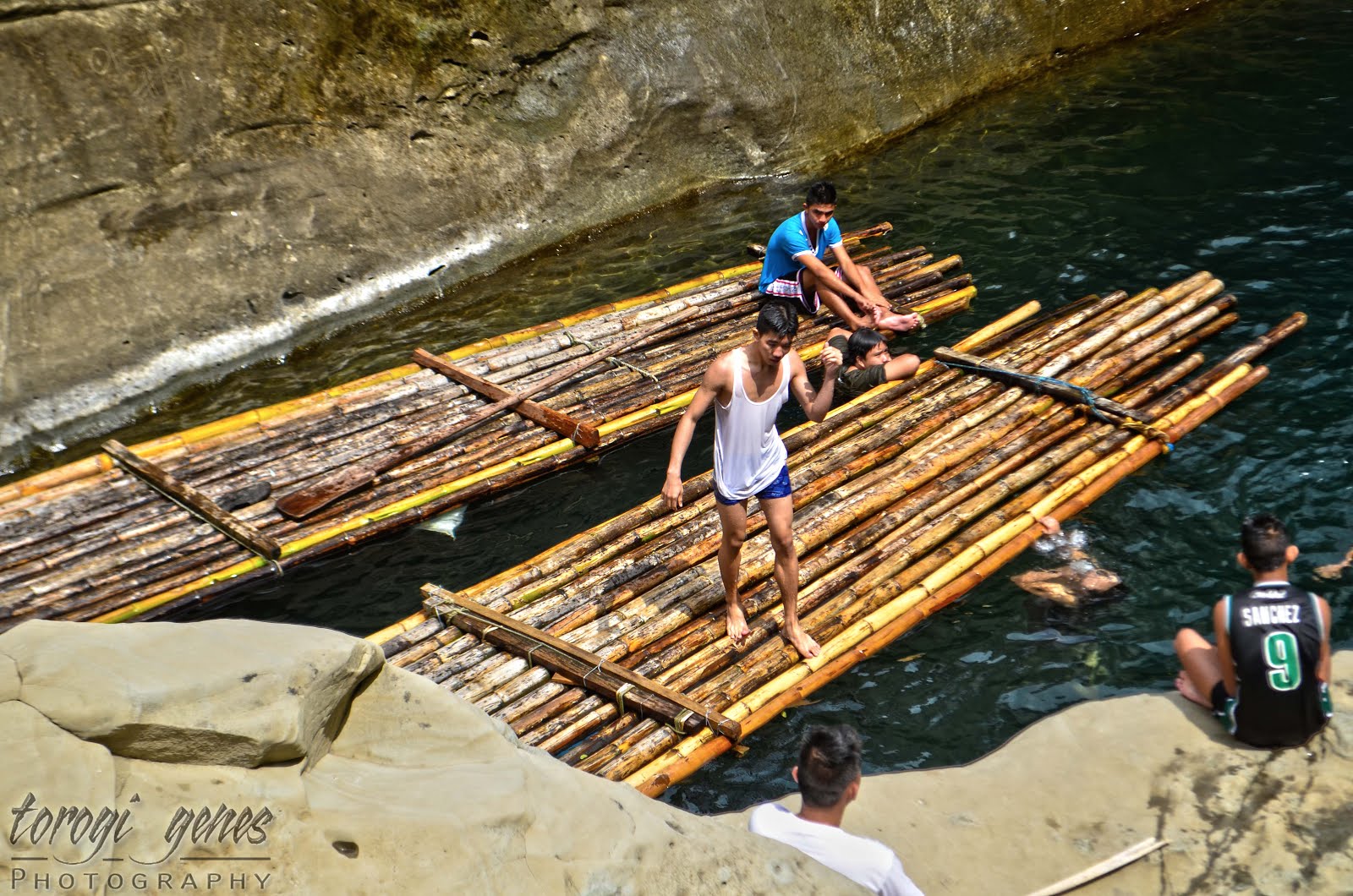
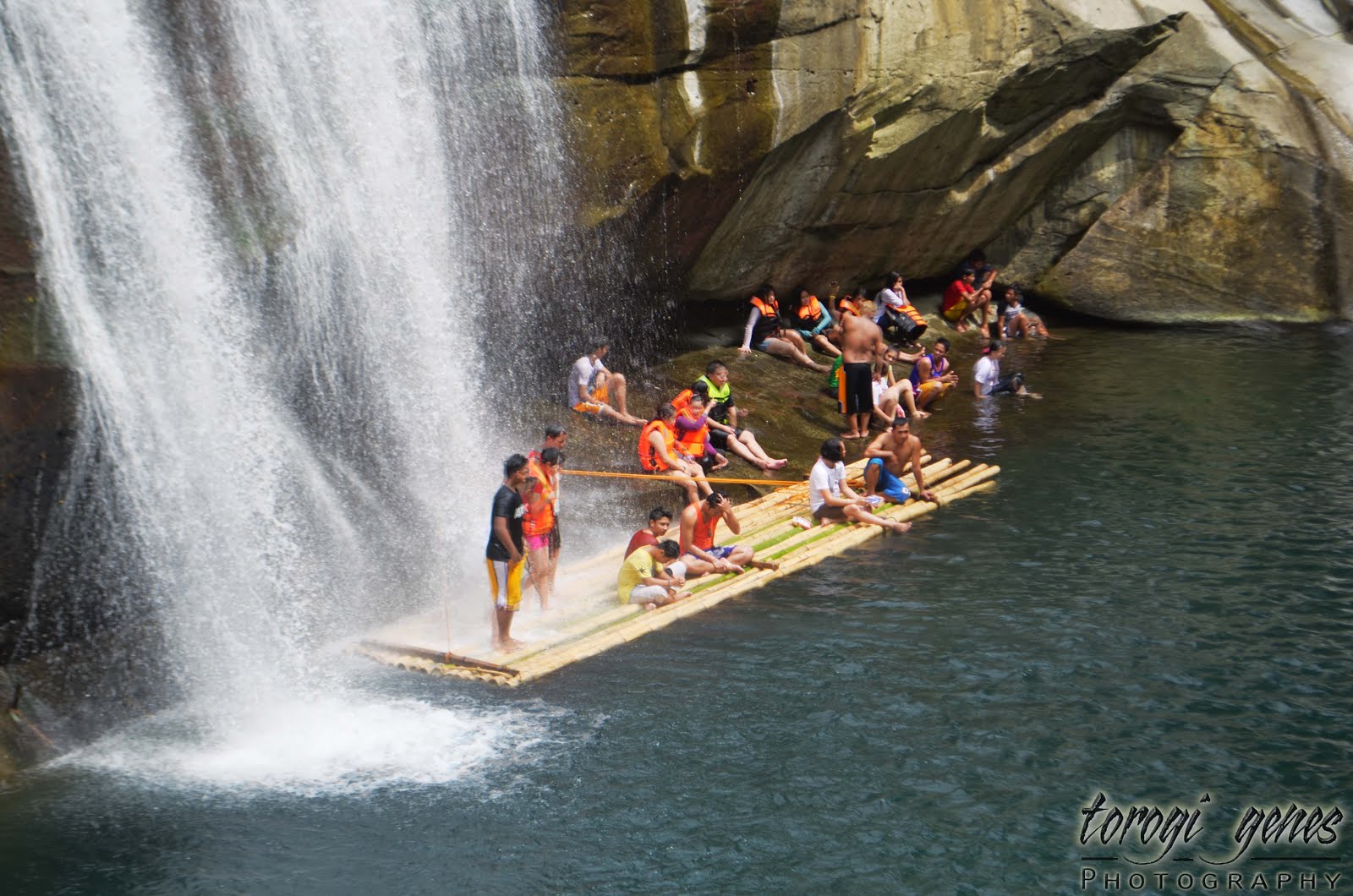
Tangadan river could be divided into two levels: upper and lower. The upper level is composed of a short cascade of about 7 feet high and 4 feet wide. The width of the cascade narrows or widens depending on the season and amount of rainfall. Through the steep stone slope, water cascades to the narrow pool below. The pool is deep and about 30 feet wide by 90 feet long. It is surrounded with steep stone walls. The lower wall is easily accessible and serves as the diving and jumping point. The water from the first pool exits through a narrow outlet that splits into two. The smaller outlet exits as a narrow cascade to the right of the precipice. The bigger outlet flattens as it moves above the rock ledge and plunges down to the wide pool of the lower level. The size of the pool could easily engulf two basketball courts. As of the beginning of 2016, there are three bamboo rafts (“raket” or “balsa”) which can be hired. You may ask the operator to take you near or under the falls, which tourists usually do. This is common because the jets of falling water gives a natural massage. Unlike in hand massage, you control the pressure by your proximity to the waterfall. You can also exhaust yourself swimming in this pool because of its size, thus the need for life vest for those who are not good and non-swimmers. The water from the second pool flows out through slippery rocks and exits to a gentle, wide, long, and 2-4 feet deep basin. Somehow, this is more conducive to children who does not know how to swim and those who wants to learn how to swim.
Amenities (rental prices may vary or increase without prior notice):
·        Parking fee: Php10.00
      Cottage: Php200.00-300.00.
·         Life vest or salbabida: Php50.00.
·         Bamboo raft (“raket”): Php400.00 (maximum of 10 pax)
Reminders
  • Cancel your trip if there is a continuous heavy downpour in the municipality.
  • Registration is a must to all tourists.
  • Wear comfortable walking or hiking shoes and clothes.
  • Strictly no cooking, grilling, and the likes. Take pre-prepared foods including water.
  • Life vest is a must for those who cannot swim in fresh water. Drowning is higher in fresh water than sea water.
  • Do not vandalize the stones by marker pens or etching upon it. As of late February 2016, the extent of etches upon stones have yet to abate.
  • Eating and throwing of garbage or food scraps along the river is prohibited.
  • The Municipality of San Gabriel is a Red Orchid Awardee and also awarded by the Civil Service Commission and the Department of Health as the Best LGU Implementer of Smoke-free Program in Region 1 (CSC, 2013). Most of the tourists in Tangadan Falls do not know this and are unendingly a-huffin’ and a-puffin’ clouds of cigarette smokes in and around the cottages.
  • When riding a PUJ to or from Tangadan Falls, “topload style” is allowed, as this is not uncommon among PUJs bound to the municipality’s mountain barangays. Make sure that you are secure and to always be vigilant in your grips. Take note, however, that the locals are used to this and are aware to strengthen and secure their grips in parts of the ride. Though, no accidents involving tourists on “topload style” is reported yet, do not be the first in the local statistics.
  • Do not go or cross cordoned areas (barricaded with bamboos or branches).
  • Stones along the river could be slippery.
  • If there is a sudden heavy downpour during the rainy season, do not linger in the river as it may swell to a dangerous level at any point in time.
Gallery


This is the start of the downhill trek. The surface of the unpaved footpaths can be easily powderized under your shoes during summer. However, it is muddy during rainy season. In both cases, you need comfortable walking or hiking shoes. Non-hikers need to be careful in these unpaved footpaths.
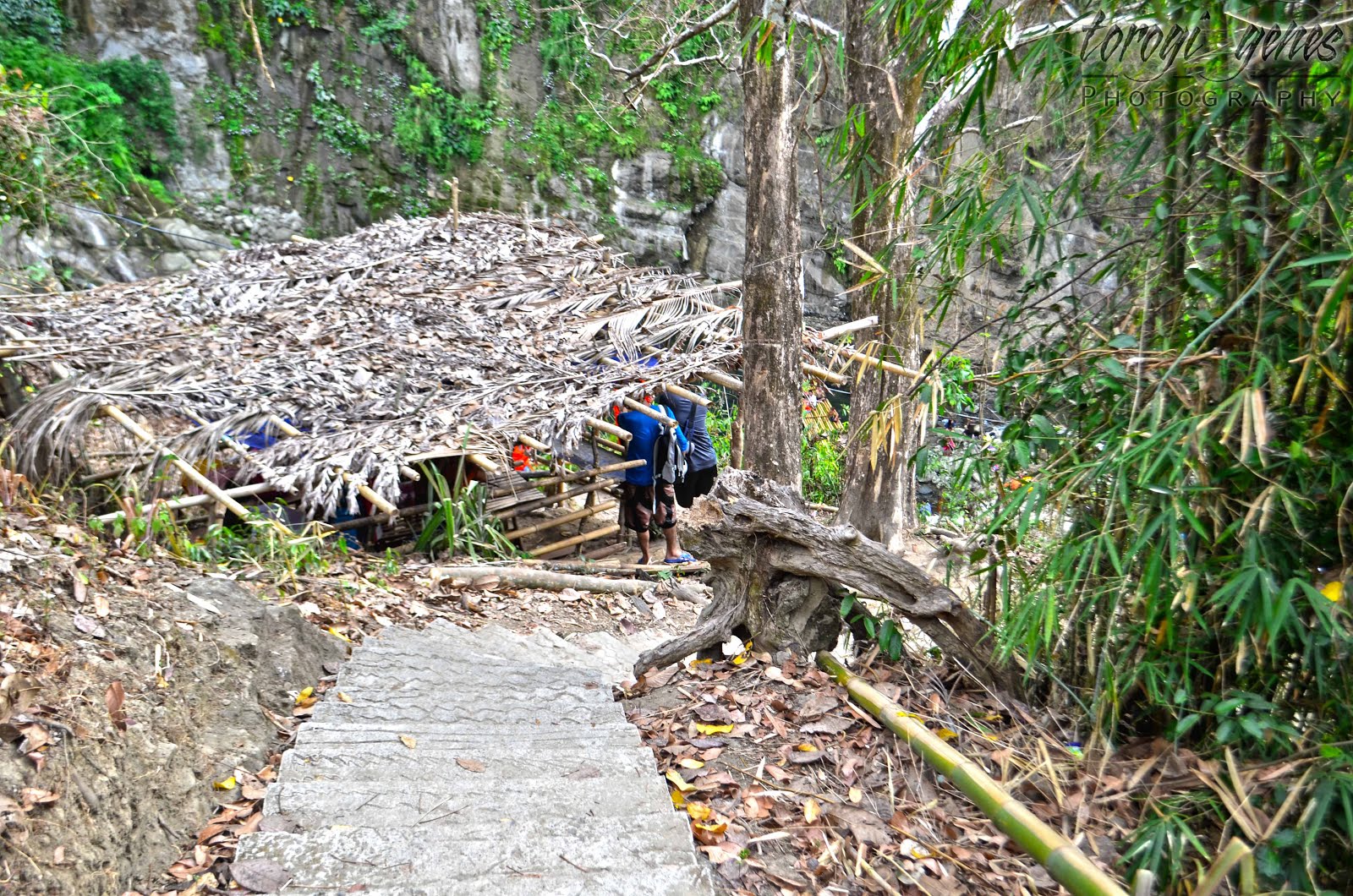
The stretch of paved footpaths is increasing each year as Tangadan Falls visitors increase. There is even a plan of extending the paved road nearer to the waterfall.

This is the first view which invites you to go nearer.
The upper part consists of a short cascade and a narrow pool. The lower wall of the pool serves as a diving and jumping point.
The upper pool narrows down towards the water exit.

 
A complete view of the upper level.

The water from the first pool exits through a narrow outlet that splits into two. The smaller outlet exits as a narrow cascade to the right of the precipice.
The shallow part as the water exits from the upper pool towards the plunge.
The water from the first pool exits through a narrow outlet that splits into two. Above is the bigger outlet before it flattens near the ledge.

The water from the first pool exits through a narrow outlet that splits into two. The bigger outlet flattens as it moves above the rock ledge and plunges down to the wide pool of the lower level.
The great plunge and the narrow cascade.

 
View from near the water exit of the second pool.

Two of the three bamboo rafts (“raket” or “balsa”).
You can hire a bamboo raft and try the back massage under the waterfall.
A closer look at the narrow cascade.

 
This cascade has a more brute force and greater volume during rainy season. 


Careful! The rocks are slippery.

The water from the second pool flows out through slippery rocks and exits to a gentle, wide, long, and 2-4 feet deep basin. Somehow, this is more conducive to children who does not know how to swim and those who wants to learn how to swim.

The organic cottages is but one of the reasons why cooking with fire is prohibited in the area.

The shower facility. But then again, why do you need one? The water you’re going to shower is the same water you’ve waded minutes ago!
Well, don’t get too tired while swimming. Remember, you’ve got a steep climb ahead!
REFERENCE LIST:
CSC (2013). Best Practices [PDF File]. Retrieved from http://www.csc.gov.ph/phocadownload/PMU/bestpractices.pdf.

Mt. Kalugong

MT. KALUGONG ECO PARK

 
Location: La Trinidad, Benguet, Philippines
Google Map:
 
Coordinates: 16°27’37″N 120°35’44″E.
Major Jump-Off Areas: Cruz, La Trinidad, Benguet
Contact Details: 09196728888 or 09498980328
Entrance Fee: Php50.00
 
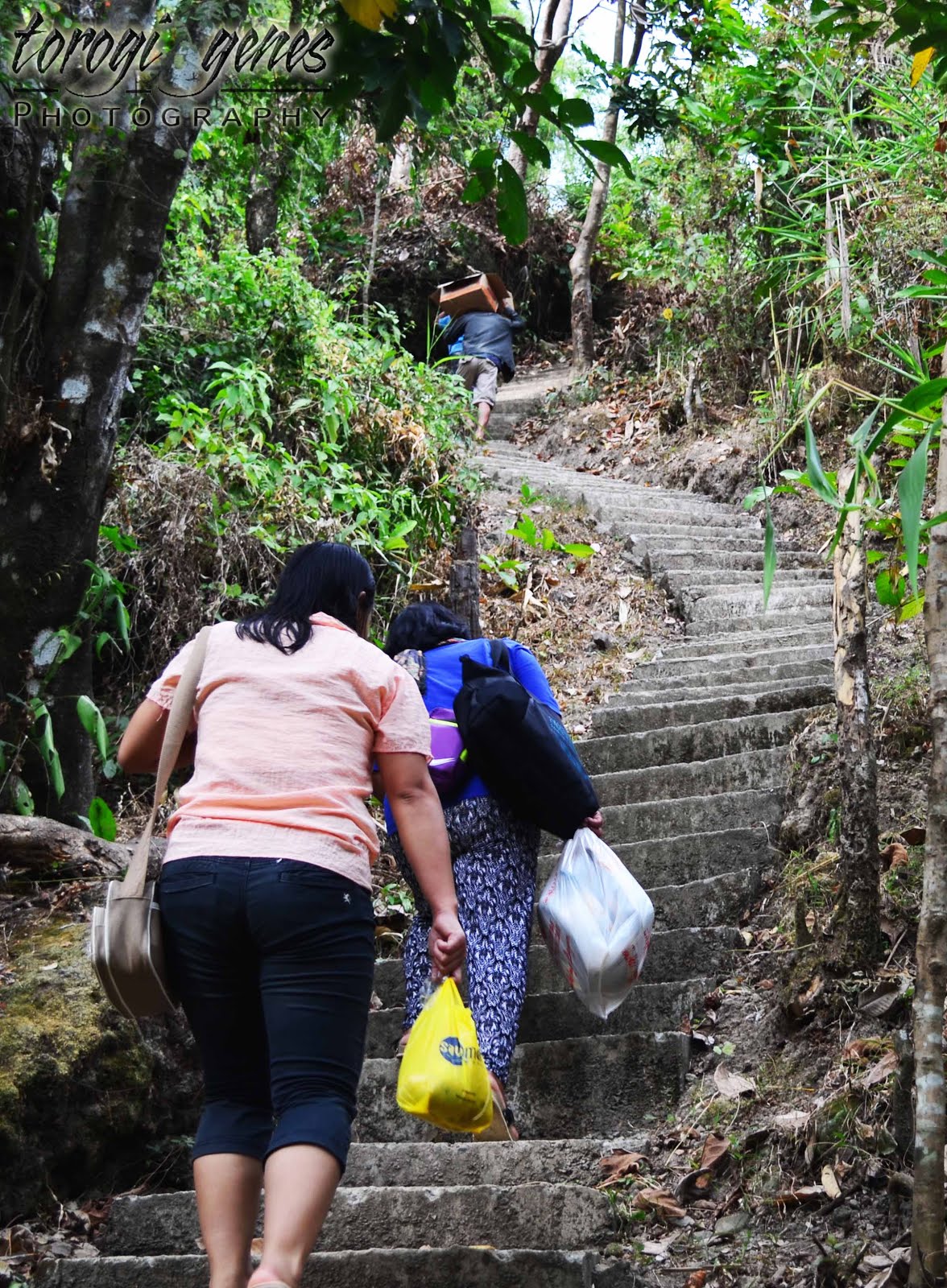
How to Get There: From Baguio City, take a jeepney bound to Tomay, Acop or Shilan. Drop at Benguet Memorial Services in Brgy. Cruz. The trail starts at the cemented road at the right side of this establishment.
 
Description
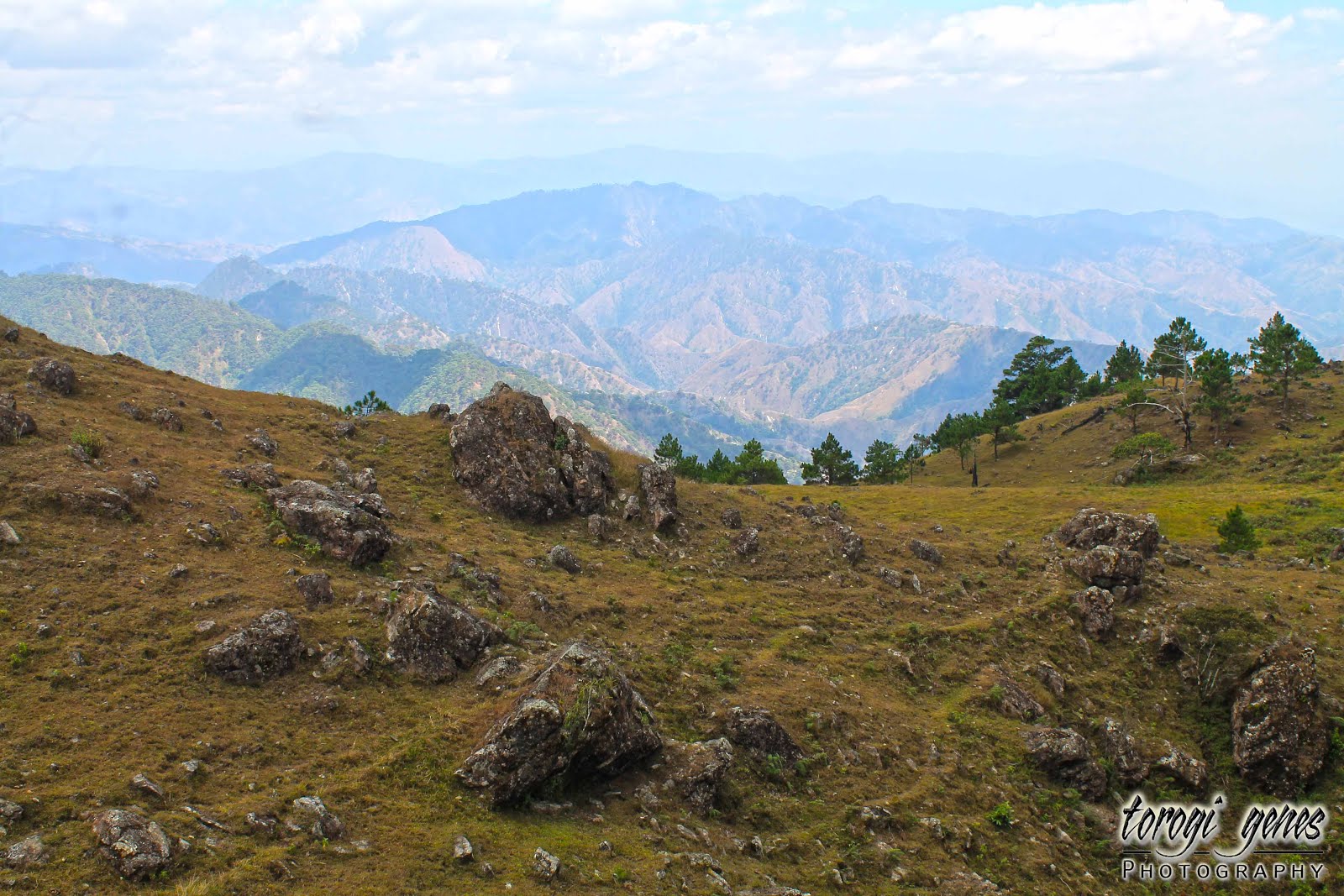
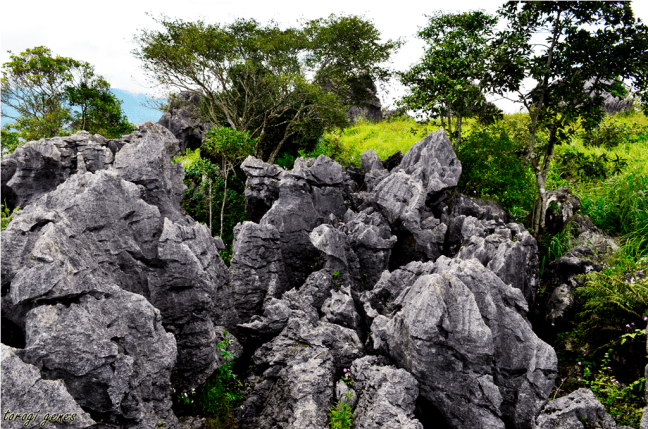
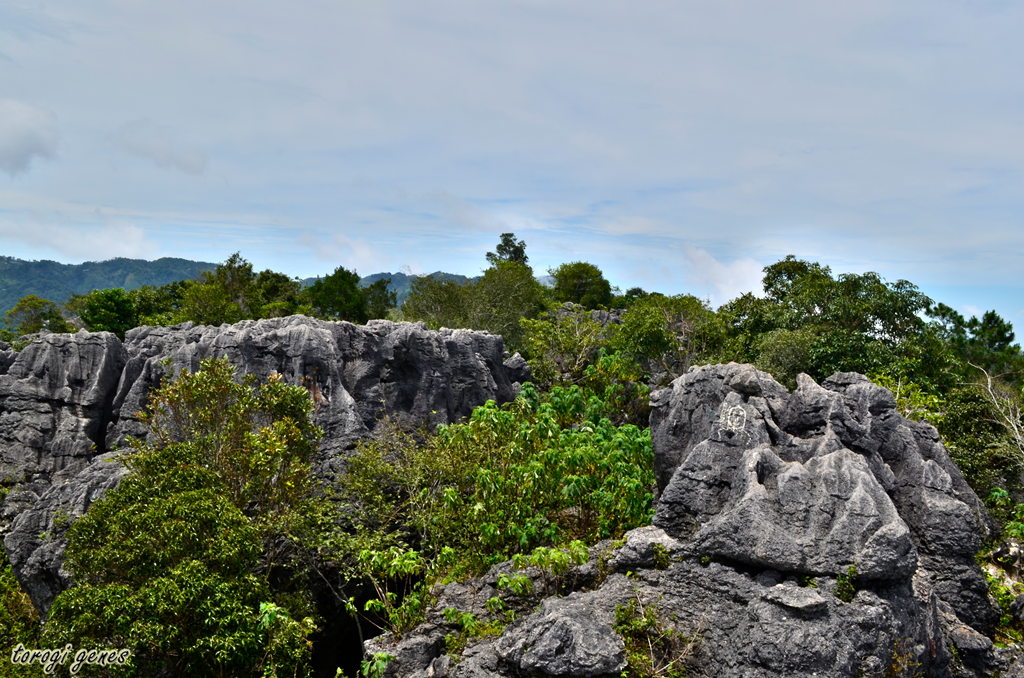
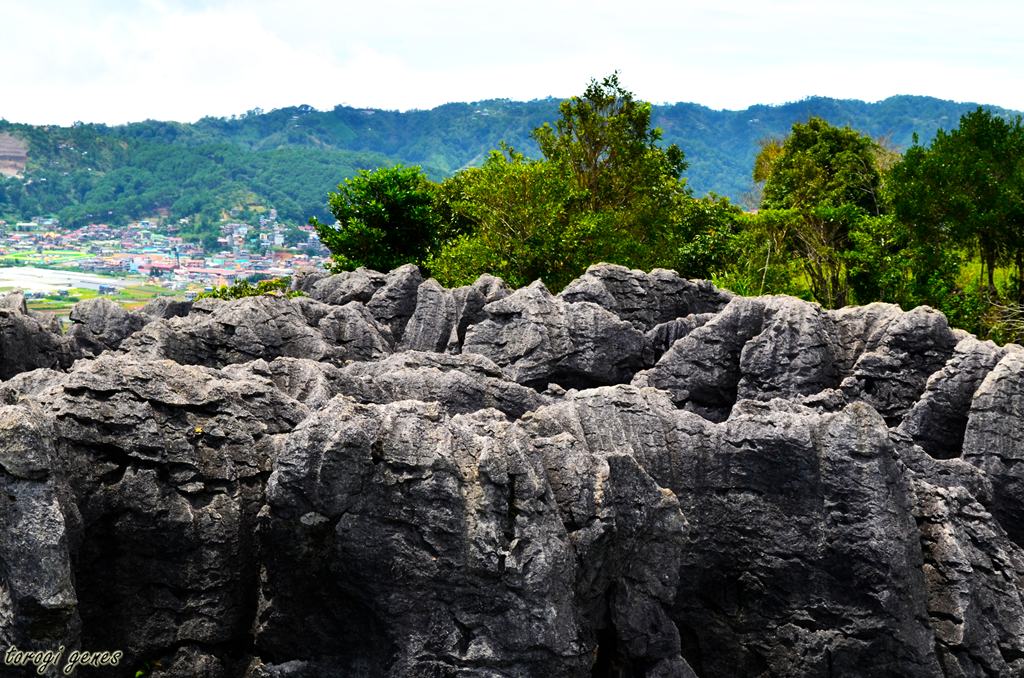
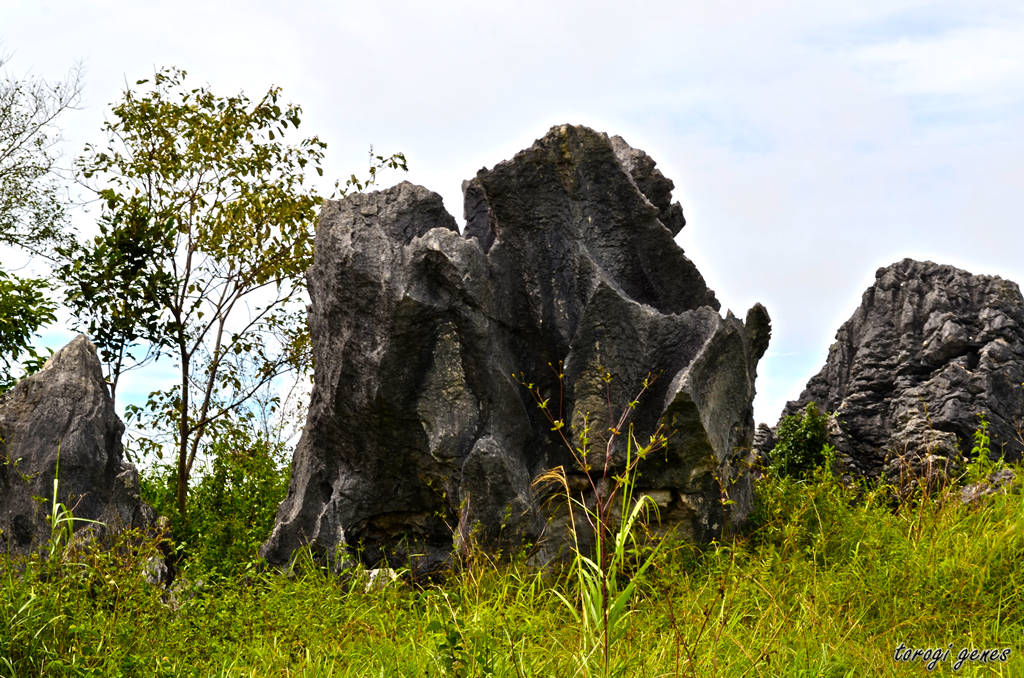
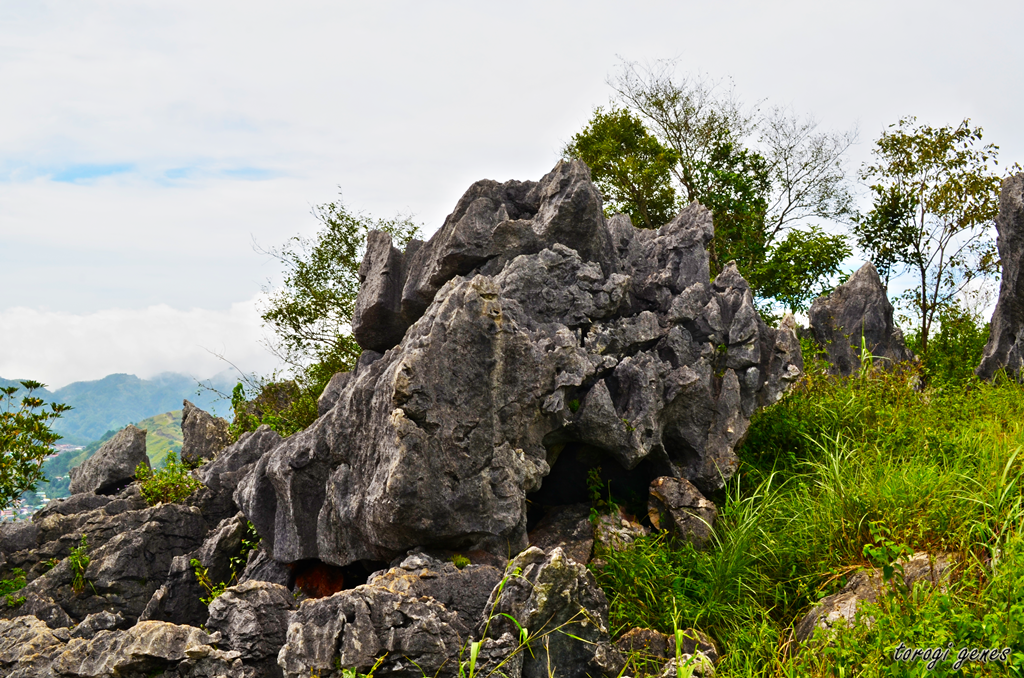
Of the mountains surrounding the salad bowl of the Philippines, Mt. Kalugong might be the most popular. There are three alluring reasons why this mountain is becoming more widely known. One, it offers a panoramic view of the whole valley and the pastureland and pine forests at the western portion of the municipality. Notable establishments seen from the mountain includes the whole stretch of Benguet State University, Benguet capitol building, La Trinidad municipal hall, strawberry fields, Bureau of Fisheries and Aquatic Resources fish ponds, and the Balili River snaking along three-kilometre stretch. Two, Mt. Kalugong offers a quiet place to relieve the stresses of the urban life. Currently, there are native huts, benches and tables, swing, and two ziplines erected in the conifer-covered area of the mountain. This environment is very pleasant to family or group picnics. Three, for the adventurous persons, Mt. Kalugong offers boulders upon boulders of limestones of different sizes and shapes.
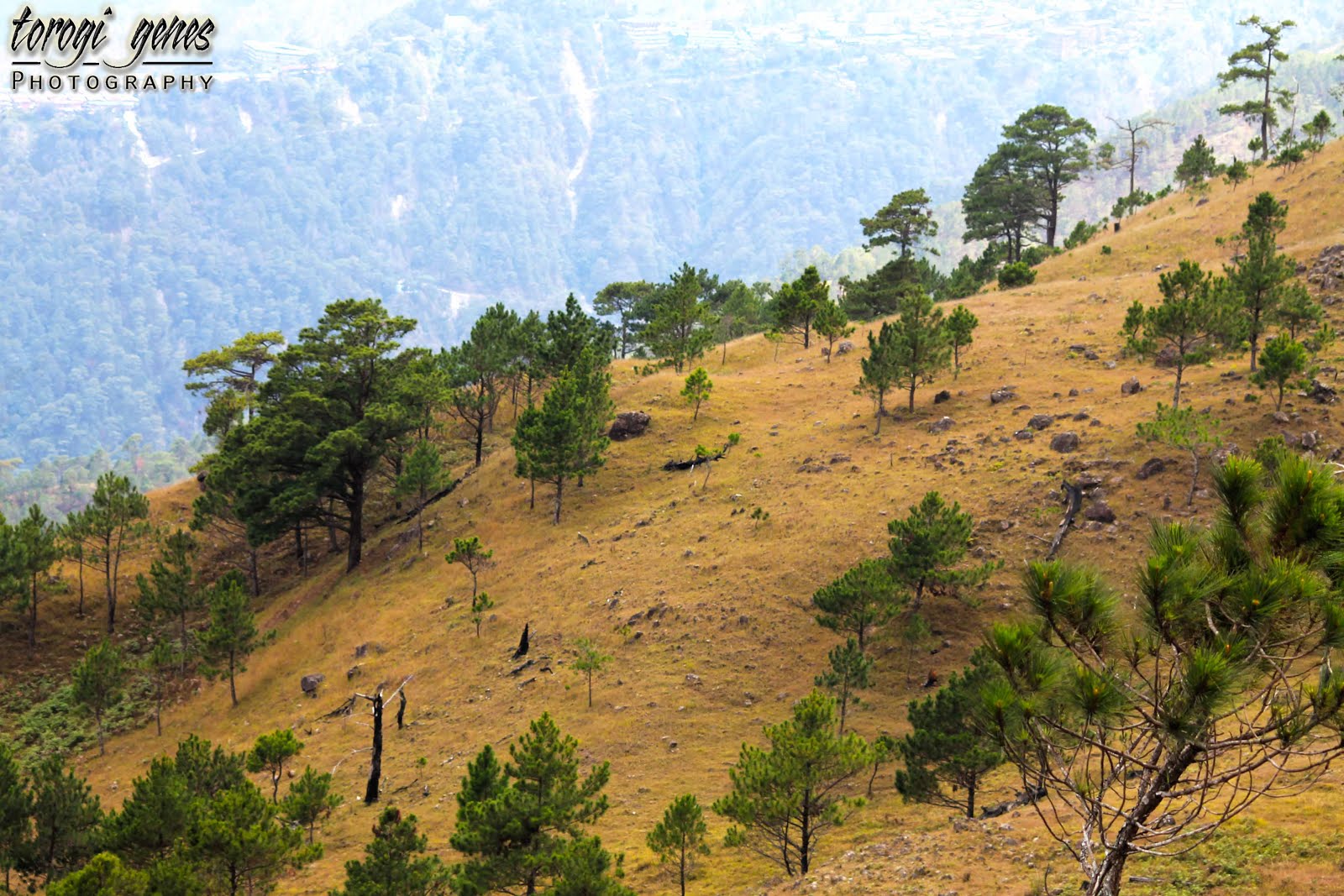
 
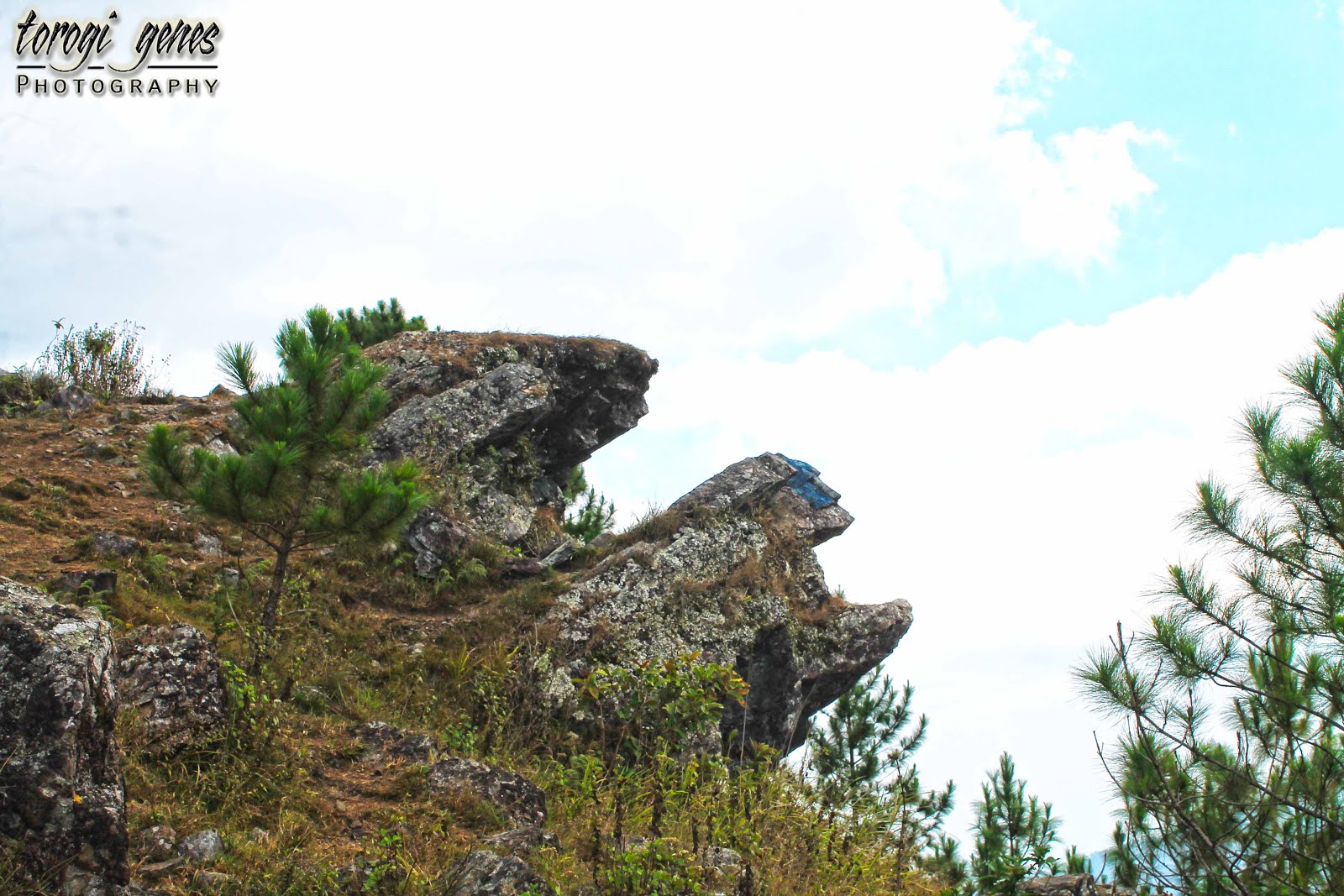
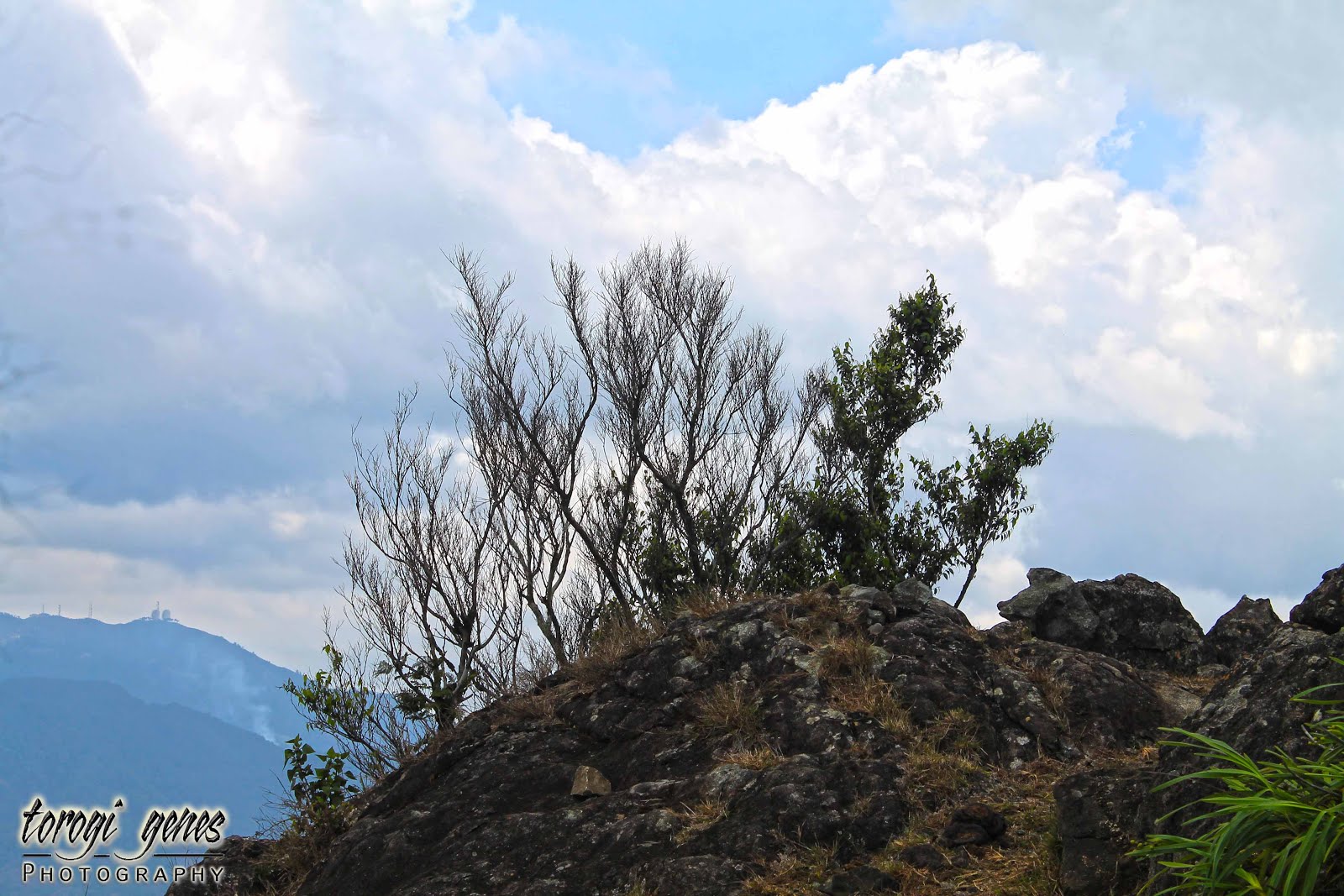
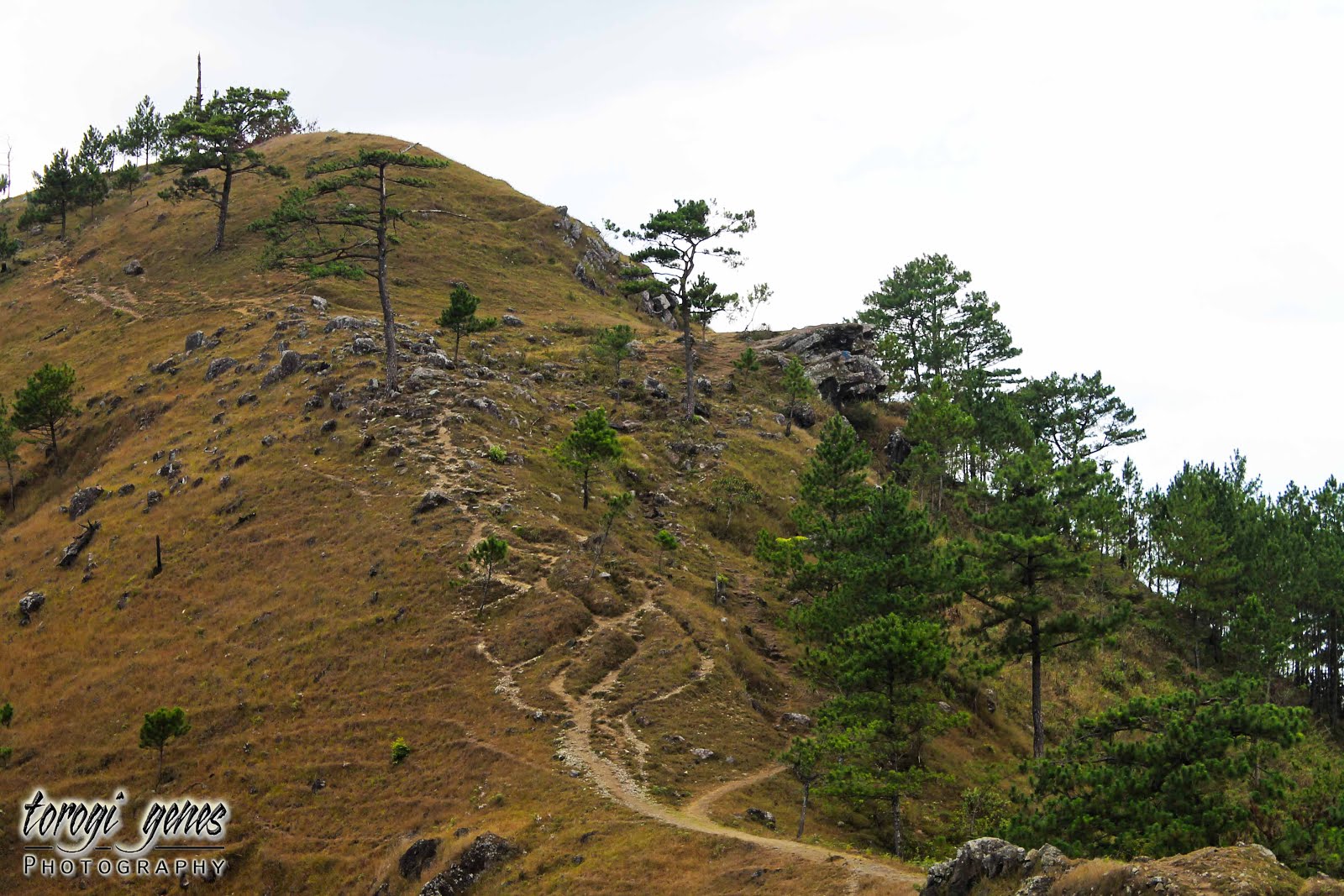
The name of Mt. Kalugong came from a local word which means “hat”. This name is coined from a stone boulder resembling a baseball hat at the southern portion of the mountain as seen from the eastern part of the valley. Before the place was developed as an ecological park, the rock formations had been drawing a lot of locals. The area where it is not covered with limestone was previously used as venue for 4×4 off-road car racing.
 
Reminders
·         The Tabangaoen trail is already closed since 2014.
·         Practice the Leave-No-Trace (LNT) principle when visiting the place.
·         Do not vandalize the stone formations.
 
Gallery
 
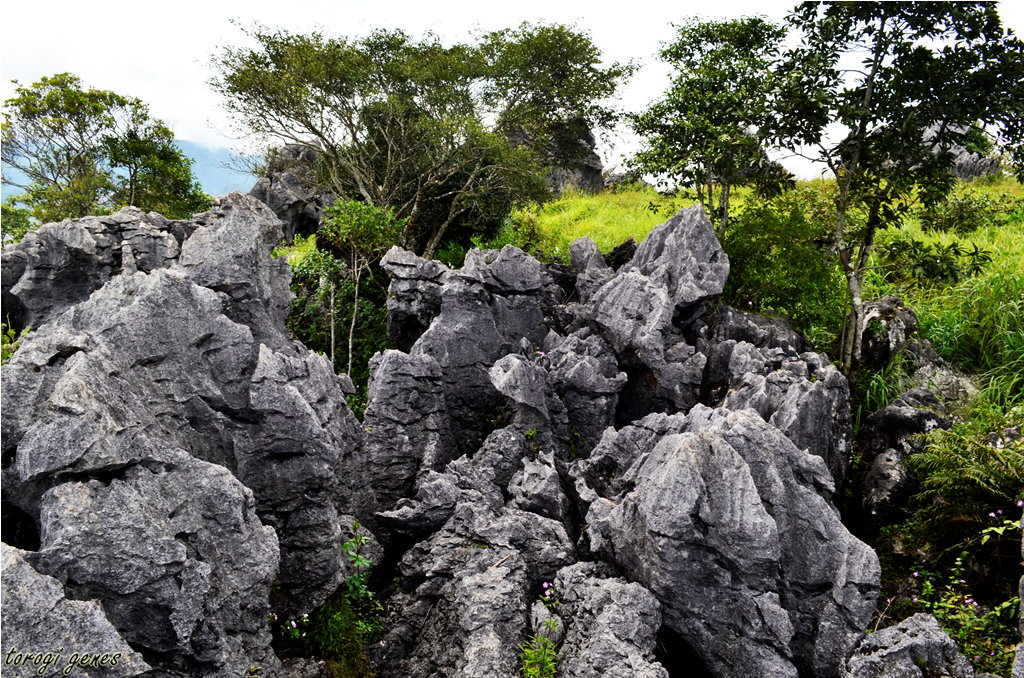
The limestone formations have always been the biggest asset of the place.
 
 
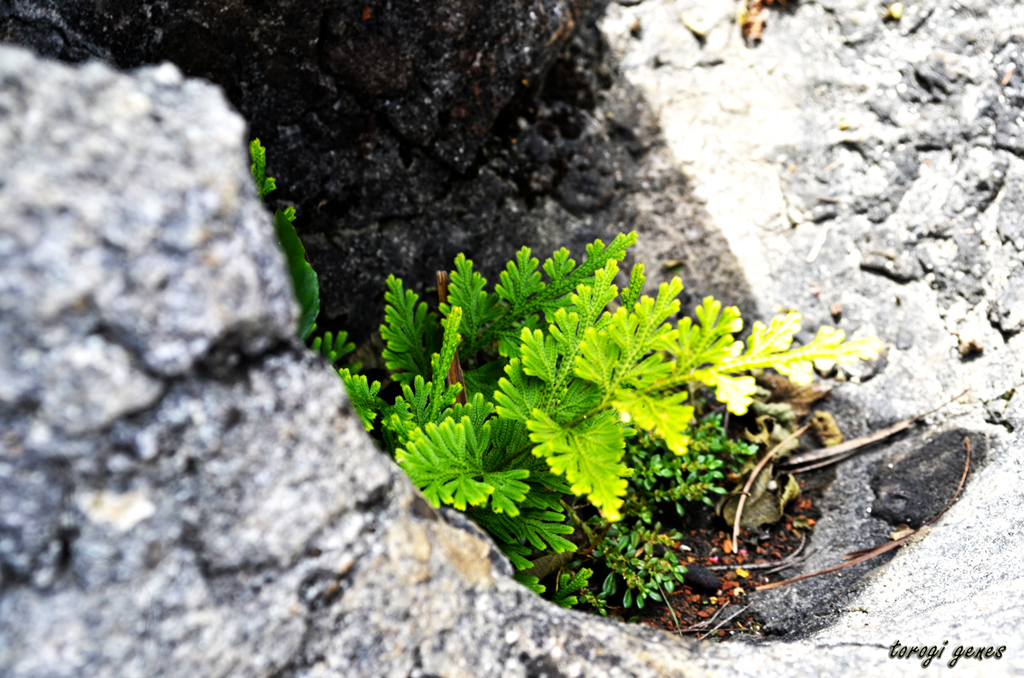
Plants growing at the crevices near the ground.

At the top of the mountain, the panoramic view of the valley can be seen. However, in order to see this you need to move further west.

Buburtak weeds are all over the place. With that being said, bees are also present during the blossoming season.

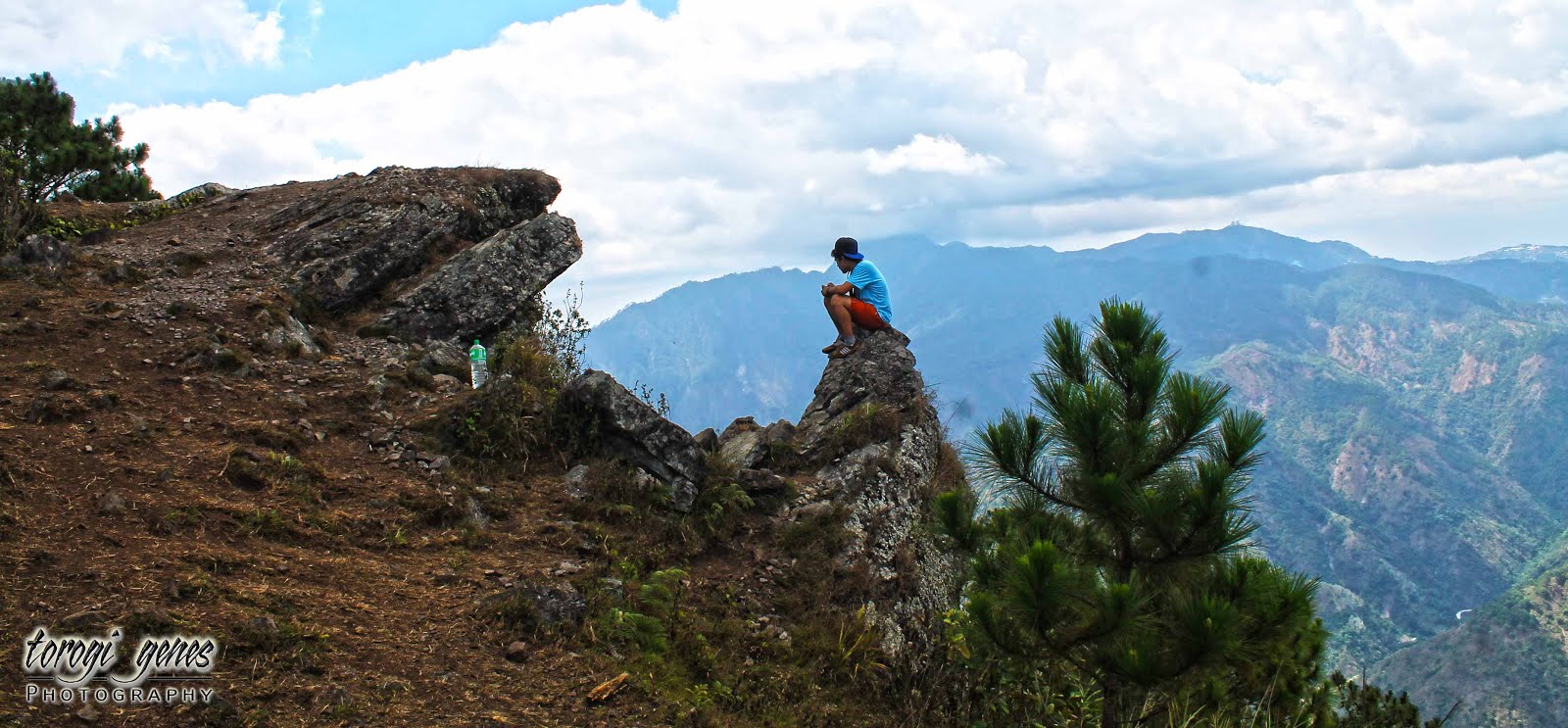
If you are afraid of heights, this is not your place. Wear clothes suited for climbing rocks upon rocks.

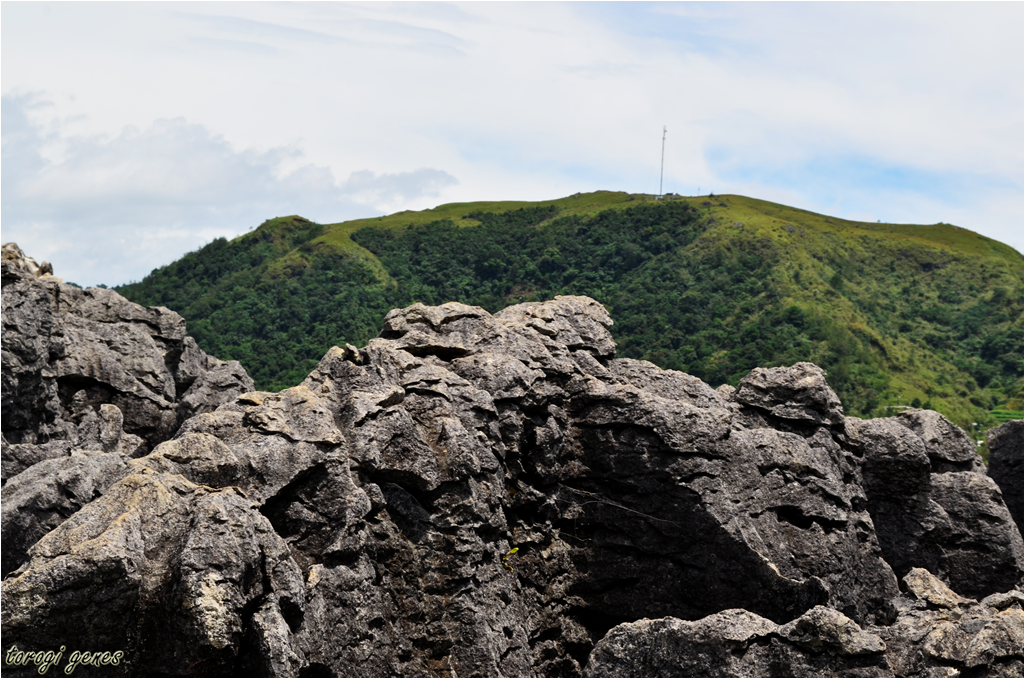
Mt. Jumbo can be seen towards the southeast horizon.

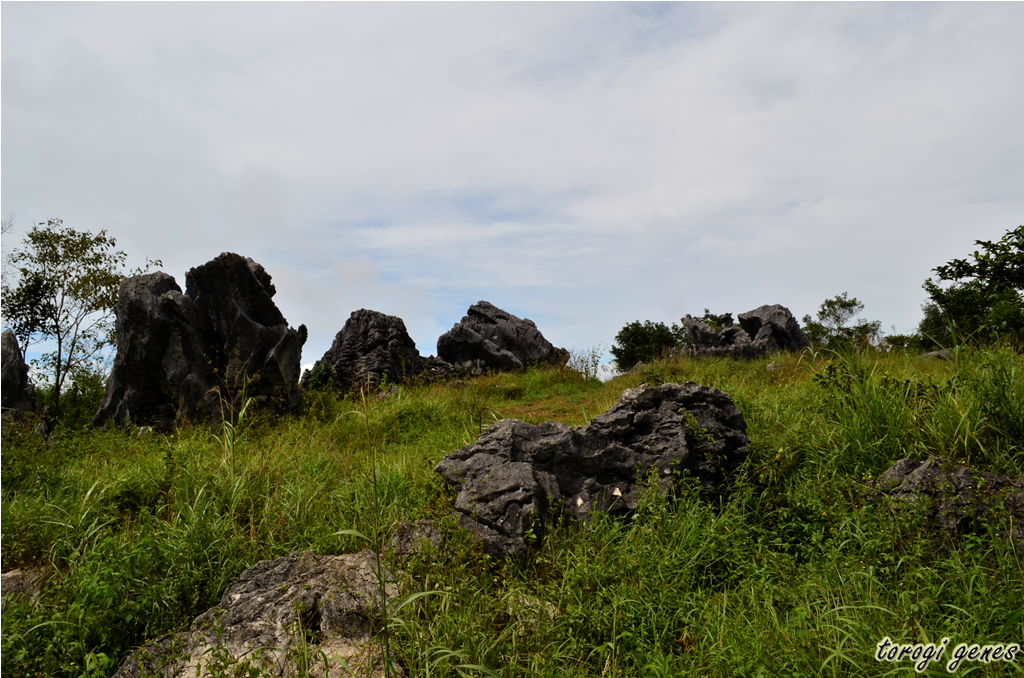
Its as if the rocks were strategically planted on the ground.


Note the size of the rock to the brush.

Don’t wander on the limestone area at the heat of the day. It will be hard finding a shaded area.

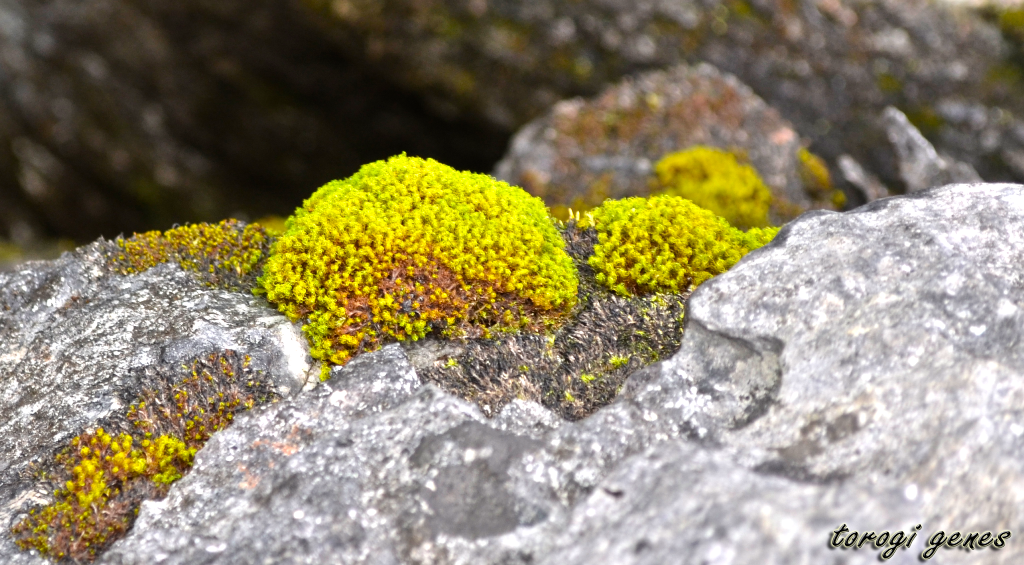
Lichens cover some surfaces of the stones. Be wary of them to avoid slipping.

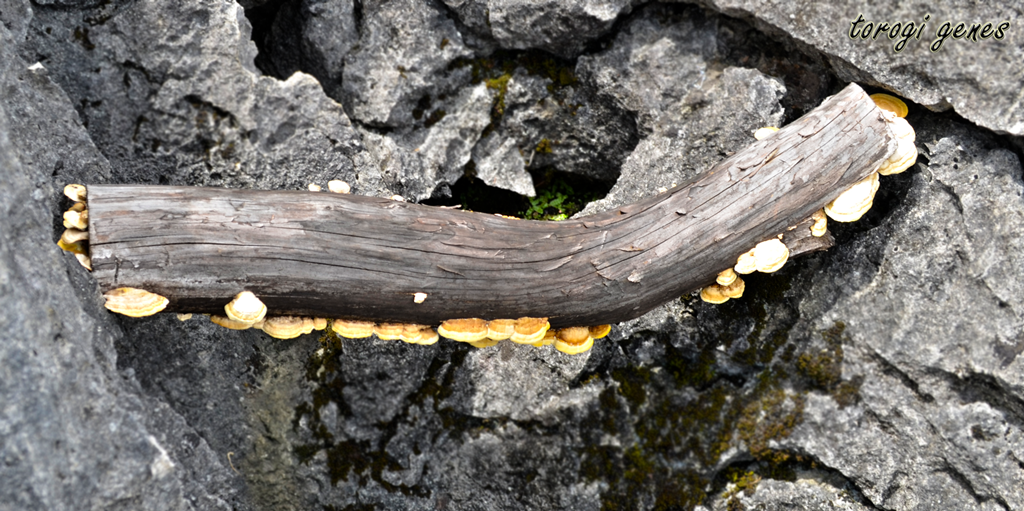
Mushrooms growing in a piece of wood wedged between stones.

This part reminds me of NatGeo shows. Its a perfect combination of rocks and greens.

 
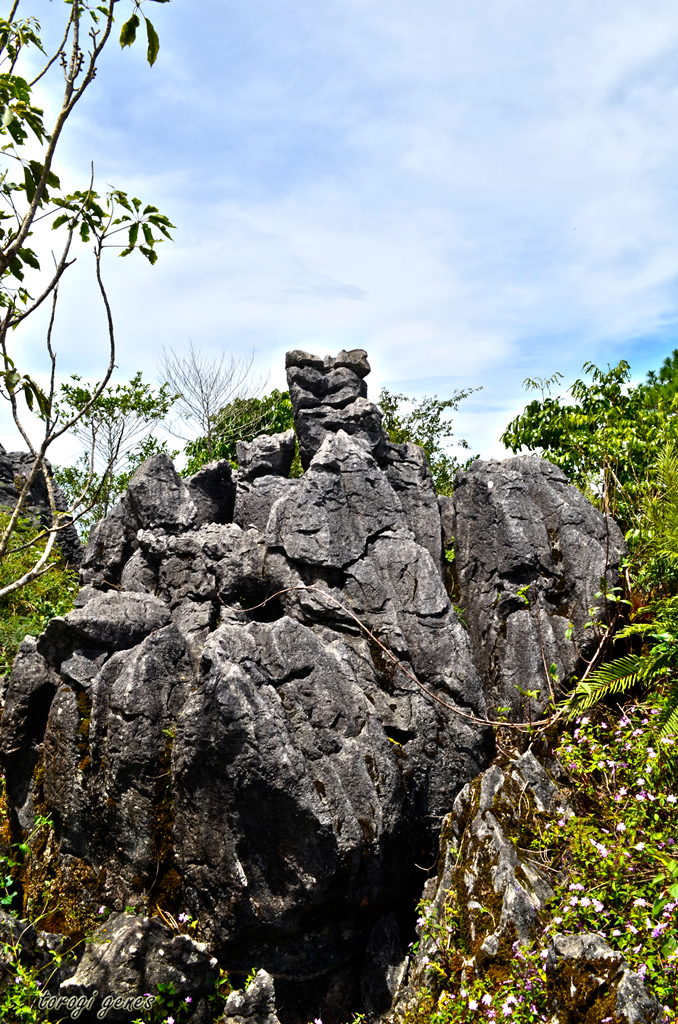
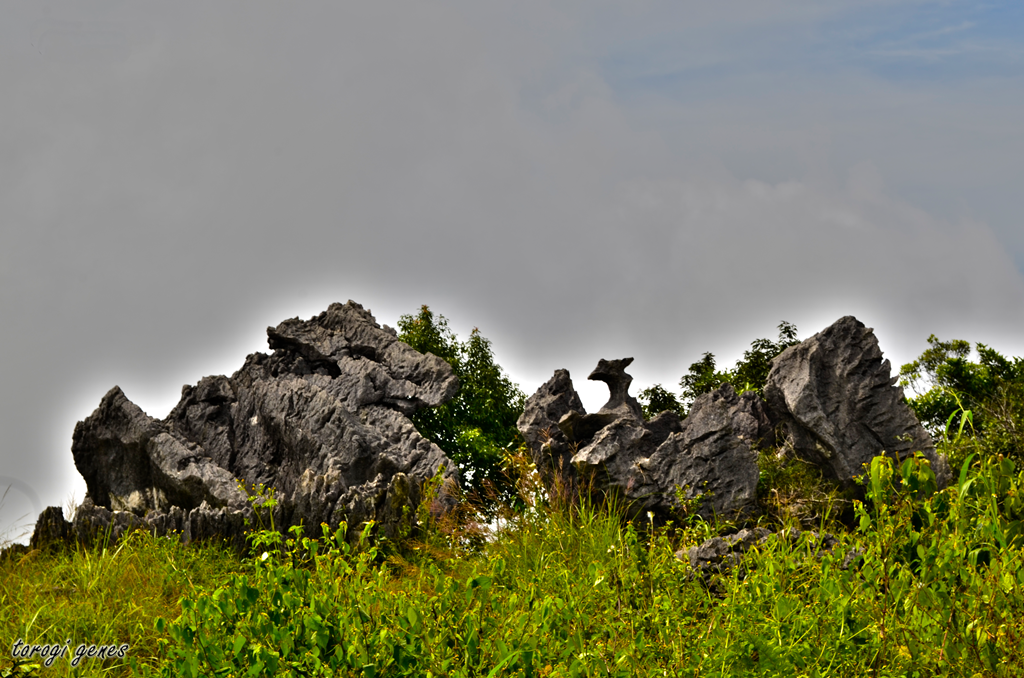
Spot the dragon.

Check the following video of Nomadic Highlander for more details: